Table of Contents
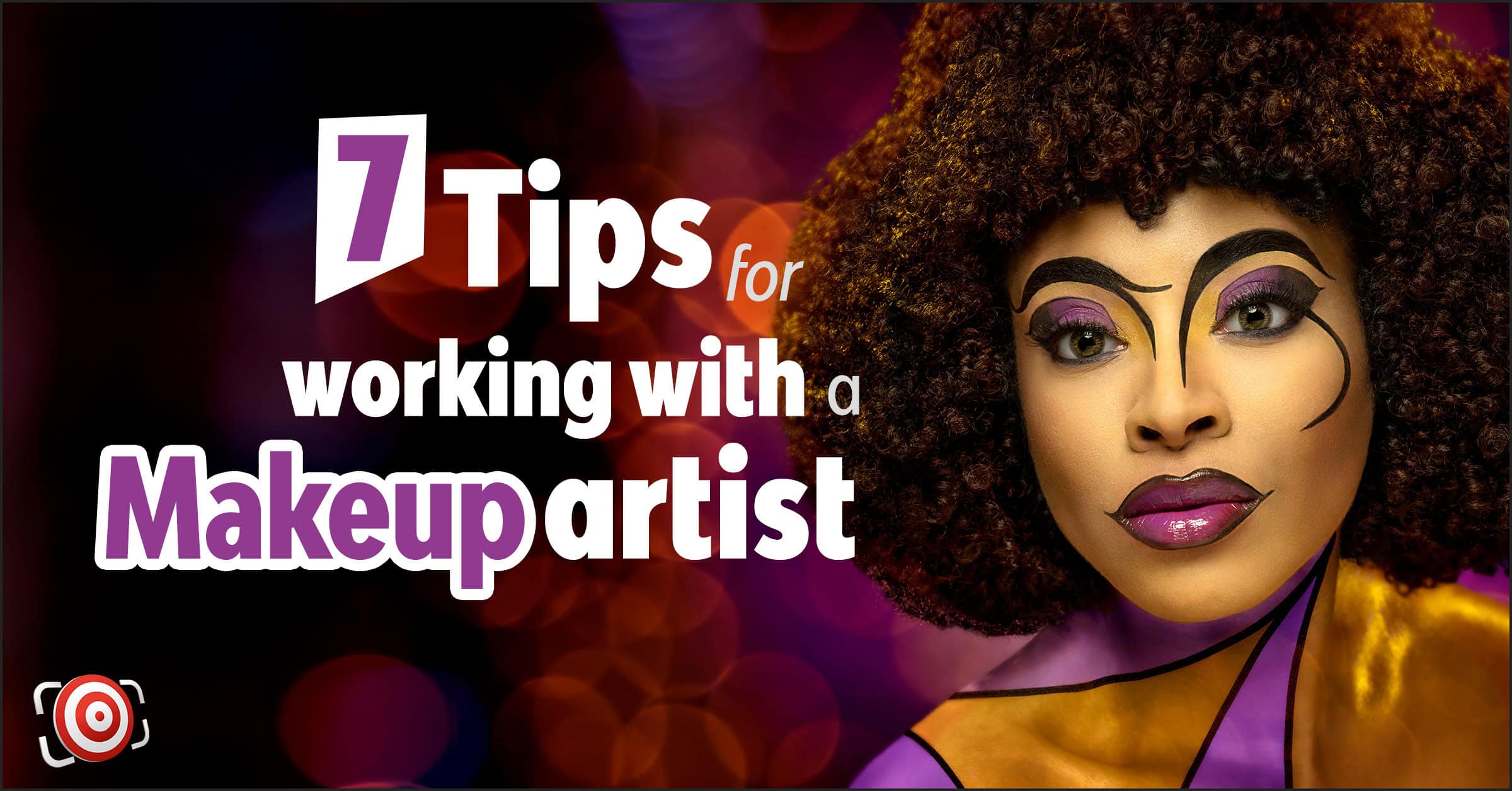
Working with a makeup artist (MUA) for the first time can feel intimidating, especially for new photographers. Many struggle with how to find one, communicate their ideas, or even understand how to collaborate effectively.
It’s completely normal to feel this way, but with the right approach, partnering with a makeup artist can take your work to the next level.
7 Most Important Things To Know
1. Not All Makeup Artists Are Created Equal
Just because someone has a website, Instagram, or Facebook page calling themselves a makeup artist doesn’t mean they are good at their craft.
How to Evaluate a Makeup Artist’s Work
- Look at their portfolio carefully. If their work looks bad—even if it’s partly due to poor photography—it’s a sign that their work may not improve in front of your camera.
- Pay attention to consistency. Are their looks clean and professional?
- Ask for references or feedback from other photographers they’ve worked with.
Pro Tip: Always prioritize quality over convenience. A great MUA can transform your shoot, while a poor one can hold it back.
2. One Makeup Artist Can’t Do It All
Much like photographers specialize in certain genres, makeup artists have their own strengths and limitations.
Common Types of Makeup Artists:
- Beauty MUAs: Experts at creating clean, natural looks.
- Creative/Editorial MUAs: Talented at bold, artistic styles.
- Special Effects (SFX) MUAs: Skilled at prosthetics, aging makeup, and effects.
You may need to build a roster of makeup artists for different types of shoots. A beauty MUA who excels at natural looks may struggle with avant-garde concepts, and vice versa.
3. Know What You Want and Communicate It
This is arguably the most important lesson on the list.
Why Communication is Key
New photographers often get frustrated when a makeup artist doesn’t deliver what they expected. The real problem? Poor communication.
What You Should Avoid:
- Vague directions like “Make them look good” or “Do your thing, I trust you.”
What to Do Instead:
- Clearly explain your vision. Use references like mood boards, sketches, or sample photos.
- Be honest if you don’t know what you want—collaborate with the MUA to develop a shared idea.
Example: “I want a clean beauty look with minimal contouring, soft tones, and a focus on natural skin.”
4. Build a Collaborative Relationship
Working with a new makeup artist is like starting any professional relationship: it takes time to develop trust and understanding. The ability to collaborate is a key component of creativity.
Tips for Building a Strong Relationship:
- Be patient during the first few shoots. Both of you are learning how the other works.
- Give constructive feedback and communicate what you loved or want adjusted.
- Over time, you’ll build a rhythm—where a few words can convey entire ideas.
Example: One of my favorite MUAs and I have worked together for over 15 years. Now, four words between us are like four paragraphs because we’ve developed that level of understanding.
5. Plan Ahead to Avoid Failure
Planning is everything—both for you and the makeup artist.
Why Planning is Crucial
If you change your mind mid-shoot, you can set the MUA up for failure. For instance:
- Starting with heavy contour and later requesting a clean beauty look is nearly impossible to fix on set.
How to Plan:
- Discuss your shoot concept with the makeup artist at least a day or more in advance.
- Share your ideas, mood boards, and any specific requirements.
Pro Tip: Clear communication before the shoot saves time, avoids stress, and ensures everyone is on the same page.
6. Help Your Makeup Artist Build Their Portfolio
Makeup artists put significant effort into their craft, and it’s important to support them in return.
Why Close-Ups Matter
Many photographers shoot models from head to toe, which often hides the details of the MUA’s hard work. Even if you don’t need close-ups, take a few well-composed shots that showcase the makeup.
Benefits of Helping Their Portfolio:
- MUAs will appreciate you respecting their work.
- They’ll be more inclined to go the extra mile for you in future collaborations.
Quick Tip: Set aside a few minutes during your shoot for close-ups that highlight the makeup artistry.
7. Reward Your Makeup Artist Fairly
Makeup artists deserve compensation for their time, talent, and materials.
Options for Compensation:
- Paid Work: This is ideal. Professionals deserve to be paid, and many MUAs won’t work for free.
- Portfolio Trade: If a makeup artist is new and building their book, trades are fine—but make sure your images are valuable to their portfolio.
- Kit Fee: Even for unpaid shoots, offer a small fee to cover makeup materials like foundation, lashes, and sprays—they’re not cheap and can’t be reused.
Remember:
Your camera gear is reusable, but their materials are not. Even offering a little for gas or supplies shows respect for their work and helps build a better working relationship.
Pre-Shoot Checklist: Working with a Makeup Artist
Here’s a quick checklist to help ensure a successful collaboration:
- Research and Select the Right MUA:
- Review their portfolio and ensure they align with your project goals.
- Communicate Your Vision:
- Share mood boards, references, and specific directions.
- Schedule a Pre-Shoot Call/Meeting:
- Discuss the concept, timeline, and required tools.
- Confirm how long makeup will take before the shoot starts.
- Coordinate the Look with Wardrobe/Lighting:
- Ensure the makeup style complements the clothing and your lighting setup.
- Set Expectations for Shots:
- Clarify if close-up shots are required for their portfolio.
- Discuss Compensation:
- Decide on payment, portfolio trade, or a kit fee before the shoot.
- Bring Essentials on Set:
- Don’t assume the makeup artist will bring everything you need. Plan ahead and be sure that they are bringing any supplies that are needed unless you intend to provide them.
The LAST Frame: Final Thoughts
Working with a makeup artist can elevate your work and add a layer of professionalism to your photos. Don’t be intimidated—communication, planning, and respect are the keys to success.
If you’re still unsure, check out my video on 6 Reasons to Work With a Makeup Artist or watch my beauty photography video for real examples of what a great MUA can bring to your shoot.
I hope you found this information useful. Now go pick up that camera and shoot something! Because – “Your BEST shot is your NEXT shot!” — Joe Edelman