Arnold Newman [1918 – 2006] was an influential American photographer renowned for his environmental portraits of artists and public figures.
Born in New York City, Newman studied painting and drawing before turning to photography during the Great Depression.
His innovative style, which captured subjects in their personal or professional surroundings, sought to reveal deeper insights into their character and life. Among his most famous portraits are those of Igor Stravinsky, Pablo Picasso, and Alfred Krupp.
Newman’s work graced the pages of major publications such as Life and Harper’s Bazaar, and he became a sought-after portraitist for celebrities and world leaders.
His approach profoundly influenced portrait photography, blending art with journalism and creating a lasting legacy.
Read the full Biography below.
Photography Quotes From Arnold Newman
📸 Did you know?
Arnold Newman is often considered the father of “environmental portraiture,” a style in which the subject is photographed in their usual surroundings to provide context and insight into their lives and work. His iconic portraits of artists and political figures often included their workspaces or tools of their trade.
Videos about Arnold Newman
📸 Did you know?
Newman captured one of the most famous portraits of composer Igor Stravinsky, where the piano lid creates a strong graphical element, almost overshadowing the subject. This portrait became a defining example of his ability to blend composition and context seamlessly.
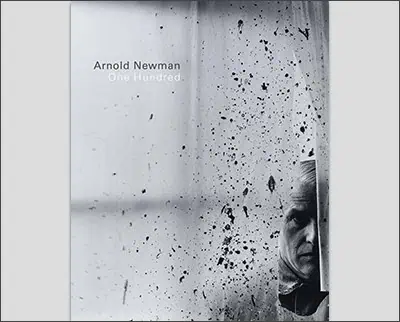
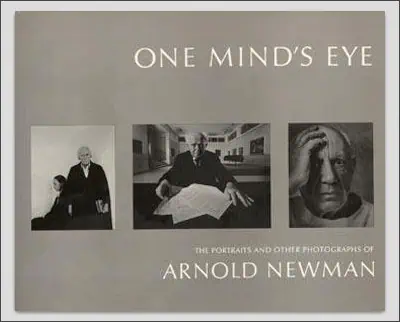
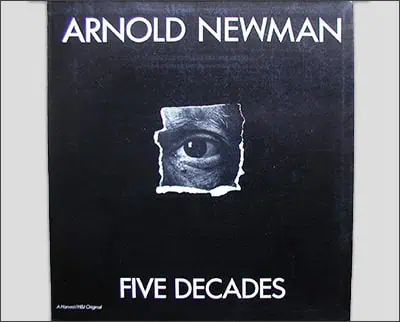
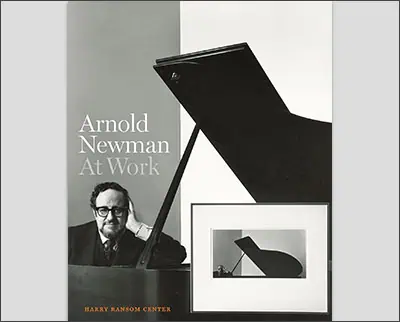
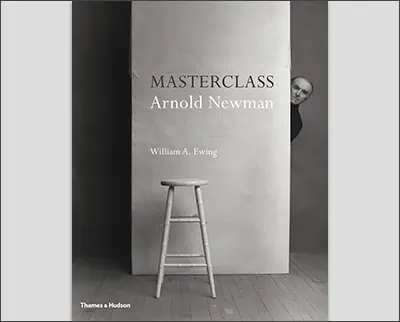
Photography Books: Arnold Newman
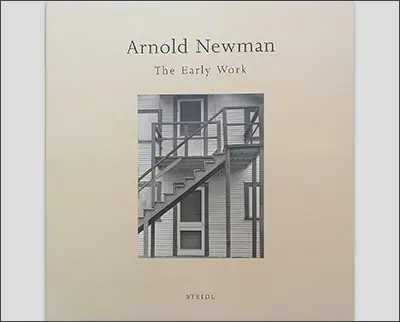
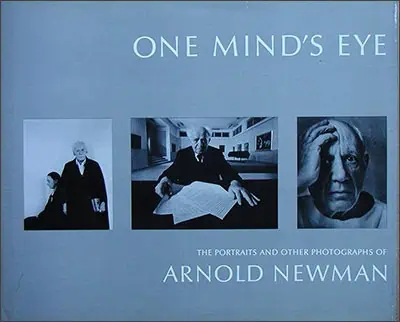
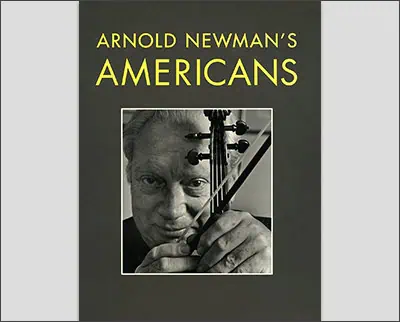
📸 Did you know?
Despite his later success, Newman initially struggled to find his place in photography and was once fired from a portrait studio job for being “unimaginative.” It was only after this setback that he began experimenting with his distinctive style of environmental portraiture.
Biography of Arnold Newman
Early Life and Introduction to Photography
Arnold Abner Newman was born on March 3, 1918, in New York City. He grew up in a Jewish family that moved to Atlantic City, New Jersey, and later to Miami Beach, Florida, where they ran a hotel.
His early interest in art was encouraged by his mother, who was a painter. Newman originally pursued painting and drawing, but his career path took a significant turn when he discovered photography during his studies at the University of Miami from 1936 to 1938.
Newman’s introduction to photography came out of necessity during the Great Depression when he had to leave college due to financial constraints. He took a job at a portrait studio in Philadelphia, where he began to develop his skills and style as a photographer.
This period was formative, providing him with technical training and experience in portraiture that would later define his career.
Early Career and Development of Environmental Portraiture
In 1941, Newman returned to Florida and opened his own portrait studio in West Palm Beach.
During this time, he started experimenting with what would become his signature style—environmental portraiture.
Unlike traditional portraits that focused solely on the subject’s face, Newman’s environmental portraits included elements of the subject’s surroundings, providing context and deeper insight into their lives and work.
His approach was influenced by his early studies in painting and his interest in the works of contemporary photographers like Alfred Stieglitz and Edward Weston.
Newman’s ability to blend fine art with commercial photography caught the attention of influential figures in the art world.
Move to New York and Rising Fame
In 1945, Newman moved back to New York City, where he began working for Harper’s Bazaar, Life, Look, Newsweek, and other major publications.
His innovative style quickly gained recognition, and he became known for his portraits of famous artists, musicians, writers, and politicians.
Newman’s work stood out for its ability to capture the essence of his subjects within their personal or professional environments, making his portraits both visually compelling and deeply revealing.
One of Newman’s most iconic works is his 1946 portrait of Igor Stravinsky. The photograph features the composer seated at a grand piano, with the piano lid forming a stark, angular shadow that dominates the composition.
This image exemplified Newman’s ability to use the environment to add layers of meaning and context to his portraits, and it became one of the most celebrated images in 20th-century photography.
Notable Subjects and Major Projects
Throughout his career, Newman photographed a wide array of notable figures, including Pablo Picasso, Georgia O’Keeffe, Salvador Dalí, Marilyn Monroe, and John F. Kennedy.
His portraits are characterized by their meticulous composition and thoughtful integration of background elements that speak to the subject’s identity and achievements.
In addition to his portraits, Newman also worked on various commercial and editorial projects. He contributed to major advertising campaigns and created memorable covers for magazines.
His ability to balance artistic integrity with commercial demands made him a sought-after photographer in both fields.
Teaching and Influence
Newman was also a dedicated educator and mentor. He taught photography at institutions such as Cooper Union, the University of Miami, and the School of Visual Arts in New York.
His teaching emphasized the importance of understanding the subject and their environment, encouraging students to look beyond the surface to capture deeper narratives in their work.
Newman’s influence extends beyond his own photographs; he inspired countless photographers to explore the possibilities of environmental portraiture.
His work demonstrated that a portrait could be more than a simple likeness, showing how context and composition could convey profound insights into the subject’s character and life.
Exhibitions and Recognition
Newman’s work has been exhibited in major museums and galleries worldwide, including the Museum of Modern Art in New York, the Metropolitan Museum of Art, and the National Gallery of Art in Washington, D.C.
He received numerous awards and honors throughout his career, including the American Society of Media Photographers’ Honor Roll Award and the Lucie Award for Outstanding Achievement in Portrait Photography.
Later Years and Legacy
In his later years, Newman continued to work actively, photographing and exhibiting his work until his death. He remained passionate about his craft and continued to influence the field of photography through his innovative approach and dedication to his art.
Arnold Newman passed away on June 6, 2006, in New York City, leaving behind a legacy that has profoundly impacted portrait photography.
His environmental portraits revolutionized the genre, showing that a subject’s surroundings could be an integral part of their portrayal.
Conclusion
Arnold Newman’s career is a testament to the transformative power of environmental portraiture.
Through his innovative use of context and composition, he created portraits that went beyond mere representation to capture the essence of his subjects. His ability to blend fine art with commercial photography set new standards in the field and inspired future generations of photographers.
Newman’s work continues to be celebrated for its artistic depth and its ability to reveal the stories behind the faces, making him one of the most important photographers of the 20th century.