

Bill Brandt
View images by: Bill Brandt
Bill Brandt [1904-1983] was a seminal British photographer renowned for his influential work in portraiture, landscapes, and social documentation.
Born in Hamburg, Germany, Brandt moved to England in the 1930s, where he began documenting British life with a keen eye for social disparity and atmospheric landscapes.
His early work, inspired by the surrealist movement, explored the hardships of the working class during the Great Depression.
Brandt’s portraits of literary and artistic figures, as well as his evocative nudes and starkly contrasted landscapes, showcased his mastery of light and composition.
His books, including “The English at Home” and “A Night in London,” are considered classics.
Brandt’s innovative approach and diverse body of work have left a lasting impact on the field of photography, making him a pivotal figure in 20th-century visual arts.
Read the full Biography below.
Photography Quotes From Bill Brandt



📸 Did you know?
Bill Brandt began his photography career as an assistant to the renowned artist and photographer Man Ray in Paris during the 1920s. This experience had a profound influence on his later work, particularly in his use of surrealistic elements.
Videos about Bill Brandt
📸 Did you know?
Brandt is renowned for his evocative landscapes and nudes, particularly his high-contrast, distorted nudes taken with a wide-angle lens. These images, often shot on beaches and rocky coastlines, are celebrated for their abstract and sculptural qualities.
Photography Books: Bill Brandt
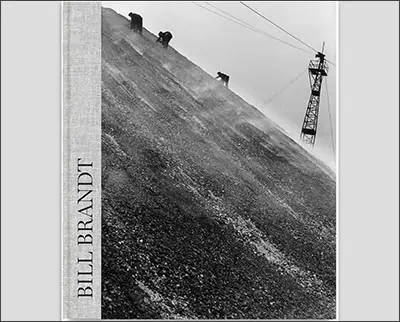
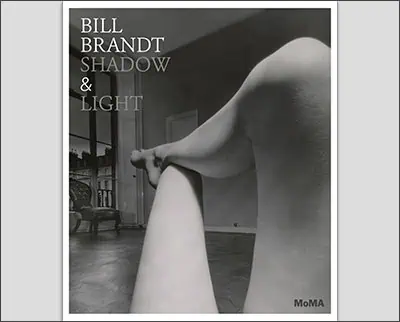
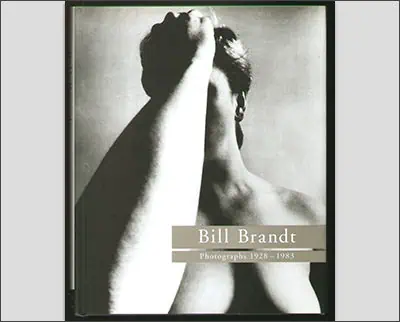

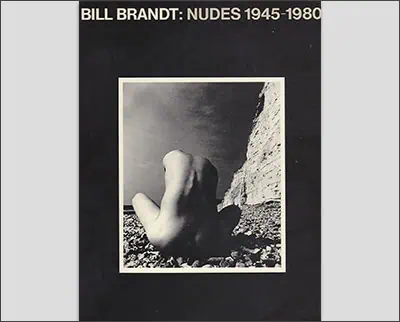
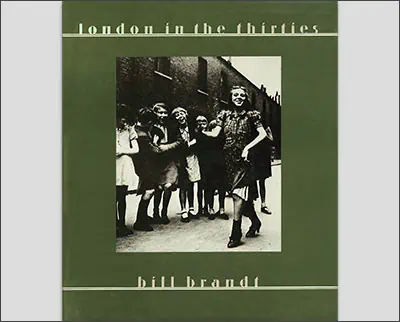
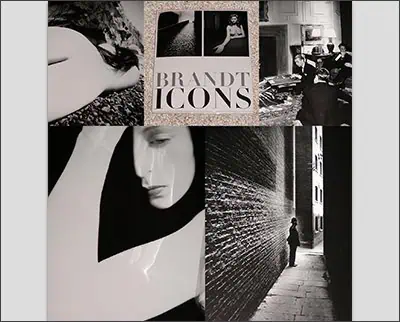
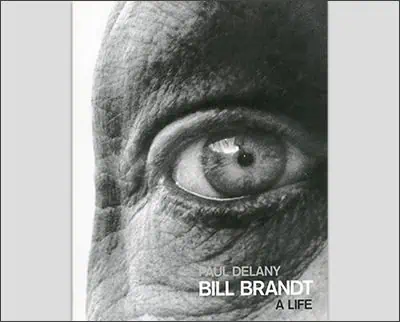
📸 Did you know?
During World War II, Brandt was commissioned by the British government to document life on the home front. His poignant images of London during the Blitz, featuring bomb shelters and blackout conditions, provided a powerful record of the civilian experience of the war.
Biography of Bill Brandt
Early Life and Introduction to Photography
Bill Brandt, born Hermann Wilhelm Brandt on May 3, 1904, in Hamburg, Germany, was the son of a British father and a German mother.
His early years were marked by the tumultuous political climate of post-World War I Germany and the impact of his family’s dual heritage.
Brandt suffered from tuberculosis as a young man, which necessitated a lengthy stay in a sanatorium in Davos, Switzerland.
During his convalescence, he became interested in the arts, particularly literature and painting, which later influenced his photographic style.
Paris and the Influence of Man Ray
In 1929, Brandt moved to Paris, a vibrant center of avant-garde art and culture. There, he worked as an assistant to the surrealist photographer and artist Man Ray.
This apprenticeship had a profound impact on Brandt, exposing him to experimental techniques and the surrealist ethos.
Man Ray’s influence is evident in Brandt’s later work, particularly in his use of unconventional angles, dramatic contrasts, and the exploration of the uncanny.
Move to London and Early Career
In 1933, Brandt moved to London, where he began documenting British society. His early work focused on the stark contrasts between different social classes, capturing the lives of the wealthy and the impoverished with equal sensitivity.
His first book, The English at Home (1936), featured images of both the affluent and the working-class, providing a comprehensive and unflinching look at British life.
Brandt also began working for Lilliput and Picture Post, two influential British magazines during this period.
His assignments took him across the country, where he documented the everyday lives of the British people with a humanistic and empathetic eye.
His ability to capture the essence of his subjects, combined with his innovative compositions, quickly established him as one of the leading photographers of his time.
War Work and Camera in London
The outbreak of World War II marked a significant phase in Brandt’s career.
The British government commissioned him to document life on the home front. His photographs from this period, later compiled in the book Camera in London (1948), depict the resilience and determination of the British people during the war.
Brandt’s images of bomb shelters, blackout curtains, and war-torn streets are powerful testaments to the era’s hardships and the spirit of endurance.
Post-War Career and Transition to Fine Art Photography
After the war, Brandt’s work began to shift from documentary to more artistic and experimental photography.
He became increasingly interested in exploring the abstract and surreal qualities of the medium. This transition is most evident in his series of nudes, landscapes, and portraits, which he began to develop in the 1950s.
Brandt’s nudes, published in Perspective of Nudes (1961), are characterized by their bold compositions and striking use of light and shadow.
Shot with a wide-angle lens and often distorted, these images present the human body in an almost sculptural form, blending elements of surrealism and abstraction.
His landscapes, too, reflect a similar approach, with dramatic contrasts and unconventional perspectives that transform familiar scenes into eerie, otherworldly vistas.
Portraits and Later Work
In addition to his nudes and landscapes, Brandt is renowned for his portrait photography.
He captured some of the most iconic figures of his time, including artists, writers, and intellectuals.
His portraits are notable for their psychological depth and striking compositions, often employing stark lighting and shadow to emphasize the subject’s character and mood.
Brandt’s later work continued to push the boundaries of photographic art. He experimented with different techniques and styles, always seeking to explore new ways of seeing and interpreting the world.
His commitment to innovation and his ability to blend documentary realism with artistic vision cemented his place as a pioneer in the field.
Exhibitions and Recognition
Brandt’s work has been exhibited extensively in major galleries and museums worldwide, including the Museum of Modern Art in New York, the Victoria and Albert Museum in London, and the Bibliothèque nationale de France in Paris.
His contributions to photography have been widely recognized, and he received numerous awards and honors throughout his career.
In 1978, Brandt was appointed Commander of the Order of the British Empire (CBE) for his services to photography.
His work continues to be celebrated and studied, reflecting his enduring impact on the art of photography.
Legacy and Influence
Bill Brandt’s legacy lies in his ability to transcend the boundaries between documentary and fine art photography.
His innovative use of light, shadow, and perspective, combined with his deep empathy for his subjects, has left a lasting mark on the field.
Brandt’s work continues to inspire photographers and artists, challenging them to see the world in new and imaginative ways.
His exploration of the surreal and the abstract, along with his commitment to capturing the human condition, has made Brandt one of the most influential photographers of the 20th century.
His images remain powerful and relevant, offering timeless insights into both the external world and the inner landscapes of the human psyche.
Conclusion
Bill Brandt’s career is a testament to the power of photography to reveal the complexities of society and the depths of the human experience.
Through his innovative techniques and artistic vision, he created a body of work that is both profoundly human and strikingly abstract.
Brandt’s legacy as a pioneer of modern photography continues to influence and inspire, ensuring that his contributions to the art form will be remembered and celebrated for generations to come.