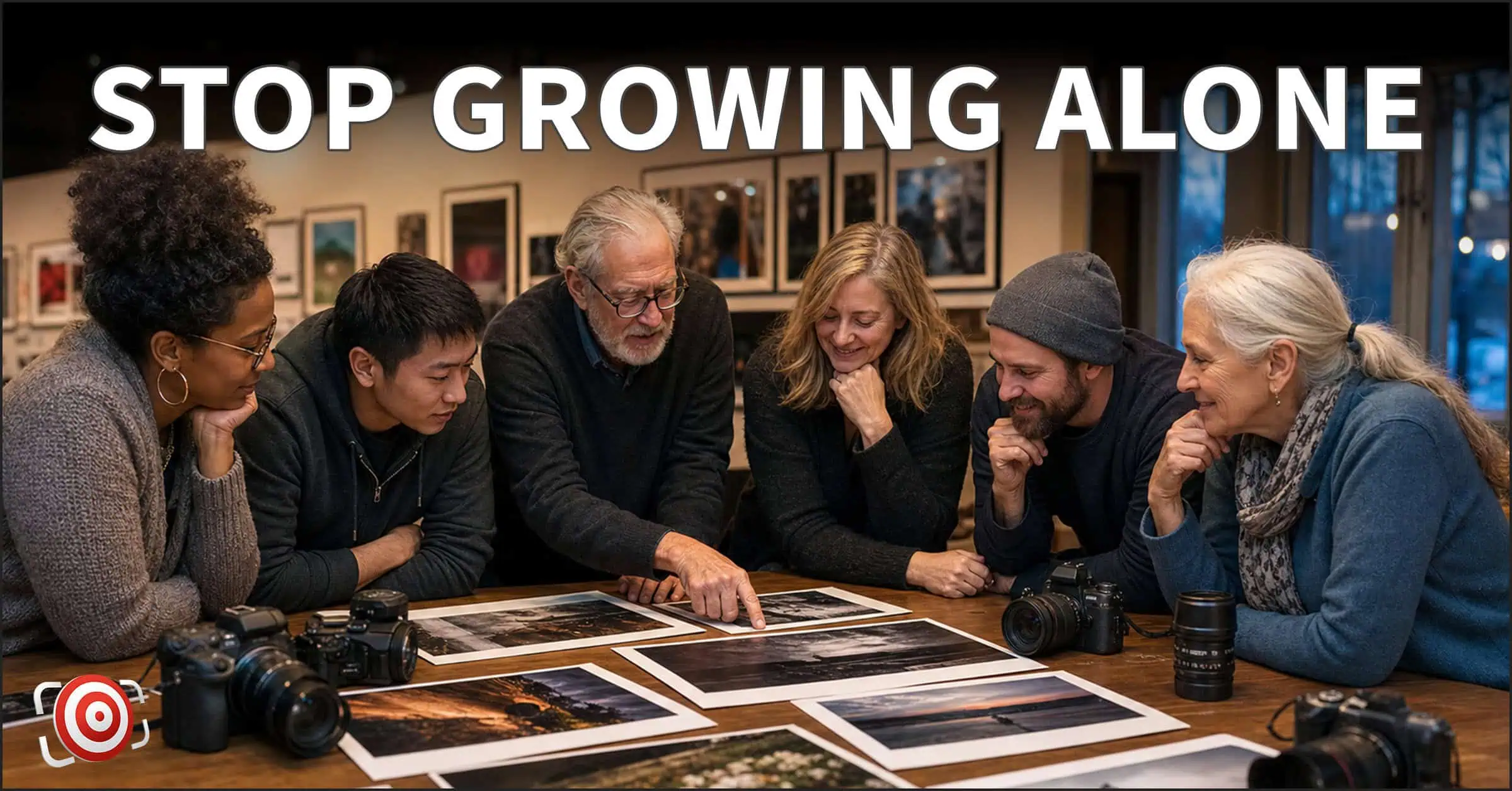
This article was originally published in the Photo Community News email newsletter.
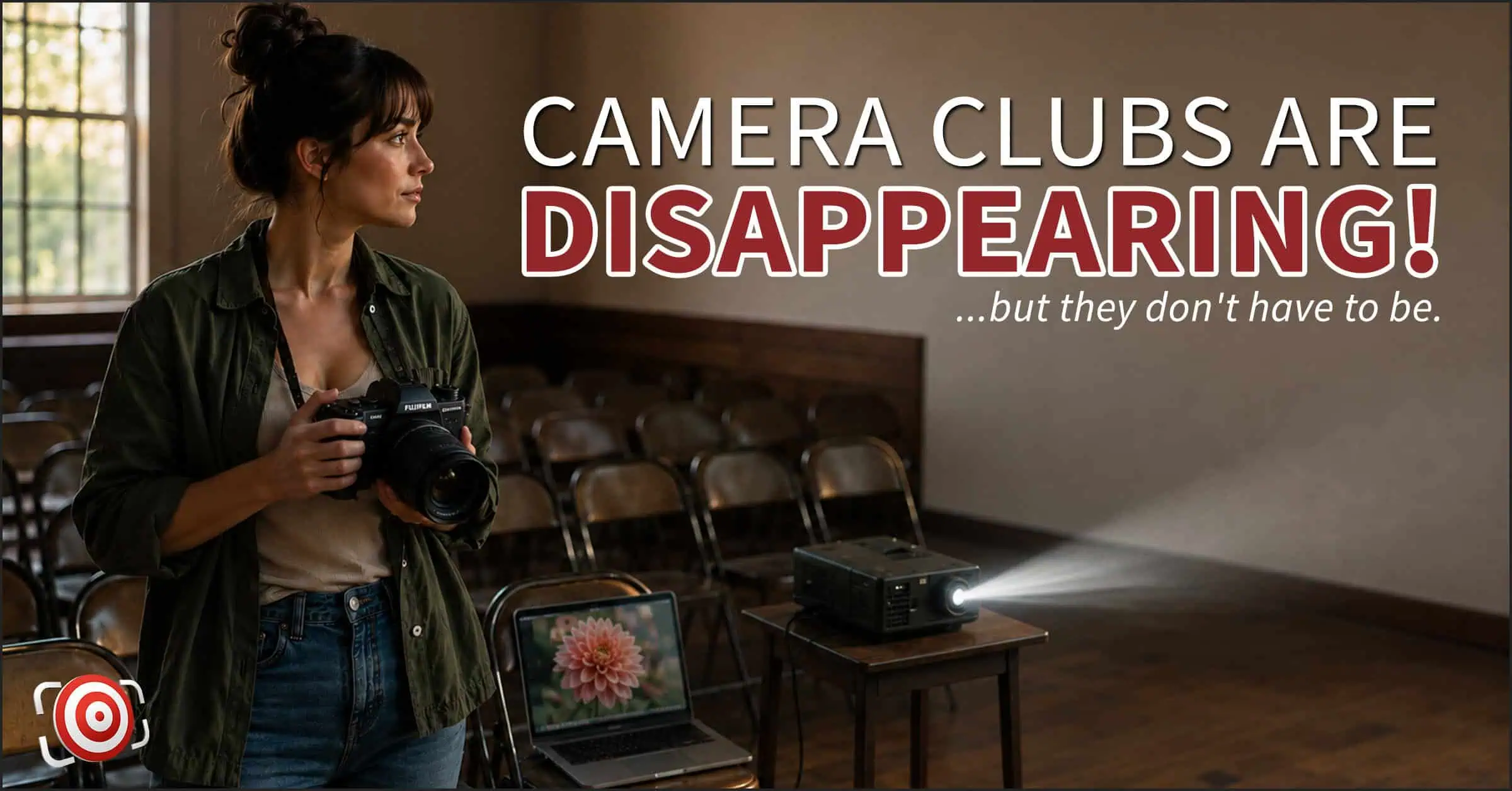
It’s 9:15 on a meeting night. The speaker’s laptop is packed up, somebody is stacking chairs, and everyone heads for the parking lot with a “see you next month.” Gosh, that sounds familiar.
Now think about a member who has come to every one of those meetings for three years. She knows most of the names. She’s clapped for a lot of competition winners. And if she woke up Saturday to perfect fog over the river, there’s a good chance she couldn’t think of a single club member to call.
That’s the hidden problem with a club that only exists on meeting night. People can attend for years and never actually belong to anything.
Table of Contents
The Math Most Clubs Never Do
A few years ago, Jeffrey Hall, a communication researcher at the University of Kansas, set out to measure how long it takes to make a friend. His answer: roughly 50 hours together to go from acquaintance to casual friend, about 90 hours to become real friends, and more than 200 hours to become close friends.
Now do the math for a typical camera club. Two or three hours a month, most of it spent facing a screen and listening to a program. Even if every minute of every meeting counted, two people would need a couple of years just to become casual friends.
And most of those minutes don’t count much. Hall found that time spent hanging out, joking around, and doing things together builds friendship, while time spent side by side on a task counts for a lot less. He also found that changing the setting, like going to lunch with someone you normally only see at work, is how people signal they want more than an acquaintance. In other words, the folding chair is about the worst place in the world to make a friend.
Why This Matters More Than It Sounds
In 2023, the U.S. Surgeon General put out an advisory calling loneliness an epidemic. About half of American adults said they’d experienced it. The report found Americans spent about 20 minutes a day in person with friends in 2020, down from an hour a day almost two decades earlier. One of the report’s main recommendations for regular people was to join community groups.
Your camera club is a community group. The people looking for exactly what you could offer are already out there, including the younger photographers clubs keep saying they can’t reach. A YPulse survey this year found 75 percent of 18-to 24-year-olds want to go more analog and pick up offline hobbies, and film photography is one of the hobbies they’re picking up.
This next part is my opinion, not a study. In all my years visiting clubs, I’ve rarely seen a member walk away from a club without a real friend. The member with only a seat in the room is the one who quietly stops renewing. Gallup has found the same pattern at work, where only about two in ten employees say they have a best friend on the job, and the ones who do are more engaged in their work. Nobody has run that study on camera clubs, but I’d bet the house on the result.
Five Ways to Build the Club Between Meetings
None of these need a budget line or a board vote. They need one person willing to say, “I’ll organize it.”
1. Stretch the meeting you already have. Open the doors 20 minutes early for coffee and camera talk, or start a standing “we go to the diner afterward” tradition. Ask one member to be the host, whose only job is to bring new people into the conversation.
2. Run a monthly photo walk. Pick a place worth shooting, walk for an hour or two, then go get coffee. The coffee is the part that builds friendships, so don’t skip it. If you set up the crew roles as outlined in last month’s article, this is a perfect job for an Outing Leader.
3. Start interest groups. Small groups around a single subject are where friendships actually form, because 8 bird photographers who meet every month will get to know each other far faster than 60 people in a meeting hall. The Stamford Photography Club in Connecticut runs more than a dozen of them, with 43 members in its landscape group, 36 in street photography, and 31 in black-and-white. Each one has a lead who plans outings and image reviews.
4. Give members a place to talk every day. A private Facebook group or a group text lets members post what they shot that morning and say, “Anyone want to shoot the sunrise tomorrow?” Online chat alone won’t build friendships, but it’s a great way to set up the in-person time that will.
5. Borrow your neighbors. Stamford’s calendar lists events from other clubs in the area, like a nearby library photo club’s exhibition reception and another group’s field trip. That’s a smart move. More events cost the club nothing, and members get more chances to shoot with people. Look up the clubs near you in my free Camera Club Directory, which lists more than 700 clubs across the U.S., and plan a joint photo walk.
A Few Things That Keep It Working
Keep it on the calendar. “First Saturday of the month” is easy to remember. “Whenever somebody gets around to it” disappears by February.
Invite people personally. A post on the club’s page is fine, but a newer member is much more likely to come if someone says, “We’re shooting the waterfront Saturday. Want to come?”
Keep it casual. No scores, no judging, and no required gear. If somebody shows up with a phone, great.
Open it up now and then. A walk that’s open to the public lets prospective members meet your people before they ever sit through a meeting, and it might be the cheapest recruiting tool a club has.
Start Here
Pick one item from the list above and add it to the calendar for this month. Then go find three of your newest members and invite them personally. That’s it. You don’t need a committee or a plan for the whole year. Next month, do it again.
Your club already has the hardest part: a room full of people who love the same thing. Give them more time together than two hours a month, and the friendships will take care of themselves.
Now go pick up that camera and shoot something! “Your BEST shot is your NEXT shot!”
Photo Community News
Get the next issue in your inbox.
It's my free monthly newsletter for camera clubs and photography groups: ways to grow your club, better meetings, and clubs that are doing things right. It shows up the first week of each month.