
David Bailey [1938 – Present] is a celebrated British photographer known for his iconic portraits and fashion photography that defined the 1960s and beyond.
Born in London, Bailey rose to fame as one of the “Swinging London” photographers, capturing the vibrant cultural scene of the era.
He worked extensively for British Vogue and was known for his dynamic and unconventional style.
Bailey’s portraits of celebrities, including Mick Jagger, The Beatles, and Jean Shrimpton, are renowned for their candid and intimate quality.
His influence extended beyond photography into directing commercials and documentaries.
Bailey’s bold approach and ability to capture the spirit of his subjects have made him one of the most influential photographers of his generation, contributing significantly to the visual culture of the 20th century.
Read the full Biography below.
Photography Quotes From David Bailey



📸 Did you know?
Besides his iconic fashion photography, Bailey has a passion for painting and sculpture. He has held several exhibitions showcasing his artwork, revealing his versatility and creativity beyond the photographic medium.
Videos about David Bailey
📸 Did you know?
Bailey was the inspiration for the character Thomas in Michelangelo Antonioni’s 1966 film “Blow-Up.” The film, which explores the life of a London fashion photographer, reflects the glamorous and sometimes chaotic world that Bailey was a part of.
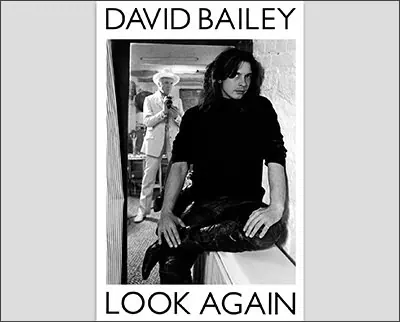
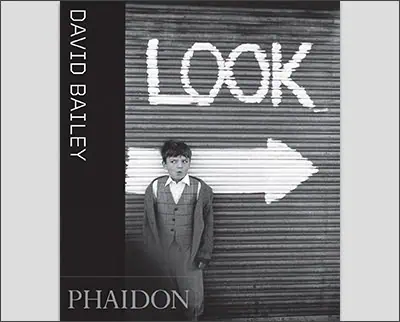
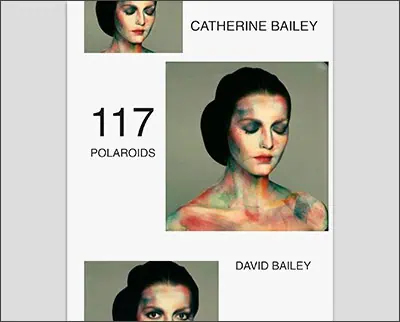
Photography Books: David Bailey





📸 Did you know?
Besides his iconic fashion photography, Bailey has a passion for painting and sculpture. He has held several exhibitions showcasing his artwork, revealing his versatility and creativity beyond the photographic medium.
Biography of David Bailey
Early Life and Introduction to Photography
David Bailey was born on January 2, 1938, in Leytonstone, East London.
Raised in a working-class family, Bailey’s early years were marked by the hardships of post-World War II Britain.
His father, Herbert Bailey, was a tailor’s cutter, and his mother, Sharon, was a machinist.
Bailey struggled with dyslexia and left school at the age of 15.
Despite his academic challenges, he found solace in the arts, mainly jazz music and film, influencing his aesthetic sensibilities.
Bailey’s introduction to photography came somewhat serendipitously.
After a stint in the Royal Air Force, he purchased a Rolleiflex camera and began experimenting with photography.
His early interest was nurtured by his love for visual storytelling and his fascination with capturing the world around him.
Bailey’s natural talent quickly became evident, and he soon decided to pursue photography professionally.
Early Career and Breakthrough
Bailey’s career took off when he secured an assistant position with the fashion photographer John French in 1959.
This role provided him with valuable technical skills and industry insights.
In 1960, Bailey joined British Vogue as a staff photographer, marking the beginning of his meteoric rise in the fashion world.
His dynamic and innovative approach to fashion photography set him apart from his contemporaries.
Bailey’s work for Vogue in the early 1960s coincided with the cultural phenomenon known as the “Swinging Sixties,” a period of significant social and cultural change in Britain.
His iconic images of celebrities, models, and socialites captured the spirit of the era.
Bailey’s distinctive style, characterized by its stark contrasts, bold compositions, and candid intimacy, revolutionized fashion photography.
He broke away from the stiff, formal conventions of the time, bringing a sense of spontaneity and energy to his work.
The Swinging Sixties and Celebrity Portraits
David Bailey became synonymous with the Swinging Sixties, documenting the cultural revolution with his lens.
His close relationships with figures like Mick Jagger, Jean Shrimpton, and the Beatles allowed him unprecedented access to the movers and shakers of the time.
Bailey’s portraits of these icons are among his most celebrated works. His image of Mick Jagger, with its raw, unfiltered intensity, became emblematic of the rebellious spirit of the 1960s.
Bailey’s partnership with model Jean Shrimpton also had a profound impact on his career.
Their collaborations produced some of the most iconic fashion images of the decade, and their personal relationship added an element of intrigue and glamour to their work.
Bailey’s ability to capture the essence of his subjects, combined with his innovative use of lighting and composition, made his photographs stand out in an increasingly competitive field.
Film and Directing
In addition to his photography, Bailey ventured into filmmaking.
His first film, G.G. Passion (1966), was a documentary-style exploration of the fashion world, reflecting his keen interest in the intersections of visual art and storytelling.
Bailey continued to direct films throughout his career, including commercials and music videos. His work in film allowed him to experiment with different forms of visual expression and narrative.
Major Publications and Exhibitions
Bailey’s prolific career includes numerous books and exhibitions showcasing his diverse work.
His first book, Box of Pin-Ups (1965), featured portraits of influential figures from the 1960s, including the Beatles, Mick Jagger, and Andy Warhol. The book’s innovative design and bold images cemented Bailey’s reputation as a leading photographer of his generation.
In 1983, Bailey published David Bailey’s Trouble and Strife, a collection of portraits of his wife, model Catherine Dyer. The book’s intimate and candid images highlighted Bailey’s ability to capture the personal and private aspects of his subjects’ lives.
His later publications, such as If We Shadows (1991) and Chasing Rainbows (2001), continued to explore themes of beauty, fame, and the human condition.
Bailey’s work has been exhibited in major galleries and museums worldwide, including the National Portrait Gallery in London, the Museum of Modern Art in New York, and the Victoria and Albert Museum in London.
His exhibitions often draw large audiences, attracted by his iconic images and innovative approach to photography.
Personal Life and Influence
David Bailey’s personal life has been as colorful and dynamic as his career. He has been married four times and has three children.
His relationships with high-profile models and actresses have often been the subject of media attention, adding to his enigmatic and charismatic public persona.
Bailey’s influence extends beyond his photographs; he has been a mentor and inspiration to many young photographers.
His commitment to pushing the boundaries of the medium and his fearless approach to capturing the essence of his subjects have left a lasting impact on the field of photography.
Awards and Recognition
Throughout his career, Bailey has received numerous awards and honors for his contributions to photography and the arts. In 2001, he was awarded a CBE (Commander of the Order of the British Empire) for his services to art.
His work has been celebrated for its innovation, creativity, and cultural significance.
Legacy and Impact
David Bailey’s legacy lies in his ability to capture the zeitgeist of the 1960s and beyond with a unique blend of artistry and authenticity.
His portraits of celebrities and cultural icons have become defining images of their time, reflecting the social and cultural changes of the era.
Bailey’s innovative approach to fashion photography has influenced countless photographers and continues to shape the field.
His work remains relevant and influential, inspiring new generations of photographers to explore the intersections of art, culture, and fashion.
Bailey’s commitment to visual storytelling and his fearless exploration of new techniques and subjects ensure that his legacy will endure for years to come.
Current Work and Future Projects
David Bailey continues to be active in photography and the arts, constantly evolving and experimenting with new ideas and techniques.
His recent projects reflect his ongoing passion for capturing the human experience with authenticity and artistry.
Bailey’s work remains as dynamic and compelling as ever, demonstrating his enduring influence and relevance in the world of photography.
Conclusion
David Bailey’s career is a testament to his talent, vision, and resilience.
From his early days as a fashion photographer to his status as a cultural icon, he has consistently challenged and redefined the norms of photography.
His provocative, empowering, and visually captivating images have left an indelible mark on the world of photography, inspiring countless artists and viewers alike.
Bailey’s legacy is one of bold creativity and fearless expression, celebrating the beauty and strength of human individuality.