Edward Steichen [1879 – 1973] was a Luxembourgish-American photographer, painter, and curator who played a pivotal role in the development of photography as an art form.
Born in Bivange, Luxembourg, Steichen emigrated to the United States with his family in 1881.
He began his career as a painter but soon turned to photography, becoming one of the most influential figures in the field.
Steichen was a key member of the Photo-Secession movement and co-founded the magazine Camera Work with Alfred Stieglitz.
As the director of photography at the Museum of Modern Art (MoMA) in New York, he curated the groundbreaking exhibition “The Family of Man,” which toured globally and profoundly impacted public perception of photography.
Steichen’s innovative techniques and dedication to both commercial and artistic photography cemented his legacy as a master of the medium.
Read the full Biography below.
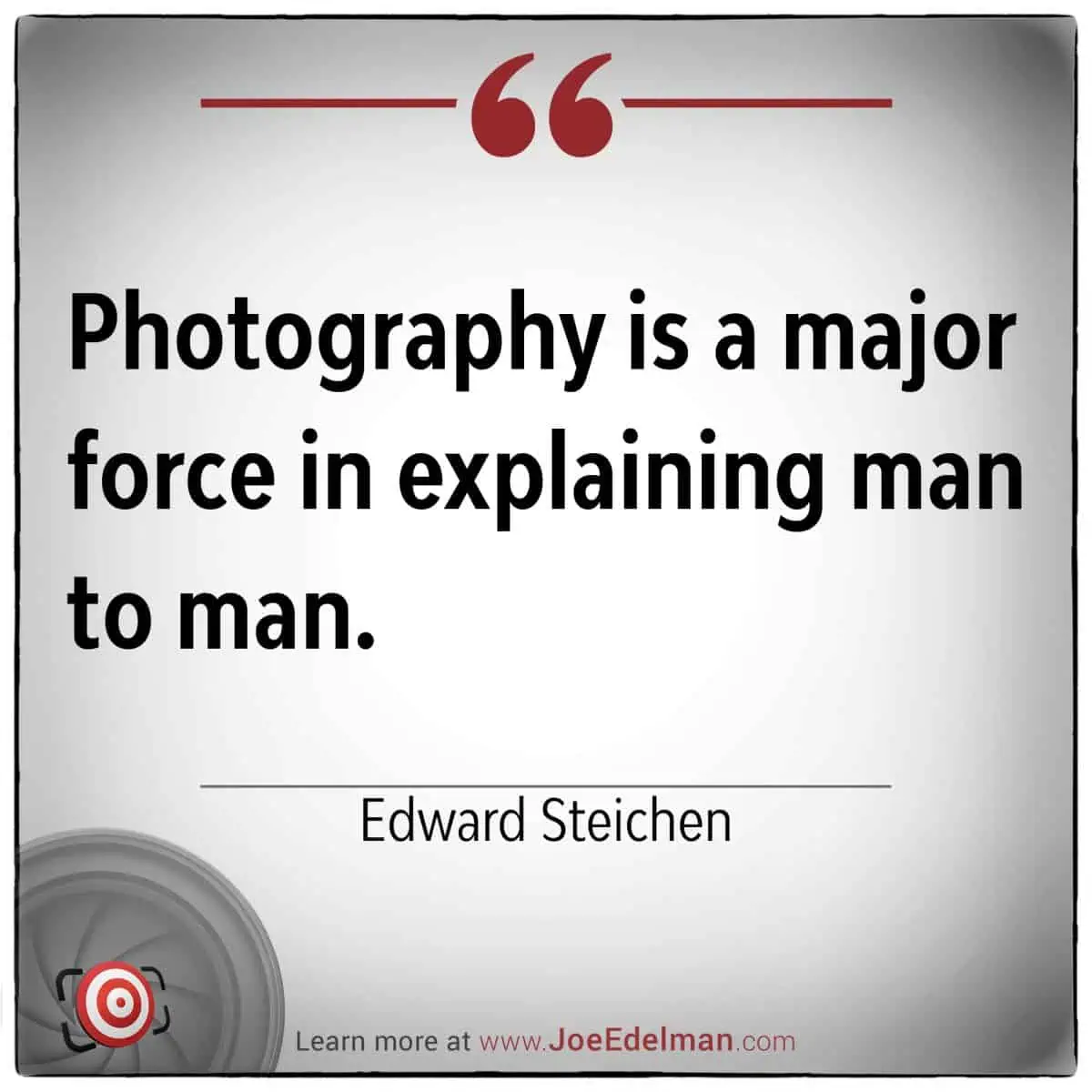
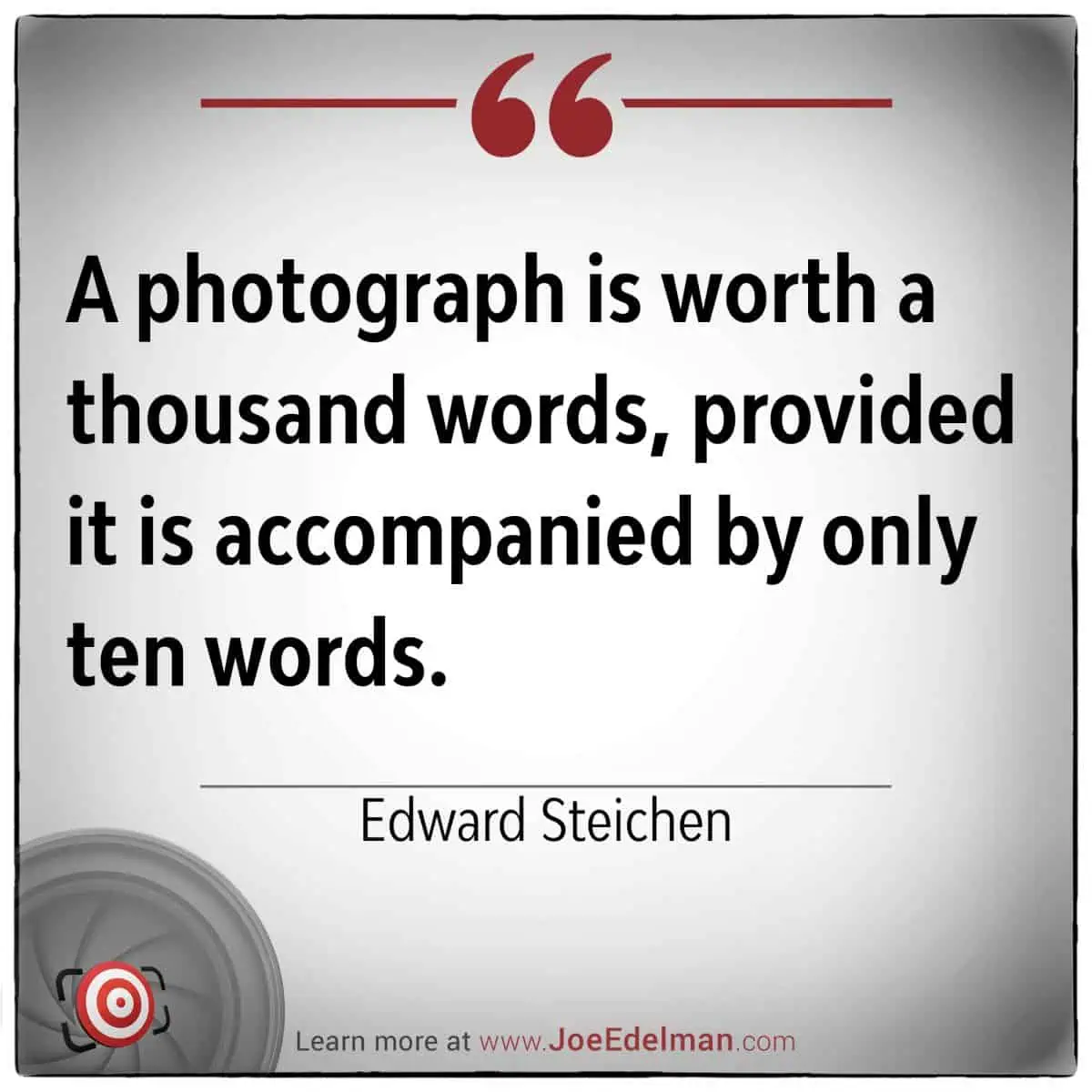
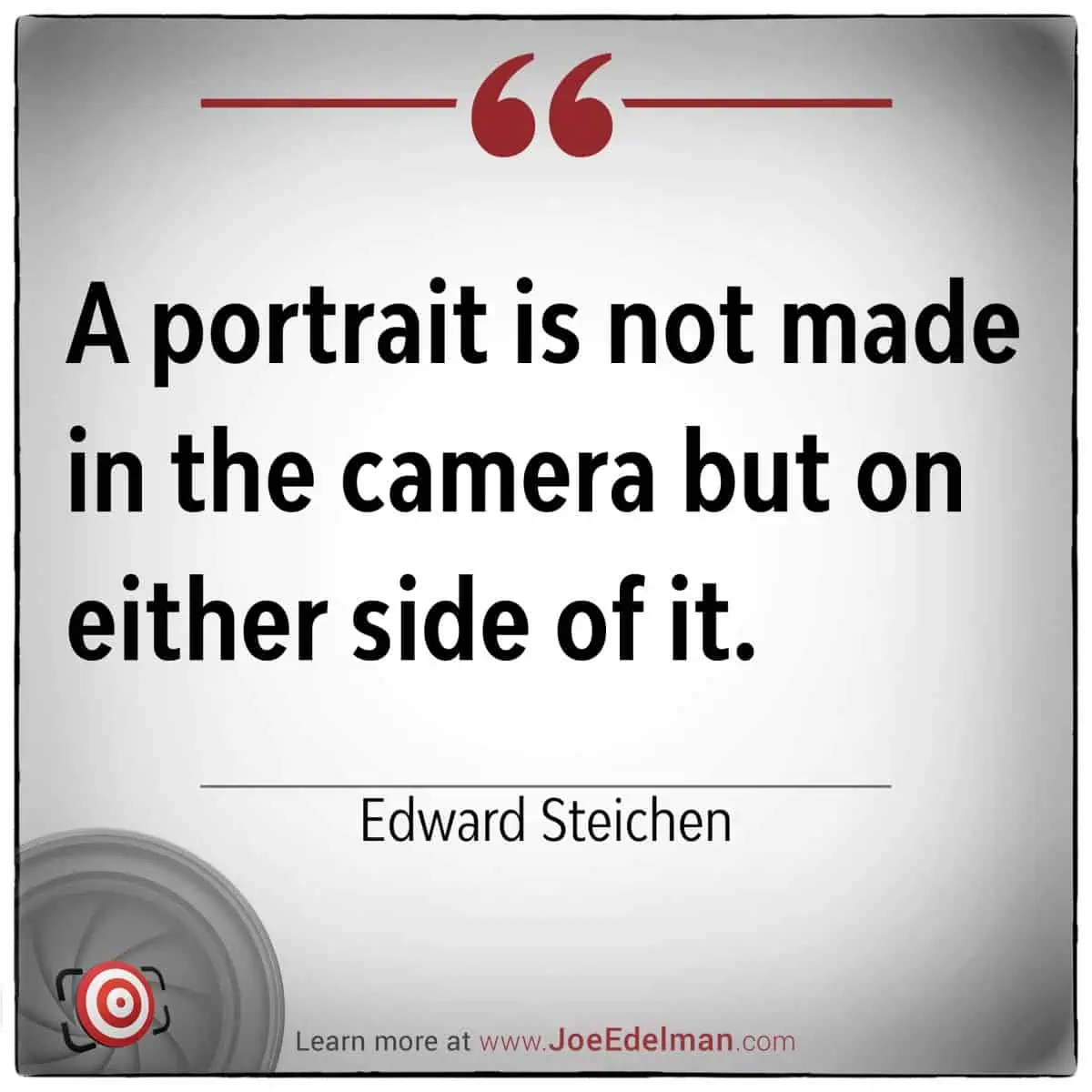
Photography Quotes From Edward Steichen


📸 Did you know?
Edward Steichen originally trained as a painter and only later transitioned to photography, bringing a strong sense of composition and artistry to his photographic work. This background helped him to pioneer the Pictorialist movement, which emphasized beauty and craftsmanship in photography.
Videos about Edward Steichen
📸 Did you know?
During World War I, Steichen served as the chief of the Photographic Section of the American Expeditionary Forces, where he significantly advanced aerial photography techniques. His contributions were instrumental in using photography for military intelligence.
Photography Books: Edward Steichen
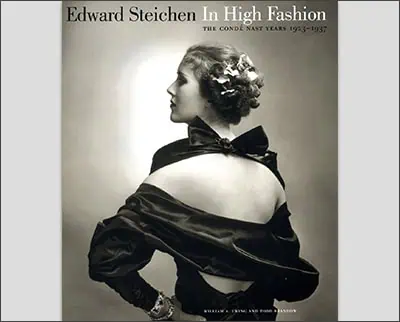
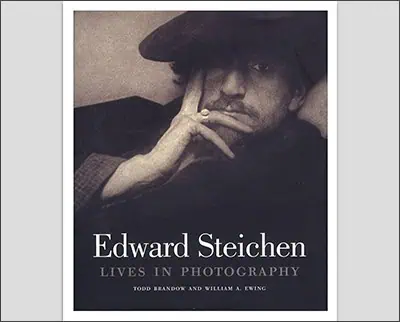
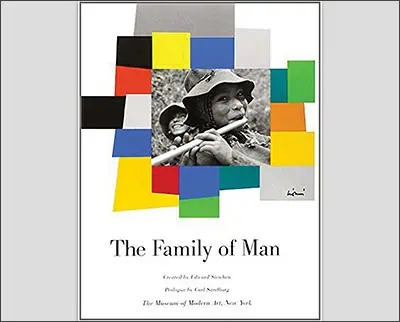
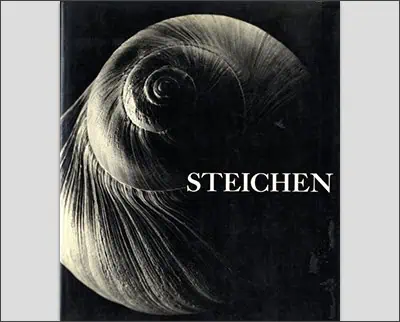
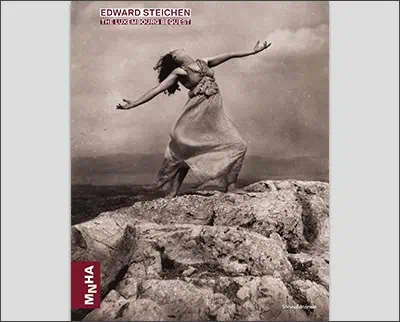
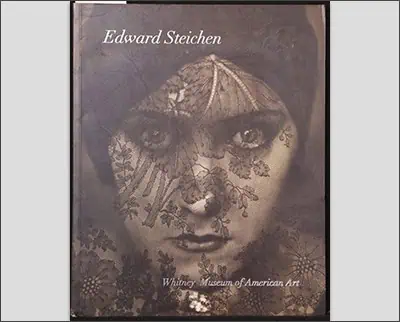
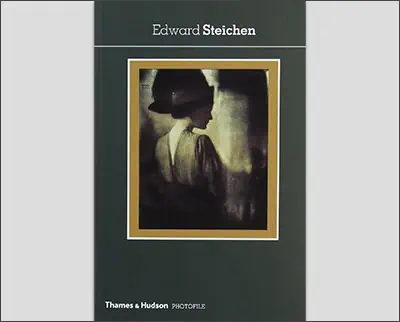
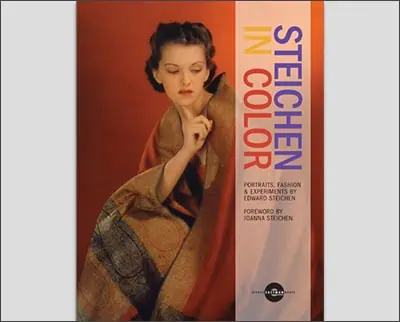
📸 Did you know?
Steichen was the first photographer to have a major solo exhibition at the Museum of Modern Art in New York. His 1955 exhibition, “The Family of Man,” remains one of the most celebrated photography exhibitions of all time, showcasing human experiences across cultures and countries.
Biography of Edward Steichen
Early Life and Introduction to Photography
Edward Jean Steichen was born on March 27, 1879, in Bivange, Luxembourg.
At the age of two, Steichen immigrated with his family to the United States, settling in Hancock, Michigan, and later in Milwaukee, Wisconsin.
As a child, Steichen showed an early interest in art, particularly painting.
At 15, he began an apprenticeship as a lithographer, where he was introduced to photography. He purchased his first camera in 1895 and quickly became fascinated by the medium.
This early exposure set the stage for a career that would see Steichen become one of the most influential photographers of the 20th century.
Education and Early Career
Steichen’s formal education in the arts began at the Milwaukee Art Students League, where he studied painting and drawing.
In 1900, he traveled to Paris to further his studies and immerse himself in the European art scene.
During this period, Steichen met prominent artists and photographers, including Auguste Rodin, whose portrait he famously photographed.
Steichen’s early work was heavily influenced by the Pictorialist movement, which sought to elevate photography to the level of fine art by emphasizing its aesthetic and emotional qualities.
The Pictorialist Movement and Photo-Secession
Upon returning to the United States, Steichen became a central figure in the Pictorialist movement.
He co-founded the Photo-Secession group with Alfred Stieglitz in 1902, aiming to promote photography as an art form.
The group’s efforts culminated in the creation of the influential magazine Camera Work, which showcased the work of photographers who embraced the Pictorialist aesthetic.
Steichen’s contributions to Camera Work included both his photographs and essays, cementing his reputation as a leading voice in the movement.
Transition to Modernism
In the 1910s, Steichen began to move away from the soft-focus, painterly style of Pictorialism towards a more modernist approach.
His work during this period reflected a growing interest in clarity, form, and the dynamic potential of the photographic medium.
This transition was exemplified by his experiments with various photographic techniques, including multiple exposures and solarization.
World War I and Aerial Photography
Steichen’s career took a significant turn during World War I when he joined the U.S. Army as a captain in the Photographic Section of the American Expeditionary Forces.
He was tasked with overseeing aerial reconnaissance photography, a role that highlighted the strategic importance of photography in warfare.
This experience not only broadened Steichen’s technical skills but also deepened his appreciation for the documentary power of the medium.
Fashion and Celebrity Photography
After the war, Steichen returned to New York and began a highly successful career in fashion and celebrity photography.
He became the chief photographer for Vogue and Vanity Fair magazines, where he worked from 1923 to 1938.
During this time, Steichen revolutionized fashion photography by introducing dynamic compositions, dramatic lighting, and a focus on the personality of the subjects.
His portraits of celebrities, including Greta Garbo, Charlie Chaplin, and Gloria Swanson, remain iconic images of Hollywood’s golden age.
The Family of Man and Curatorial Work
In 1947, Steichen was appointed Director of the Department of Photography at the Museum of Modern Art (MoMA) in New York, a position he held until 1962.
His most famous curatorial project was the landmark exhibition “The Family of Man” in 1955.
This exhibition, which featured 503 photographs from 273 photographers around the world, aimed to depict the universal aspects of the human experience.
“The Family of Man” was groundbreaking in its scope and impact, traveling to 37 countries and being viewed by over 9 million people.
It remains one of the most influential photography exhibitions of all time.
Later Years and Legacy
Steichen continued to be active in photography and curatorial work well into his later years.
He published several books, including A Life in Photography (1963), which chronicled his extensive career and contributions to the field.
Steichen passed away on March 25, 1973, just two days shy of his 94th birthday, in Redding, Connecticut.
Impact and Influence
Edward Steichen’s influence on photography is profound and multifaceted.
He played a crucial role in elevating photography to an art form, pioneered modern fashion photography, and used the medium to promote social understanding and humanistic values.
His technical innovations, artistic vision, and curatorial achievements have left an indelible mark on the history of photography.
Conclusion
Edward Steichen’s career is a testament to the transformative power of photography.
From his early days as a Pictorialist to his groundbreaking work in fashion and documentary photography, Steichen consistently pushed the boundaries of the medium.
His legacy is one of artistic innovation, technical mastery, and a deep commitment to using photography to explore and celebrate the human condition.
Through his lens, Steichen captured the beauty, complexity, and interconnectedness of the world, inspiring future generations of photographers to see and create with fresh eyes.