Edward Weston [1886 – 1958] was a pioneering American photographer whose work helped transform photography into an art form in the 20th century.
Born in Highland Park, Illinois, Weston developed an interest in photography at an early age.
He is renowned for his sharply detailed, meticulously composed images of natural landscapes, nudes, and still lifes. Weston’s approach was characterized by his belief in the photographic process as an art of seeing, rather than manipulation.
A founding member of the Group f/64, he was instrumental in advocating for photography as a pure form, emphasizing straight, unretouched images.
His legacy includes some of the most celebrated photographs of the early 20th century, influencing generations of photographers with his vision and technique.
Read the full Biography below.
Photography Quotes From Edward Weston
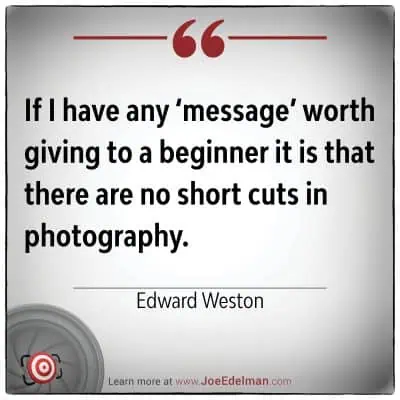
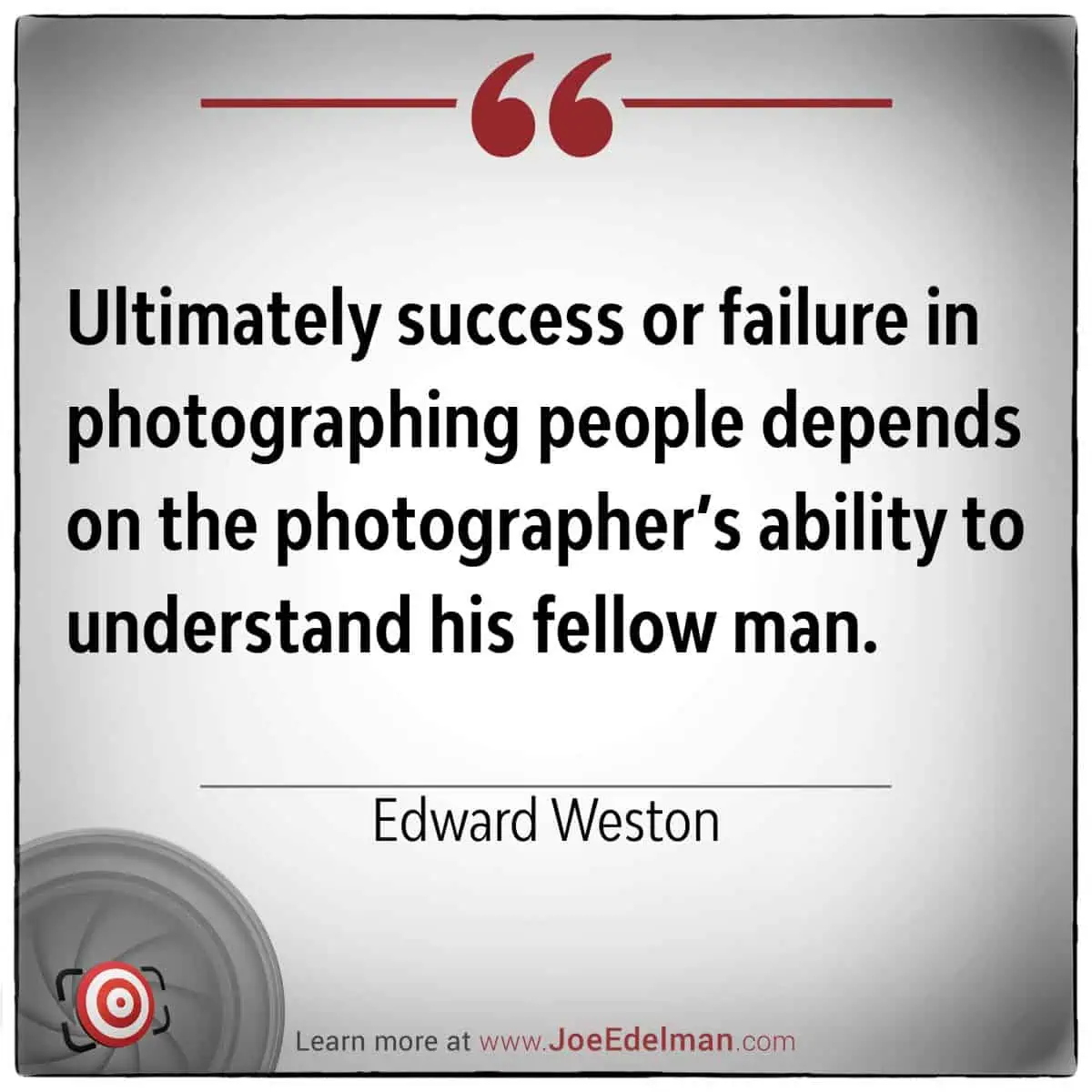
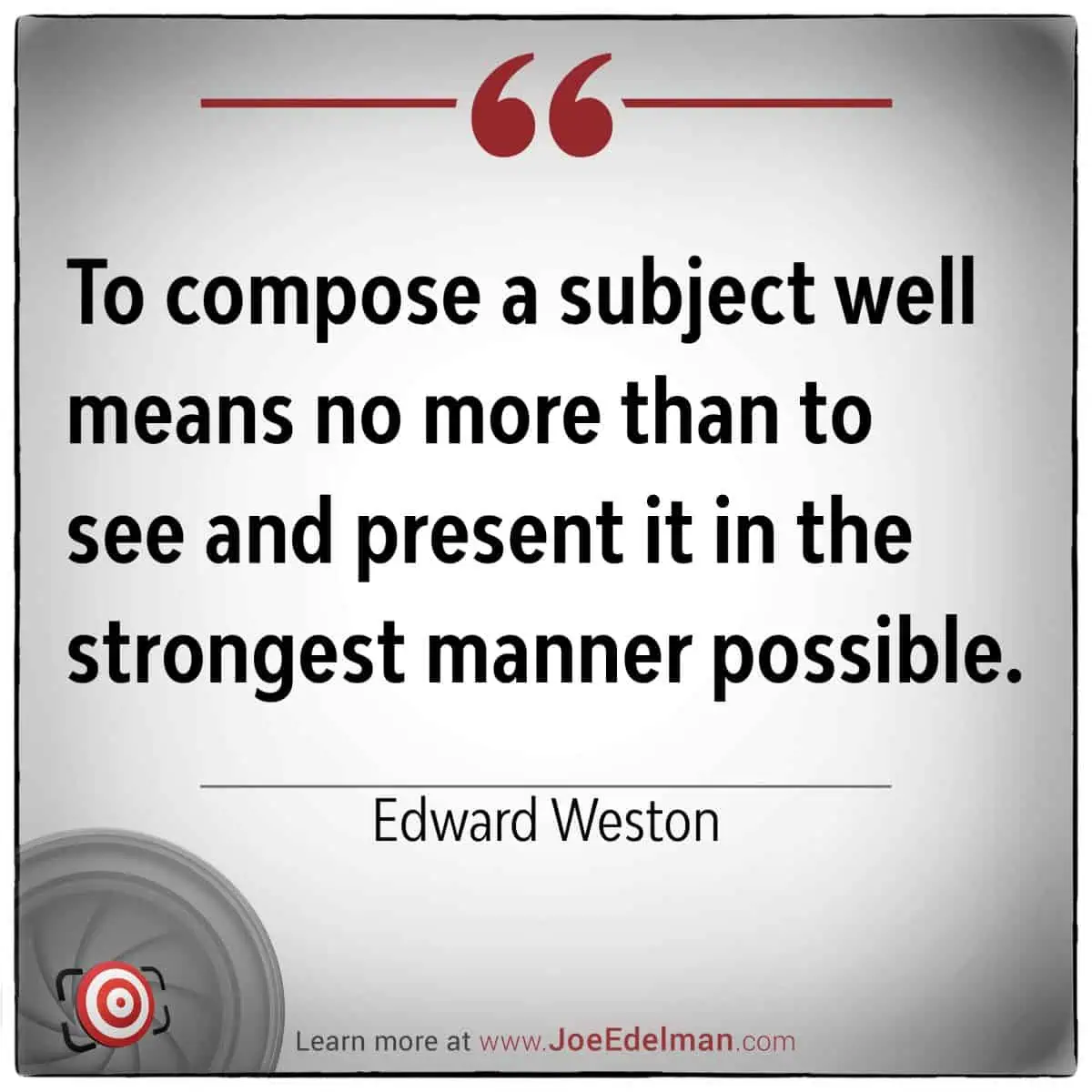
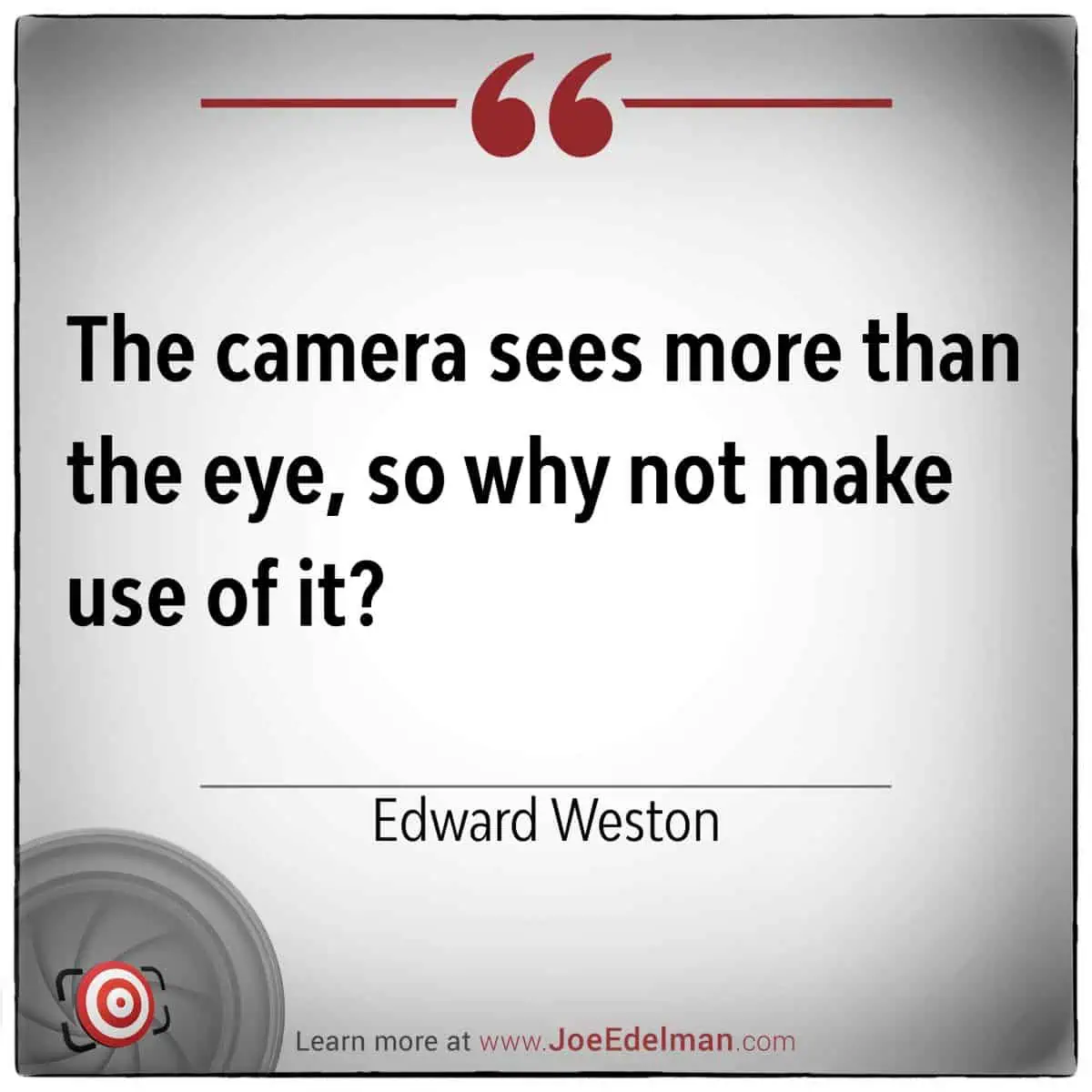
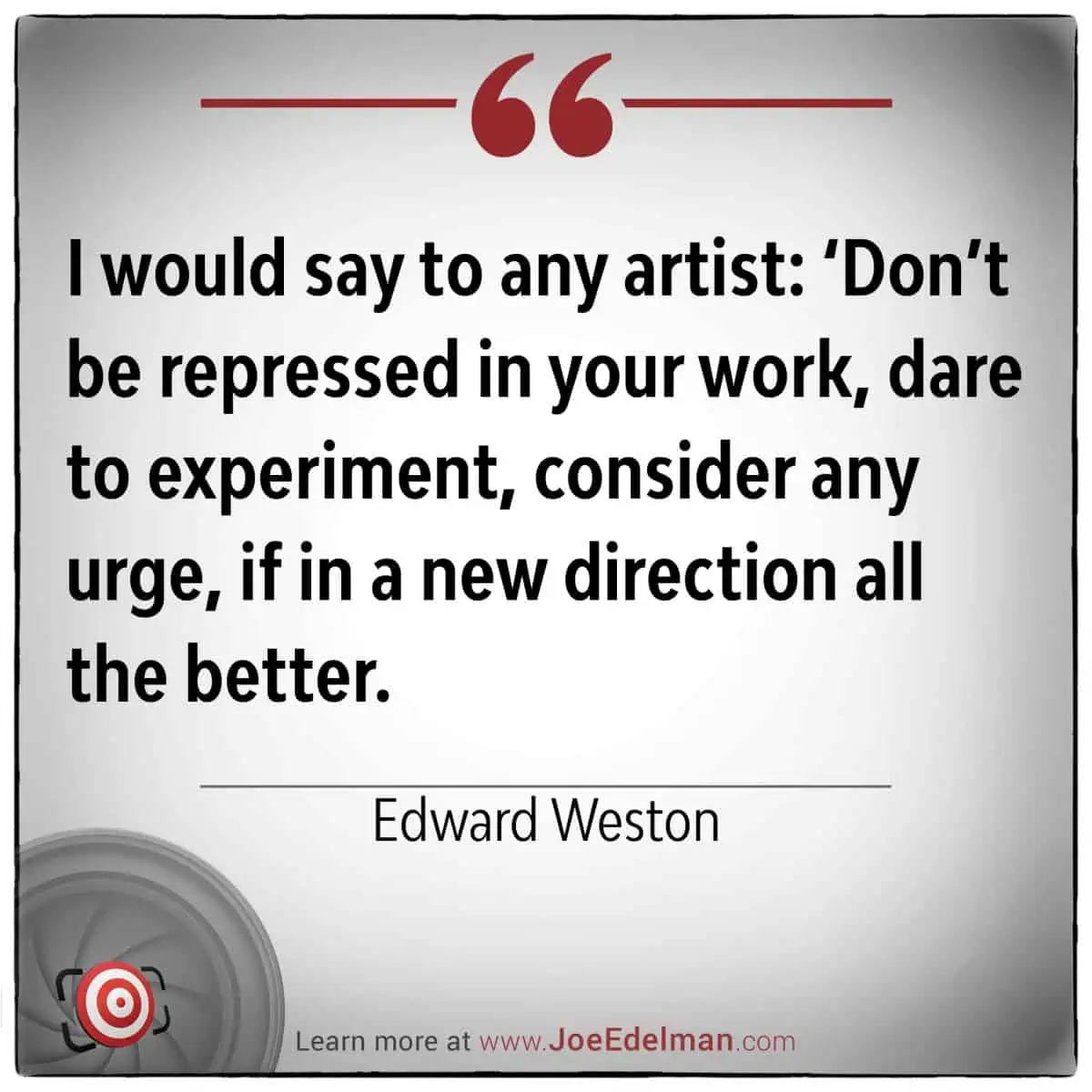
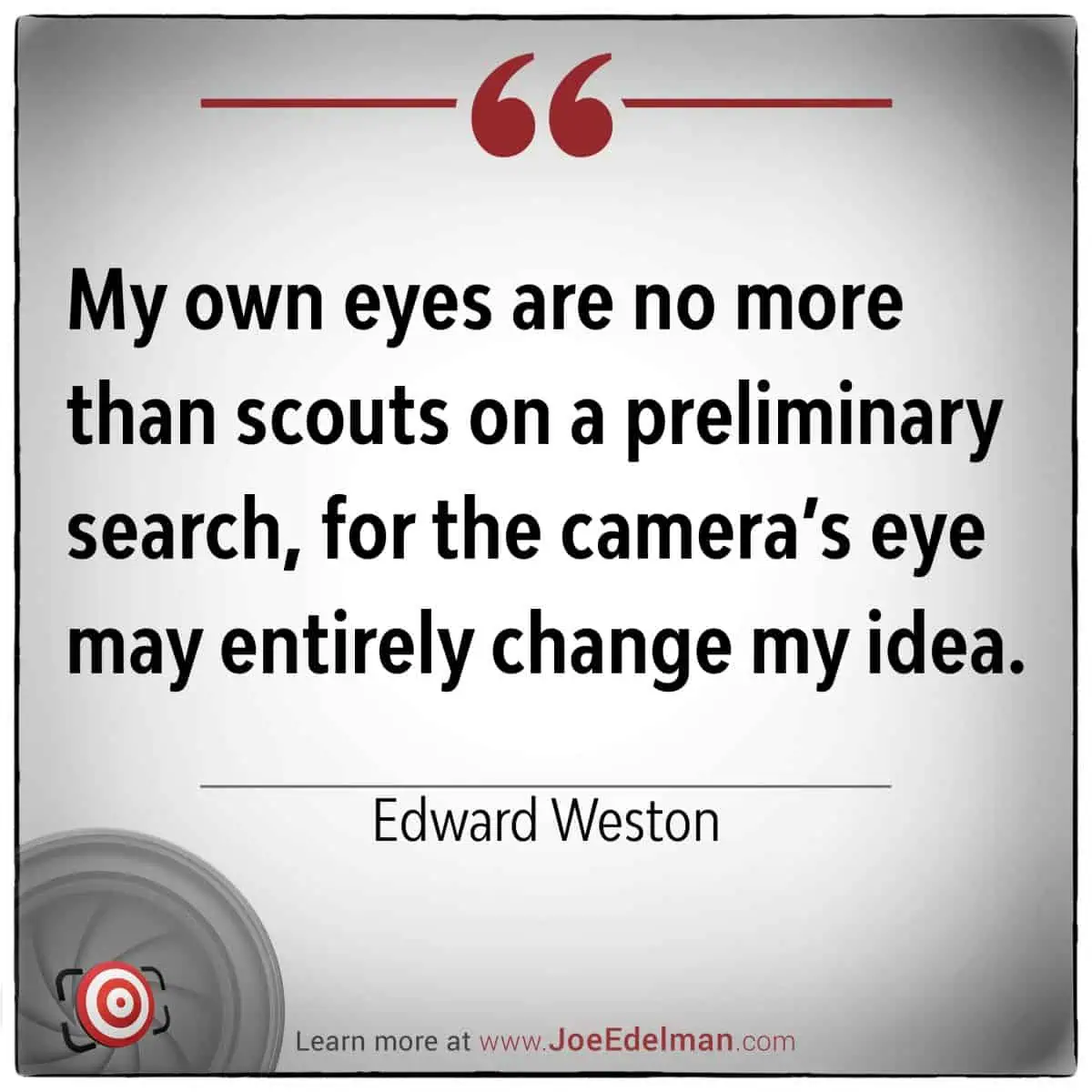
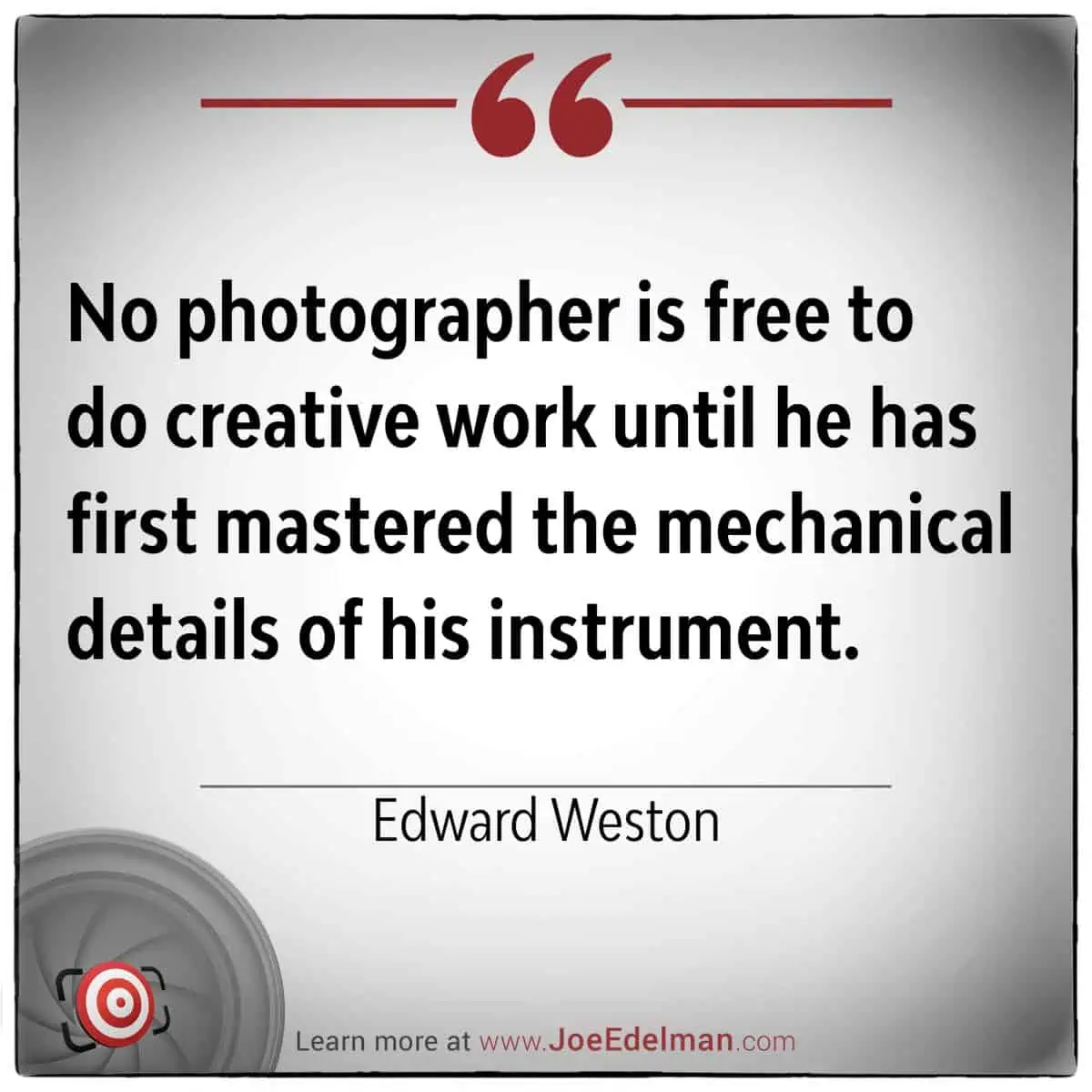
📸 Did you know?
Edward Weston started his photography career with a Kodak Bull’s-Eye #2 camera, a gift from his father for his 16th birthday. This simple camera sparked a passion that would eventually lead him to become one of the founding figures of modern American photography.
Videos about Edward Weston
📸 Did you know?
In the later years of his life, Weston was diagnosed with Parkinson’s disease, which severely limited his ability to photograph. Despite this, he continued to work with the help of his sons, Brett and Cole, who would assist him in the darkroom and with his equipment during shoots.
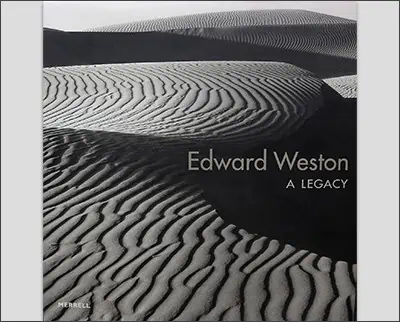
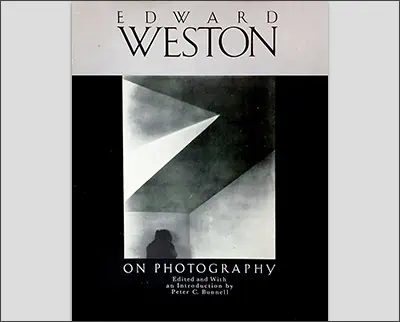
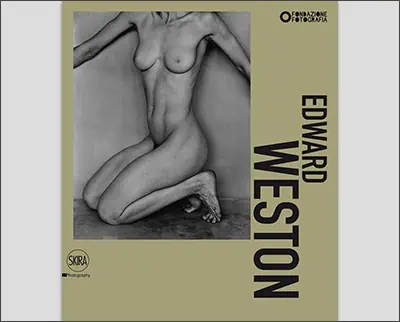
Photography Books: Edward Weston
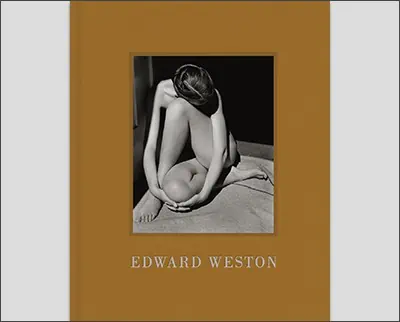
📸 Did you know?
He developed a technique known as “previsualization,” which involved envisioning the final print before even taking the photograph. This approach required a deep understanding of how different variables, such as light, composition, and materials, would affect the final image, emphasizing the artistic intent behind photography.
Biography of Edward Weston
Early Life and Introduction to Photography
Born on March 24, 1886, in Highland Park, Illinois, Edward Henry Weston would become one of the most innovative and influential American photographers of the 20th century.
Weston’s interest in photography sparked at an early age when his father gifted him a Kodak Bull’s-Eye #2 camera for his 16th birthday. This event marked the beginning of Weston’s lifelong exploration of photography as an art form.
Formative Years and Artistic Development
Weston’s early work was primarily in the pictorialist style, characterized by soft focus and emulation of painting and etching techniques.
However, his artistic vision began to shift towards a more straightforward and detailed approach after a trip to California in 1906, where he was inspired by the raw beauty of the landscape.
In 1911, Weston moved to California, where he opened his first portrait studio in Tropico (now Glendale), California.
Despite his commercial success, Weston’s personal work during this period reflected his growing interest in a more realist approach to photography.
Breakthrough and Modernism
Weston’s artistic breakthrough came in the 1920s during a stay in Mexico, where he was influenced by the post-revolutionary cultural renaissance and formed significant friendships with artists and intellectuals, including Tina Modotti, with whom he had a romantic and artistic partnership.
This period was marked by a radical shift in his work towards modernism, characterized by bold, abstract forms, and a focus on the intrinsic beauty of his subjects.
Group f/64 and Straight Photography
Returning to California in the late 1920s, Weston became a key figure in the development of straight photography, which emphasized sharp focus and the use of photographic materials’ full tonal range.
In 1932, he co-founded Group f/64 with Ansel Adams, Willard Van Dyke, and other photographers, advocating for photography as an independent art form capable of capturing reality in its purest form.
Iconic Works and Subjects
Weston’s subjects varied widely, including landscapes, nudes, portraits, and still lifes.
He is perhaps best known for his series of close-up studies of shells, peppers, and nautilus, where he explored form, light, and texture to transform these subjects into abstract compositions of profound beauty.
His work on the American West, particularly the landscapes of California’s deserts and the Sierra Nevada, contributed significantly to the visual identity of the American landscape in photography.
Legacy and Influence
Throughout his career, Weston sought to understand and capture the essence of his subjects, stripping away the superfluous to reveal their fundamental form and beauty.
His dedication to his craft and his philosophical approach to photography influenced countless photographers and contributed to the medium’s acceptance as a fine art.
Weston’s legacy is also preserved through his extensive written journals, known as “Daybooks,” which provide insight into his artistic philosophy, his personal life, and the development of his work.
In 1937, Weston became the first photographer to receive a Guggenheim Fellowship, which allowed him to undertake a series of photographic expeditions across the United States.
Later Years and Death
In the late 1940s, Weston began to suffer from Parkinson’s disease, which eventually forced him to stop photographing.
His sons, Brett Weston and Cole Weston, both of whom became accomplished photographers, continued to print from his negatives under his supervision.
Edward Weston passed away on January 1, 1958, in Carmel Highlands, California.
Today, his work is held in major collections worldwide, and he is celebrated as one of the masters of 20th-century photography, whose work continues to inspire admiration and analysis for its pioneering approach to form, light, and the photographic medium.