

Flip Schulke [1930 – 2008] was an influential American photographer known for his compelling images of the Civil Rights Movement and underwater photography.
Born in Cornish, New Hampshire, Schulke began his photography career in high school and later studied at Macalester College in St. Paul, Minnesota.
He gained prominence in the 1960s with his powerful and intimate photographs of key civil rights events and leaders, including Martin Luther King Jr., with whom he developed a close working relationship.
Schulke’s work was widely published in major magazines such as Life, Time, and National Geographic.
Additionally, he was a pioneer in underwater photography, capturing striking images of marine life and diving.
Schulke’s dedication to documenting social change and his innovative techniques left a lasting legacy in photojournalism.
Read the full Biography below.
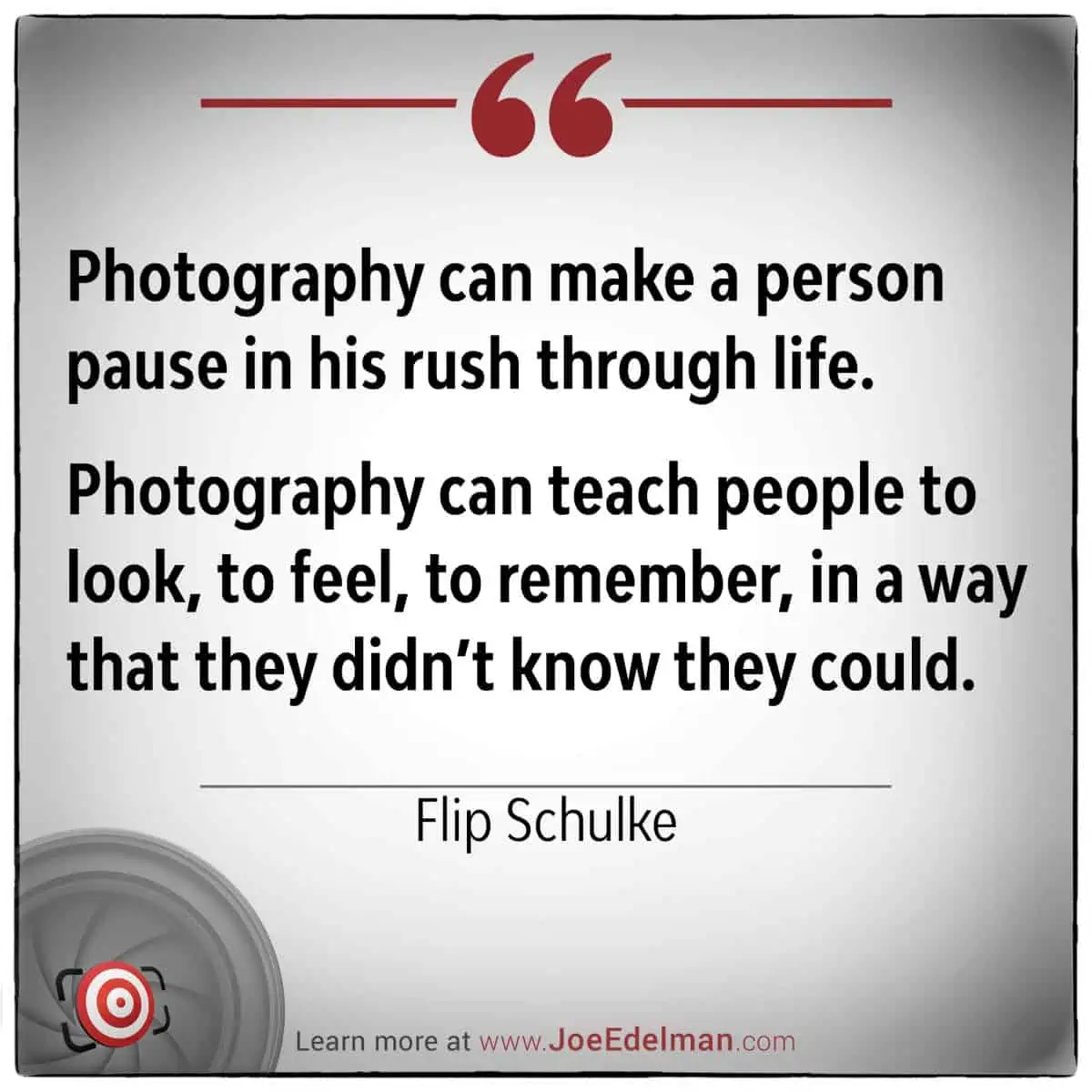
Photography Quotes From Flip Schulke


📸 Did you know?
Schulke was a pioneer in underwater photography, utilizing innovative techniques to capture stunning images beneath the surface. His work in this area includes notable assignments for National Geographic, where he photographed everything from marine life to synchronized swimmers.
Videos about Flip Schulke
📸 Did you know?
Schulke was awarded the NPPA (National Press Photographers Association) Picture of the Year Award three times throughout his career. His dedication to photojournalism and his ability to tell powerful stories through his lens earned him numerous accolades and a lasting legacy in the field.
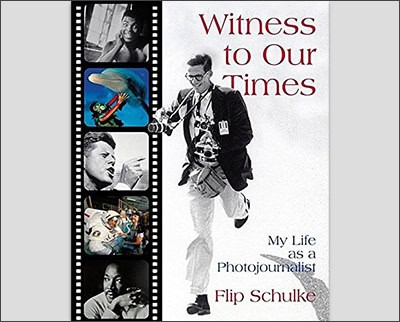
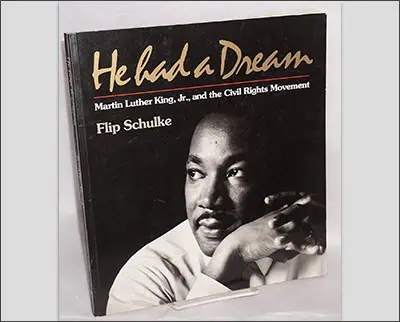
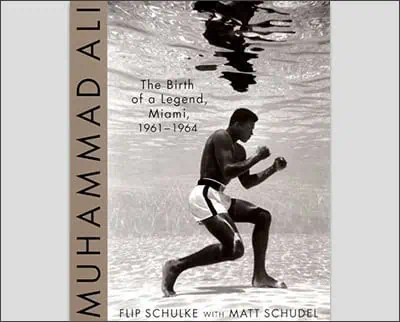
Photography Books: Flip Schulke
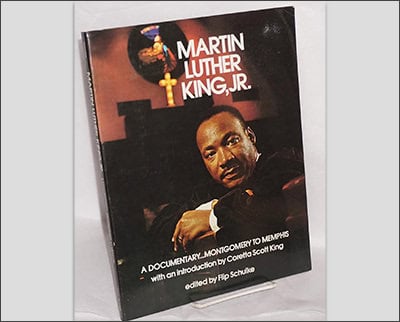
📸 Did you know?
Flip Schulke was a close friend of Dr. Martin Luther King Jr. and captured many intimate and iconic images of the Civil Rights Movement. His access and relationship with King allowed him to document moments that were both historic and personal.
Biography of Flip Schulke
Early Life and Introduction to Photography
Flip Schulke, born Graeme Phelps Schulke on June 24, 1930, in Cornish, New Hampshire, was raised in a family with a keen interest in the arts.
His early exposure to photography came from his mother, who was an amateur photographer.
At the age of 15, Schulke received his first camera, a gift that would ignite his lifelong passion for photography.
This early interest grew as he began to document his surroundings and develop his technical skills.
Education and Early Career
Schulke attended Macalester College in St. Paul, Minnesota, where he studied journalism.
During his college years, he became the editor of the school newspaper, where he honed his photographic skills and began to understand the power of images in storytelling.
After graduating in 1952, Schulke served in the U.S. Army, where he continued to develop his photographic expertise, capturing images of military life and the people he encountered.
Civil Rights Movement and Martin Luther King Jr.
In the late 1950s, Schulke moved to Miami, Florida, and began working as a freelance photographer for various publications.
It was during this time that he became deeply involved in documenting the Civil Rights Movement. Schulke’s most significant work in this area began when he met Dr. Martin Luther King Jr. in 1958.
Over the next decade, Schulke developed a close personal and professional relationship with King, gaining unprecedented access to the Civil Rights leader and the movement he spearheaded.
Schulke’s photographs of the Civil Rights Movement are among the most iconic images of this era. His work captured key events such as the integration of the University of Mississippi, the March on Washington, and the Selma to Montgomery marches.
Schulke’s ability to document these historic moments with empathy and authenticity helped to bring the struggles and triumphs of the movement to the attention of a broader audience.
Underwater Photography and Innovative Techniques
In addition to his work in photojournalism, Schulke was a pioneer in underwater photography.
His fascination with the underwater world began in the early 1950s when he moved to Florida.
He became one of the first photographers to use underwater camera housings to capture images of marine life, divers, and underwater landscapes.
Schulke’s innovative techniques and stunning images brought the underwater world to life for viewers around the world.
Schulke’s groundbreaking underwater photography was featured in numerous publications, including Life magazine, National Geographic, and Sports Illustrated.
His work in this field earned him widespread recognition and helped to advance the technology and techniques used in underwater photography.
Major Publications and Projects
Throughout his career, Flip Schulke worked on a variety of major projects and publications.
His photographs have appeared in leading magazines and newspapers, and he has published several books showcasing his work.
One of his most notable books is King Remembered (1976), a collection of his photographs of Martin Luther King Jr. and the Civil Rights Movement.
The book provides a powerful visual record of King’s leadership and the pivotal moments of the movement.
Another significant publication is Underwater Photography (1978), which highlights Schulke’s contributions to the field and offers insights into his techniques and experiences.
The book serves as both a showcase of his stunning underwater images and a guide for aspiring underwater photographers.
Teaching and Influence
In addition to his work as a photographer, Schulke was a dedicated educator and mentor.
He taught photography at the University of Miami for over two decades, sharing his knowledge and passion with generations of students.
Schulke’s teaching emphasized the importance of storytelling, technical excellence, and the ethical responsibilities of photojournalists.
His influence extended beyond the classroom, as many of his former students went on to have successful careers in photography and journalism.
Schulke’s commitment to education and mentorship helped to shape the future of the field and inspired countless photographers to pursue their own creative visions.
Awards and Recognition
Flip Schulke’s contributions to photography have been widely recognized.
He received numerous awards throughout his career, including the prestigious National Press Photographers Association’s Joseph A. Sprague Memorial Award in 2003.
His work has been exhibited in major galleries and museums, and his photographs are part of important collections, including the Library of Congress and the Smithsonian Institution.
Legacy and Impact
Flip Schulke’s legacy lies in his ability to capture the human experience with empathy, authenticity, and technical skill.
His work documenting the Civil Rights Movement provided a visual record of one of the most important social movements in American history, and his pioneering underwater photography opened new frontiers in the field.
Schulke’s influence as an educator and mentor further extended his impact, shaping the careers of many photographers who followed in his footsteps.
Later Years and Death
In his later years, Schulke continued to work on various photographic projects and remained active in the photographic community.
He passed away on May 15, 2008, in West Palm Beach, Florida, leaving behind a rich legacy of powerful images and a lasting impact on the field of photography.
Conclusion
Flip Schulke’s career is a testament to the power of photography to document, inspire, and effect change.
Through his work in the Civil Rights Movement, he captured moments of struggle and triumph that continue to resonate today.
His innovative underwater photography expanded the boundaries of the medium, and his dedication to teaching and mentorship helped to shape the future of the field.
Schulke’s contributions to photography are enduring, ensuring that his legacy will continue to inspire and influence for generations to come.