George Hurrell [1904 – 1992] was an American photographer who played a pivotal role in shaping the glamorous image of Hollywood during the 1930s and 1940s.
His captivating portraits of Hollywood stars, characterized by their dramatic lighting, striking poses, and sophisticated style, became iconic representations of the era’s glamour and allure.
Hurrell’s work was instrumental in establishing the Hollywood star persona, defining the look and style that captivated audiences worldwide. His innovative use of lighting, notably his signature Rembrandt-inspired techniques, created a sense of depth and drama, emphasizing the subject’s features and exuding an air of mystery and allure.
Hurrell’s portraits of stars like Joan Crawford, Greta Garbo, and Clark Gable became synonymous with Hollywood glamour, and his work continues to inspire and influence photographers and filmmakers alike.
Photography Quotes From George Hurrell


📸 Did you know?
George Hurrell was initially drawn to painting, not photography.
Videos about George Hurrell
📸 Did you know?
George Hurrell was a pioneer in the use of close-up portraits which allowed him to capture the intimate details of his subjects’ faces and convey their emotions with intensity. His close-ups became a signature style, setting him apart from other Hollywood portrait photographers.
Photography Books: George Hurrell
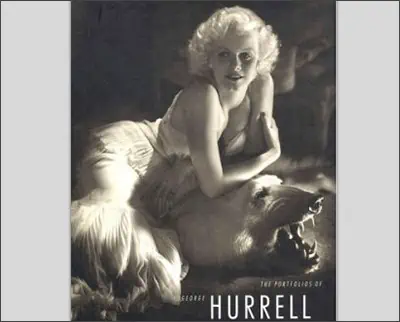
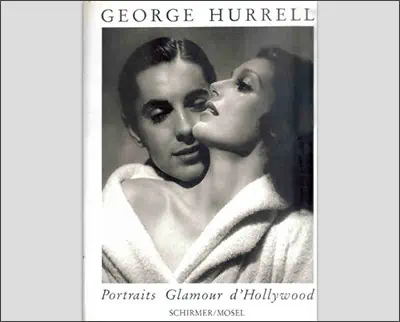
📸 Did you know?
George Hurrell’s work helped to shape the image of Hollywood glamour in the 1930s and 1940s.
Biography of George Hurrell
Early Life and Education
George Edward Hurrell was born on June 1, 1904, in Cincinnati, Ohio. Raised in a well-to-do family, Hurrell developed an early interest in painting and drawing, which laid the foundation for his later career in photography.
His pursuit of art led him to study at the Art Institute of Chicago, where he honed his skills and developed a deep appreciation for the visual arts.
Transition to Photography
Hurrell’s journey into photography began in the 1920s. Initially, his interest in photography was simply as a means to capture images for his paintings. However, he soon realized the potential of photography as an art form in its own right.
His transition from painting to photography marked the beginning of a legendary career in Hollywood.
Move to California and Entry into Hollywood
In the late 1920s, Hurrell moved to Laguna Beach, California, where he became part of the art community and began taking portraits of local artists and socialites.
His big break came when he photographed the aspiring actress Norma Shearer. Shearer was so impressed with Hurrell’s work that she convinced her husband, MGM producer Irving Thalberg, to hire him. This marked the start of Hurrell’s long and illustrious association with Hollywood.
Hollywood’s Golden Age Photographer
In the 1930s and 1940s, Hurrell became the premier portrait photographer of Hollywood’s Golden Age. He was hired by MGM, where he created portraits that helped define the image of numerous film stars, including Clark Gable, Joan Crawford, Marlene Dietrich, and Greta Garbo.
Hurrell’s photographs were not just mere portraits but carefully crafted images that enhanced the allure and glamour of Hollywood’s elite.
Artistic Style and Techniques
Hurrell’s photographic style was characterized by dramatic lighting, strong contrasts, and an emphasis on sculpting the subject with light and shadow. His approach gave his portraits a dream-like, almost ethereal quality that became the hallmark of his work.
He was a master at using light to create mood and emotion, transforming his subjects into larger-than-life figures.
Impact on Hollywood and Photography
Hurrell’s work had a significant impact on the way stars were perceived by the public. His photographs contributed to the mystique and allure of Hollywood during its Golden Age.
He played a crucial role in creating the star-making machinery of the studio system, where image and appearance were paramount.
Career Challenges and Resurgence
Despite his success, Hurrell left MGM in the late 1930s due to creative differences and began working for other studios and freelance assignments.
His career faced challenges in the post-war era, as the glamour of the Golden Age began to fade, and new styles of filmmaking and photography emerged. However, Hurrell experienced a resurgence in popularity in the 1960s and 1970s as a new generation of artists and filmmakers rediscovered his work.
Later Life and Legacy
Hurrell continued working until his death, photographing contemporary celebrities and producing work that echoed the style he had perfected in the 1930s and 1940s. He passed away on May 17, 1992, in Los Angeles, California.
George Hurrell’s legacy lies in his ability to capture and enhance the glamour of Hollywood’s biggest stars. His work is a testament to the power of photographic art in shaping public perceptions and creating enduring images.
Today, his photographs are celebrated for their artistry and are considered iconic representations of Hollywood’s Golden Age. Hurrell’s influence continues to be felt in portrait photography and in the enduring allure of classic Hollywood glamour.