Harry Benson [1929 – Present] is a renowned Scottish photographer celebrated for his intimate and iconic images of celebrities, politicians, and historical events.
Born in Glasgow, Scotland, Benson initially pursued journalism before transitioning to photography.
He gained fame for his coverage of The Beatles’ first American tour in 1964, capturing some of the most famous images of the band, including their pillow fight in a Paris hotel.
Over his long career, Benson has photographed every U.S. president from Dwight D. Eisenhower to Donald Trump, and covered significant events such as the Civil Rights Movement, the assassination of Robert F. Kennedy, and the rise of the Berlin Wall.
His work is marked by its access, immediacy, and emotional depth, making him one of the most important photojournalists of the 20th century.
Read the full Biography below.
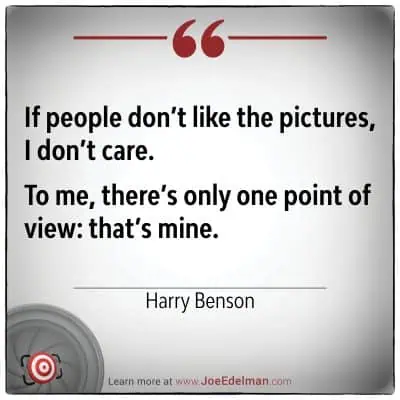
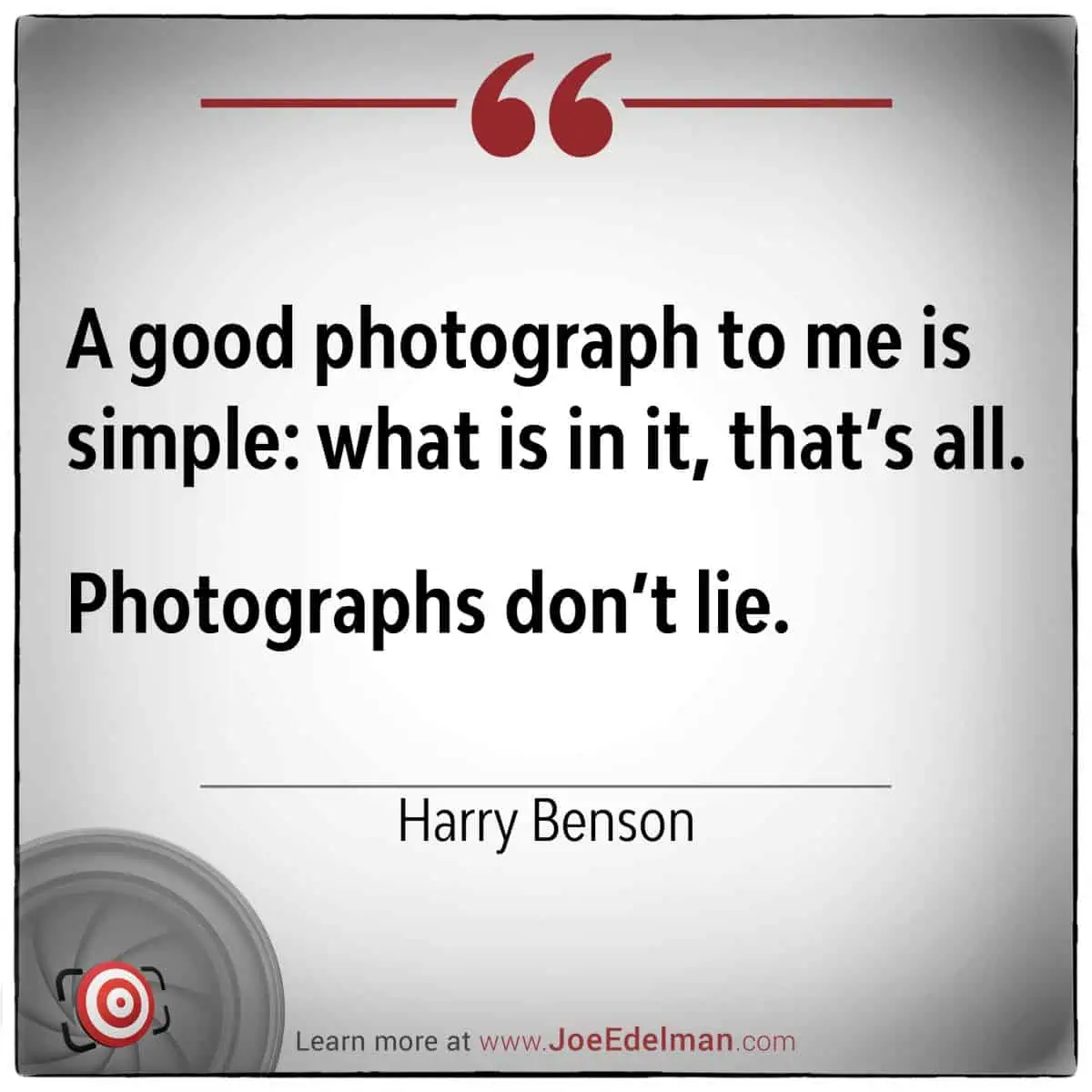
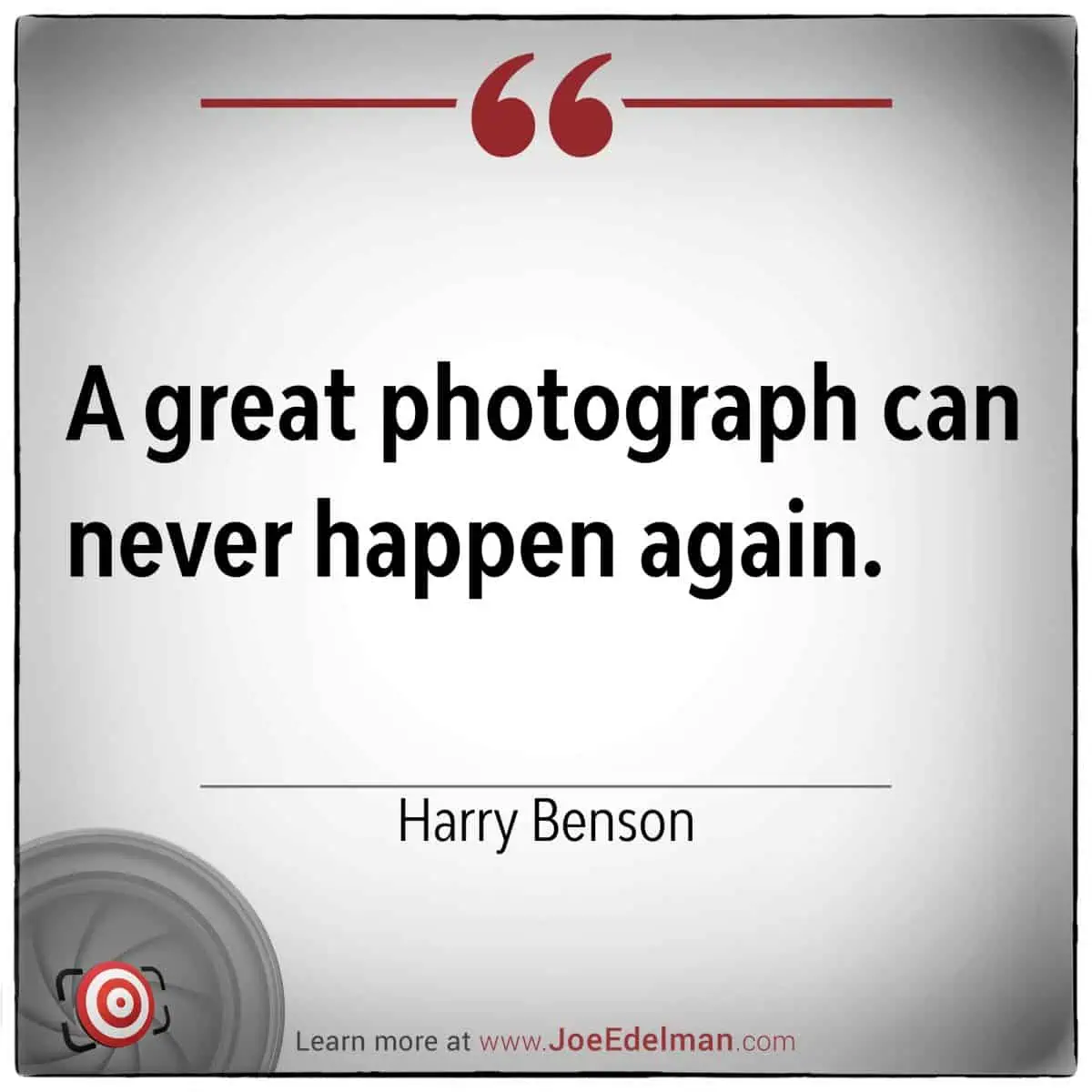
Photography Quotes From Harry Benson
📸 Did you know?
Harry Benson was originally planning to quit his job as a photojournalist when he was assigned to cover The Beatles’ first trip to America in 1964. This assignment, which included his famous photo of the band having a pillow fight in a hotel room, launched him into the spotlight and led to a long and illustrious career.
Videos about Harry Benson
📸 Did you know?
Benson was just a few feet away from Robert F. Kennedy when he was assassinated in 1968, and he captured some of the most harrowing images from the scene. His photographs from that night are among the most iconic and somber records of the event.
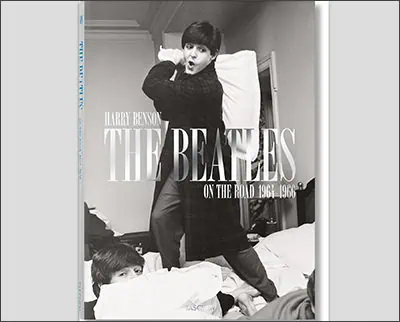
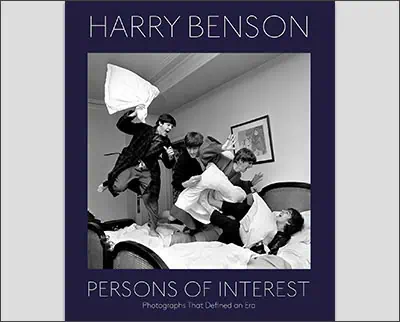
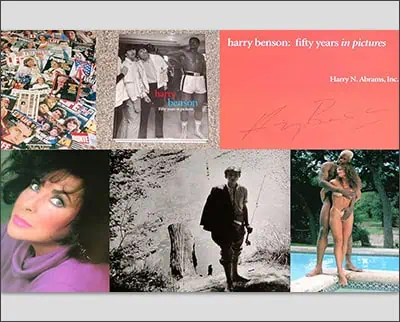
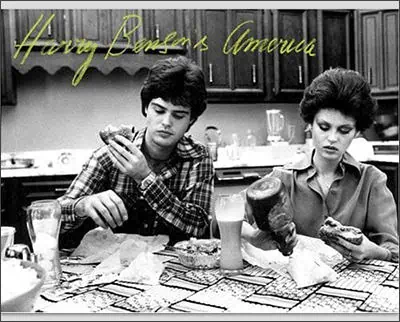
Photography Books: Harry Benson
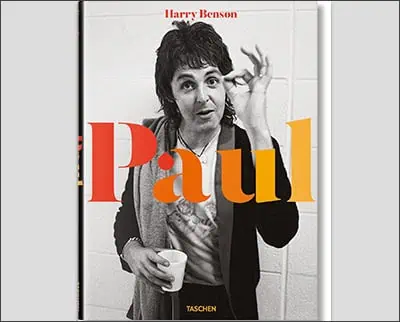
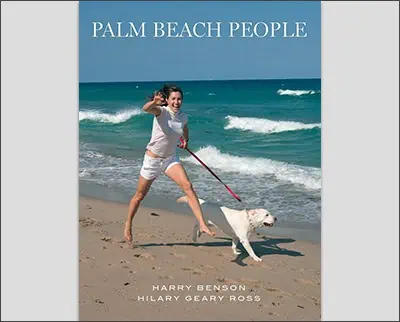
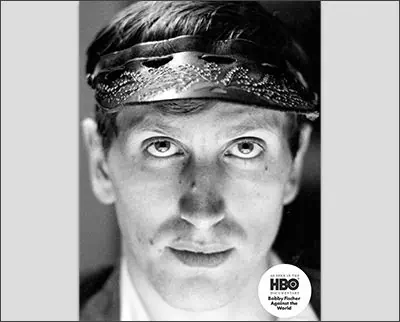
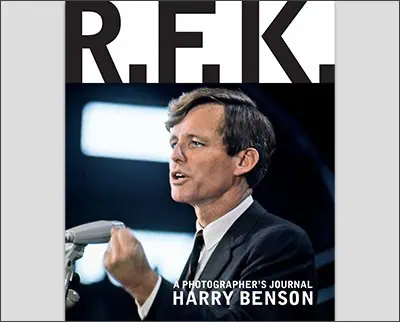
📸 Did you know?
Benson has photographed every U.S. president from Dwight D. Eisenhower to Joe Biden, making him one of the few photographers to have documented such an extensive range of American political history.
Biography of Harry Benson
Early Life and Introduction to Photography
Harry James Benson was born on December 2, 1929, in Glasgow, Scotland.
Growing up in the working-class neighborhood of Gorbals, Benson experienced the hardships of life in post-war Scotland.
Despite these challenges, his early fascination with storytelling and imagery led him to explore photography as a means of expression.
Benson’s introduction to photography came through his work as a journalist for the Hamilton Advertiser, where he initially wrote news stories. Realizing the power of images to tell stories, he soon picked up a camera and began documenting events around him.
Early Career in Scotland and London
Benson’s career as a photojournalist began in earnest in the 1950s when he worked for several Scottish newspapers.
His early assignments covered a wide range of topics, from local news to sports, giving him valuable experience and honing his skills as a photographer.
In 1958, Benson moved to London, where he joined the Daily Express as a staff photographer. This move marked a significant turning point in his career, as it brought him into contact with major national and international events.
During his time at the Daily Express, Benson covered a variety of high-profile stories, including political events, celebrity news, and cultural happenings. His ability to capture the essence of a moment with his camera quickly made him one of the most sought-after photographers in the UK.
His work during this period was characterized by its dynamic composition, keen sense of timing, and ability to convey the drama and emotion of his subjects.
The Beatles and International Fame
Benson’s career reached new heights in 1964 when he was assigned to photograph The Beatles on their first American tour.
The resulting images captured the raw energy and excitement of Beatlemania, as well as the personalities of the band members.
One of Benson’s most iconic photographs from this period is the image of The Beatles having a pillow fight in a Paris hotel room. This photograph, which perfectly encapsulated the youthful exuberance of the band, became one of the defining images of the 1960s.
The success of his Beatles photographs catapulted Benson to international fame and led to numerous other high-profile assignments.
Over the years, he photographed some of the most significant figures and events of the 20th century, including every U.S. president from Dwight D. Eisenhower to Donald Trump, as well as figures such as Winston Churchill, Queen Elizabeth II, Muhammad Ali, and Michael Jackson.
Coverage of Major Events and Historical Moments
Benson’s career has been marked by his presence at some of the most important events in modern history.
He was in the room when Robert F. Kennedy was assassinated in 1968, capturing the chaotic and tragic moments that followed. His photographs from that night are among the most powerful and haunting images of the era. Benson’s ability to be in the right place at the right time, combined with his keen eye for detail, has allowed him to document history in a way few others have.
In addition to political events, Benson covered the civil rights movement in the United States, the Vietnam War, the Troubles in Northern Ireland, and the rise of the Berlin Wall.
His work as a photojournalist took him to more than 100 countries, where he documented the lives of people from all walks of life.
Benson’s photographs are characterized by their immediacy and emotional impact, often providing viewers with a deeply personal connection to the events and people he captured.
Photographic Style and Techniques
Harry Benson’s photographic style is marked by its spontaneity, directness, and emotional depth.
He is known for his ability to capture candid moments that reveal the true nature of his subjects, whether they are world leaders, celebrities, or ordinary people.
Benson’s approach to photography is deeply rooted in his background as a journalist; he believes in telling the story as it unfolds, without artifice or manipulation.
Benson often works quickly and unobtrusively, allowing his subjects to forget about the camera and act naturally.
This method has resulted in some of the most iconic images of the 20th and 21st centuries, images that are both visually striking and emotionally resonant.
His use of natural light, dynamic composition, and a keen sense of timing have made his photographs instantly recognizable.
Books and Exhibitions
Throughout his career, Harry Benson has published numerous books showcasing his extensive work.
Some of his most notable publications include Harry Benson: 50 Years in Pictures (2009), Harry Benson: Persons of Interest (2017), and The Beatles: On the Road 1964-1966 (2003).
These books highlight Benson’s talent as a photographer and serve as important historical documents that chronicle the cultural and political changes of the last six decades.
Benson’s work has been exhibited in major galleries and museums worldwide, including the Smithsonian National Portrait Gallery in Washington, D.C., the Scottish National Portrait Gallery in Edinburgh, and the Lumiere Brothers Center for Photography in Moscow.
His exhibitions have drawn large audiences, attracted by the power and immediacy of his images.
Awards and Recognition
Benson has received numerous awards and honors for his contributions to photography and journalism.
In 2009, he was appointed a Commander of the Order of the British Empire (CBE) by Queen Elizabeth II for his services to photography.
He has also been honored with the Lifetime Achievement Award from the Scottish Press Photography Awards and the Lucie Award for Achievement in Photojournalism.
Benson’s photographs have been published in leading magazines and newspapers around the world, including Life, Time, Newsweek, Vanity Fair, and The New Yorker.
His work has had a lasting impact on the field of photojournalism, inspiring generations of photographers to pursue their craft with the same passion and dedication.
Legacy and Impact
Harry Benson’s legacy lies in his extraordinary ability to capture the defining moments of modern history with empathy, insight, and artistic vision.
His photographs have become an integral part of the visual record of the 20th and 21st centuries, providing future generations with a window into the past.
Benson’s influence extends beyond his images; his commitment to truth, storytelling, and the human experience has set a standard for photojournalism that continues to inspire.
Current Work and Future Projects
As of the present day, Harry Benson remains active in the photography world, continuing to work on new projects and exhibitions.
His passion for capturing the world’s most significant events and people has not waned, and his work continues to be celebrated for its historical importance and artistic merit.
Conclusion
Harry Benson’s career is a testament to the power of photography to document history, capture the essence of humanity, and tell compelling stories.
Through his iconic images of The Beatles, world leaders, and pivotal moments in history, Benson has left an indelible mark on the world of photography.
His ability to be at the center of events, combined with his keen eye for detail and emotion, has made him one of the most respected and influential photographers of his time.
Benson’s legacy is one of excellence, dedication, and a profound understanding of the power of images to shape our understanding of the world.