Harry Callahan [1912 – 1999] was an American photographer renowned for his innovative and diverse approach to the medium.
Born in Detroit, Michigan, Callahan took up photography in the late 1930s and quickly developed a unique style that emphasized experimentation and personal vision.
His work often explored themes of nature, cityscapes, and intimate portraits, particularly of his wife Eleanor and daughter Barbara.
Callahan’s photographs are characterized by their meticulous composition and exploration of light and form.
He was a significant figure in photographic education, teaching at the Institute of Design in Chicago and later at the Rhode Island School of Design.
Callahan’s influence extended through his teachings and his body of work, which has been exhibited extensively and is held in major museum collections worldwide.
Read the full Biography below.
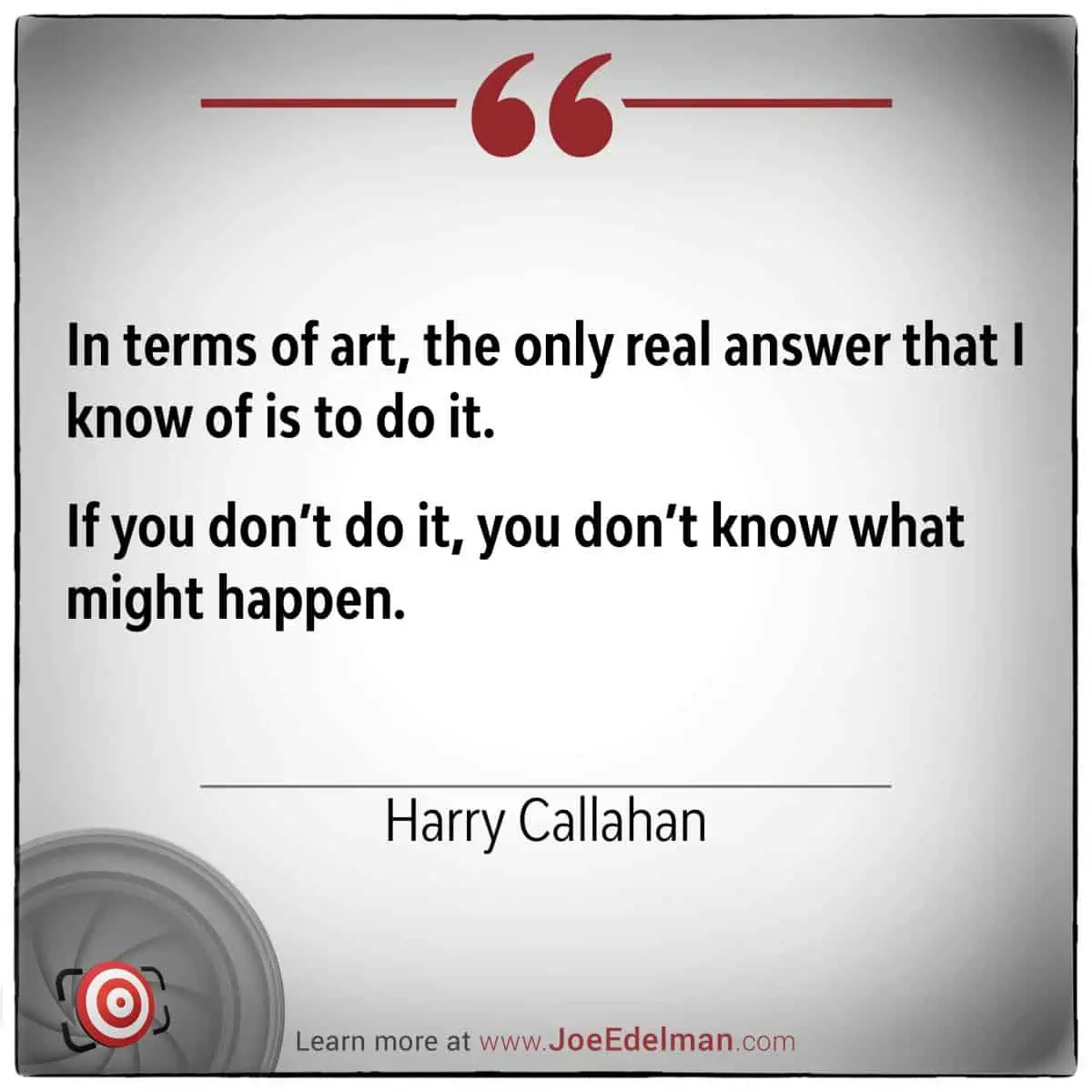
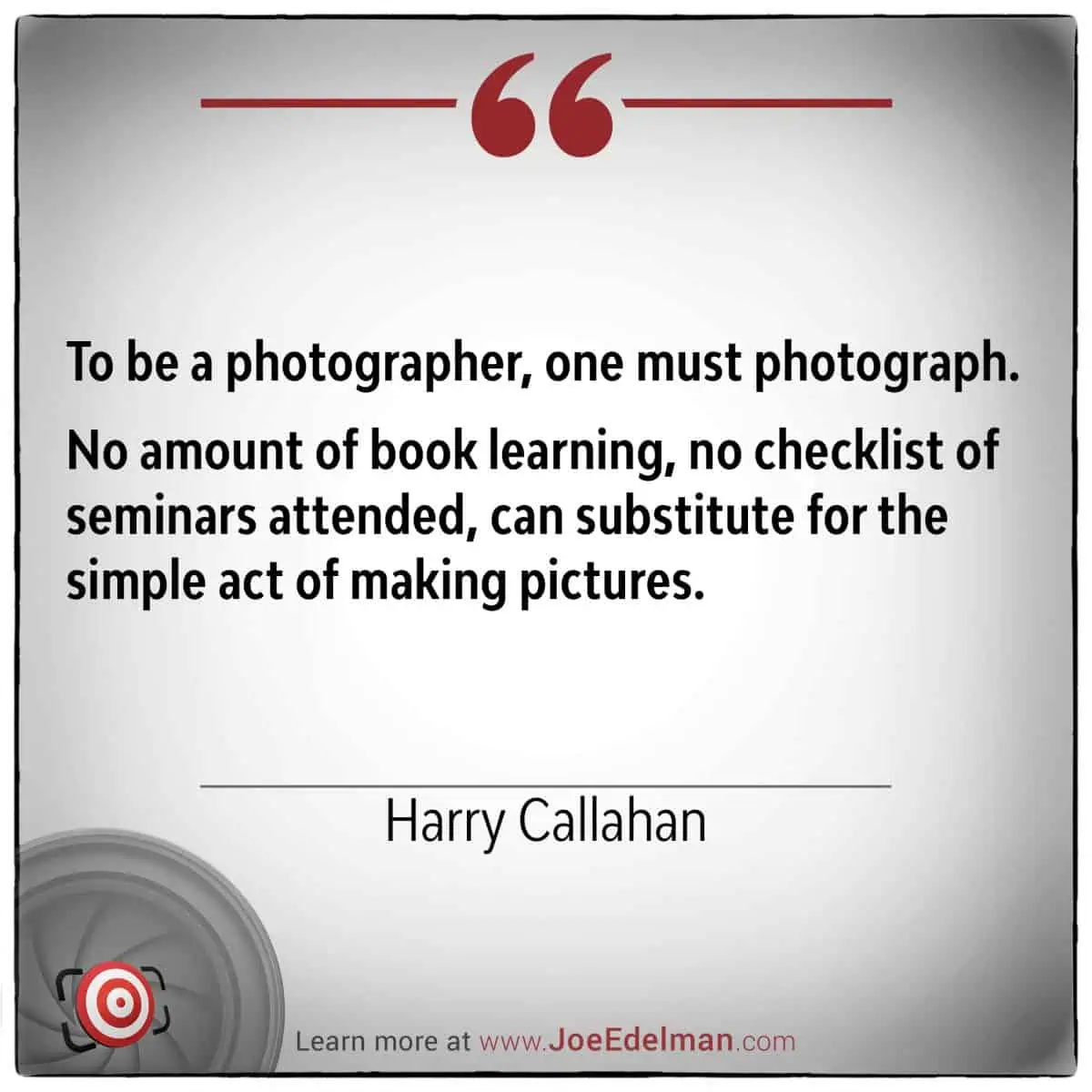
Photography Quotes From Harry Callahan
📸 Did you know?
Harry Callahan was largely self-taught and initially took up photography as a hobby while working at Chrysler. His passion for photography grew so strong that he eventually left his job to pursue it full-time, despite having no formal training.
Videos about Harry Callahan
📸 Did you know?
Callahan’s wife, Eleanor, was a frequent subject of his photographs, and he captured her in a wide variety of styles and settings over several decades. These intimate portraits are considered some of his most personal and compelling works..
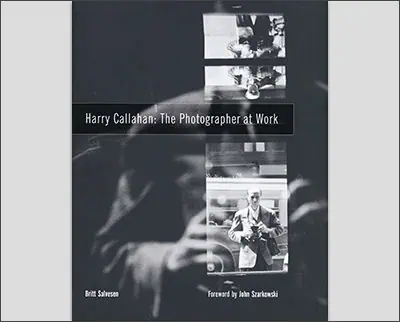
Photography Books: Harry Callahan
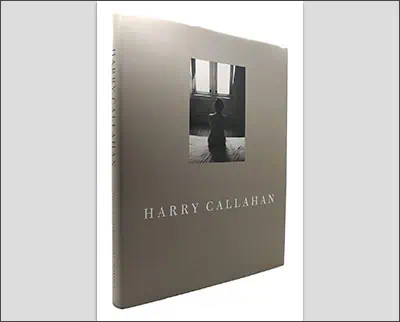
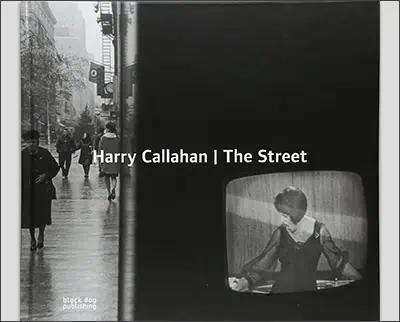
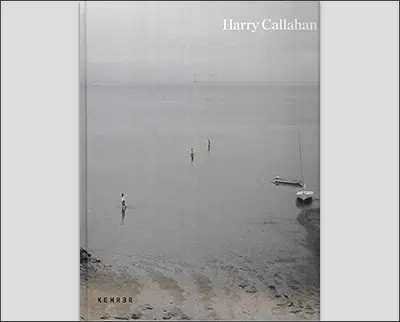
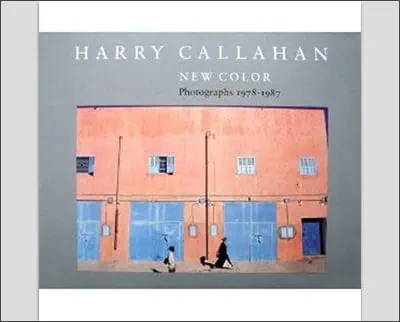
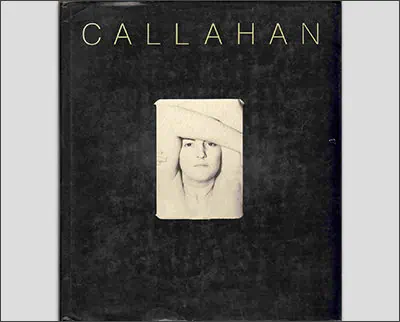
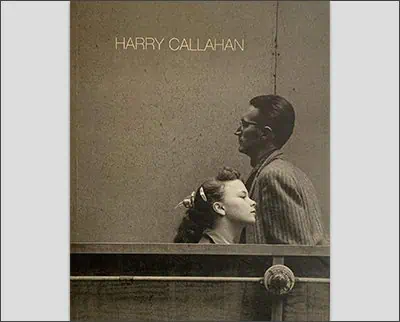
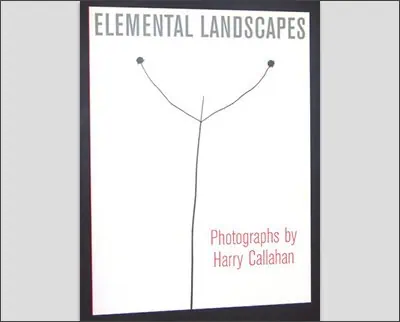
📸 Did you know?
Despite his significant contributions to the field of photography, Callahan was known for his modesty and shyness. He rarely gave interviews and preferred to let his work speak for itself, focusing on the artistic process rather than seeking fame.
Biography of Harry Callahan
Early Life and Introduction to Photography
Harry Morey Callahan was born in Detroit, Michigan on October 22, 1912.
Raised in a working-class family, Callahan exhibited an early interest in the arts, though it was not until his adult years that he would fully immerse himself in photography.
After graduating from high school, Callahan attended Michigan State University for a short period but left to work as a clerk at the Chrysler Corporation.
Introduction to Photography and Early Influences
Callahan’s journey into photography began in 1938 when he joined the Chrysler Camera Club.
He was largely self-taught, learning through experimentation and reading photography magazines.
A pivotal moment in his early career came in 1941 when he attended a workshop led by Ansel Adams at the Detroit Photo Guild.
Adams’s emphasis on technical precision and the creative potential of photography left a lasting impression on Callahan.
World War II and the Institute of Design
During World War II, Callahan served in the U.S. Navy but continued to develop his photographic skills whenever possible.
After the war, in 1946, he was invited by László Moholy-Nagy to teach at the Institute of Design in Chicago, formerly known as the New Bauhaus.
This opportunity allowed Callahan to transition from amateur to professional photographer and educator.
The innovative and experimental environment at the Institute of Design profoundly influenced Callahan’s approach to photography, encouraging him to explore new techniques and concepts.
Photographic Style and Techniques
Harry Callahan is known for his experimental and innovative approach to photography.
His work spans various styles and techniques, including multiple exposures, high-contrast printing, and the use of different cameras and formats.
Callahan’s photographs often explore themes of urban life, nature, and the human form.
He is particularly renowned for his black-and-white images of his wife, Eleanor, which convey intimacy and simplicity.
One of Callahan’s signature techniques was his use of multiple exposures, where he superimposed several images onto a single frame.
This method allowed him to create complex, layered compositions that challenged traditional photographic conventions.
Callahan also experimented with high-contrast and solarized prints, pushing the boundaries of tonal range and abstraction in his work.
Major Projects and Series
Callahan’s most notable body of work includes the series of portraits of his wife, Eleanor, and their daughter, Barbara.
These intimate photographs, taken over several decades, capture the daily life and evolving relationship of his family.
The images are celebrated for their simplicity, elegance, and emotional depth, showcasing Callahan’s ability to find beauty in the mundane.
Another significant series is his urban landscapes, particularly those taken in Chicago and later in Providence, Rhode Island.
Callahan’s cityscapes often feature stark contrasts, geometric patterns, and reflections, highlighting the interplay between light and shadow in the urban environment.
His nature studies, including photographs of trees, grasses, and water, reveal a similar fascination with form and texture, combining a keen eye for detail with a deep appreciation for natural beauty.
Teaching and Influence
In 1961, Callahan accepted a teaching position at the Rhode Island School of Design (RISD), where he remained until his retirement in 1977.
As a teacher, Callahan was known for his encouragement of creativity and experimentation.
He inspired many students to explore their unique visions and pushed the boundaries of their work.
Callahan’s influence extended beyond his students, as his innovative techniques and approach to photography left a lasting impact on the field.
Awards and Recognition
Throughout his career, Harry Callahan received numerous awards and accolades for his contributions to photography.
In 1978, he was awarded the prestigious National Medal of Arts by President Ronald Reagan.
His work has been exhibited in major museums and galleries worldwide, including the Museum of Modern Art in New York, the Art Institute of Chicago, and the National Gallery of Art in Washington, D.C.
Callahan’s photographs are part of many important collections and continue to be studied and celebrated for their artistic and technical achievements.
Legacy and Impact
Harry Callahan’s legacy in photography is characterized by his relentless experimentation and dedication to the medium.
His ability to combine technical precision with artistic expression has inspired countless photographers.
Callahan’s work demonstrates the potential of photography to explore both the external world and internal emotions, bridging the gap between documentary and fine art photography.
Later Years and Death
In his later years, Callahan continued to photograph and exhibit his work.
He spent his retirement years in Atlanta, Georgia, where he remained active in the photographic community.
Harry Callahan passed away on March 15, 1999, leaving behind a profound body of work that continues to influence and inspire.
Conclusion
Harry Callahan’s career is a testament to the power of photography as an art form.
Through his innovative techniques and experimental approach, he expanded the possibilities of the medium and created a diverse and deeply personal body of work.
Callahan’s photographs, whether intimate portraits of his family or abstract urban landscapes, capture the beauty and complexity of the world with clarity and grace.
His legacy as a photographer and educator endures, reminding us of the endless potential for creativity and exploration within the realm of photography.