Henri Cartier-Bresson [1908-2004] was a French photographer often regarded as the father of modern photojournalism and a pioneer of the candid photography style.
Born in Chanteloup-en-Brie, France, he studied painting before dedicating himself to photography in the early 1930s. In 1947, Cartier-Bresson co-founded Magnum Photos, a cooperative agency that allowed photographers greater creative freedom.
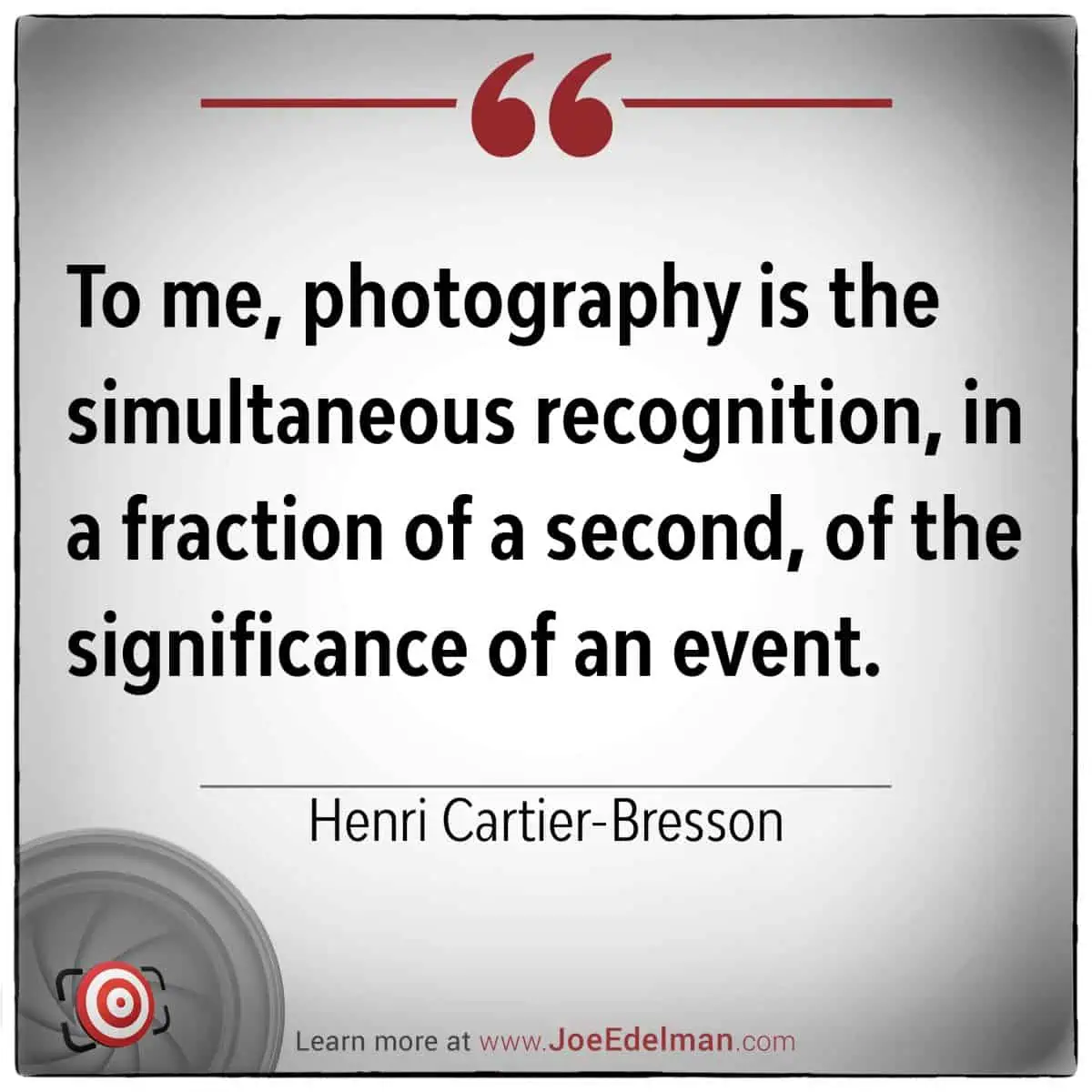
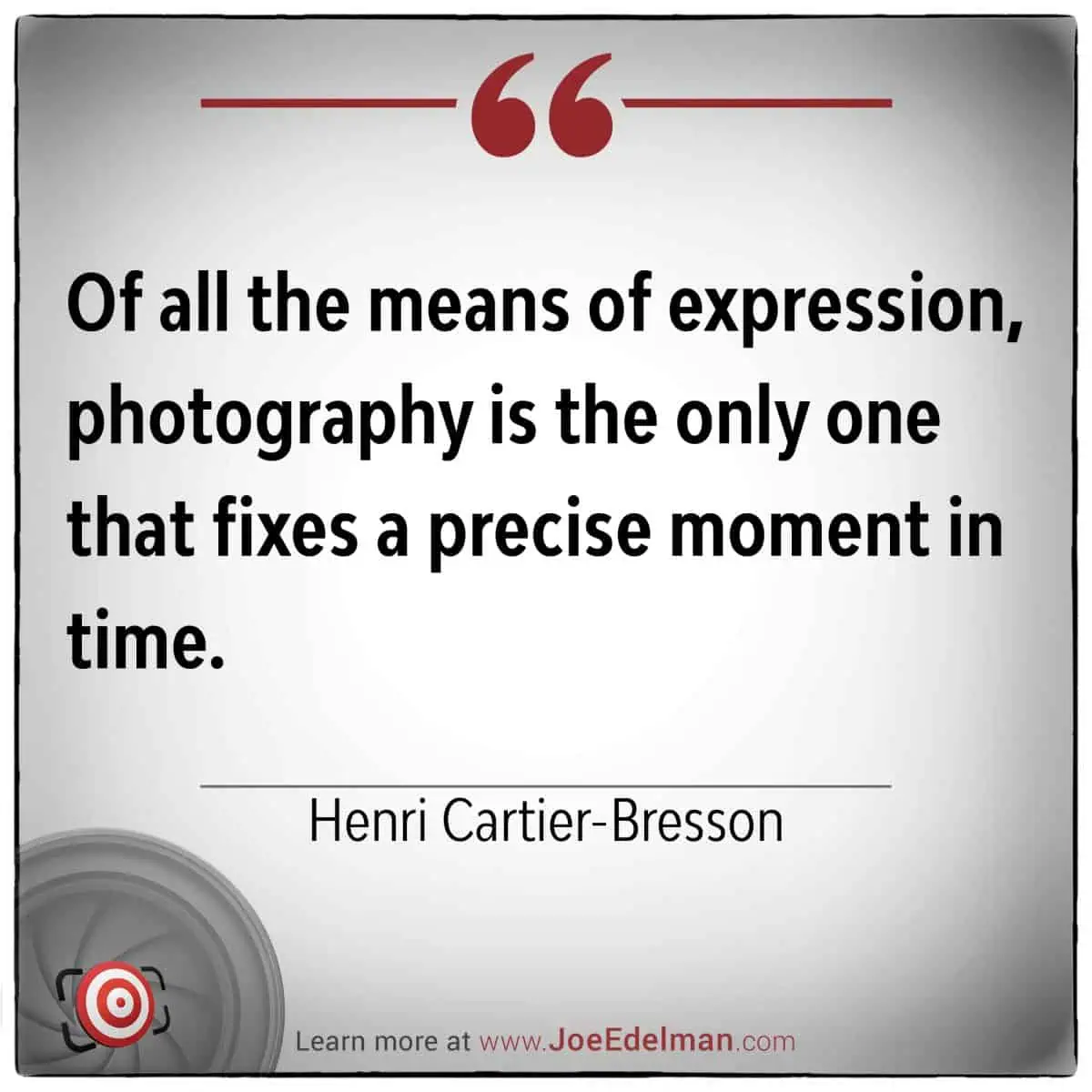
Known for his concept of the “decisive moment,” he captured fleeting, meaningful instances that revealed the essence of a scene or subject.
Using a Leica 35mm camera, he traveled extensively, documenting historical events such as the liberation of Paris and the Chinese Revolution.
His work is characterized by its masterful composition and timeless humanism. Cartier-Bresson’s photographs have been widely exhibited, and his legacy continues to influence generations of photographers.
Read the full Biography below.
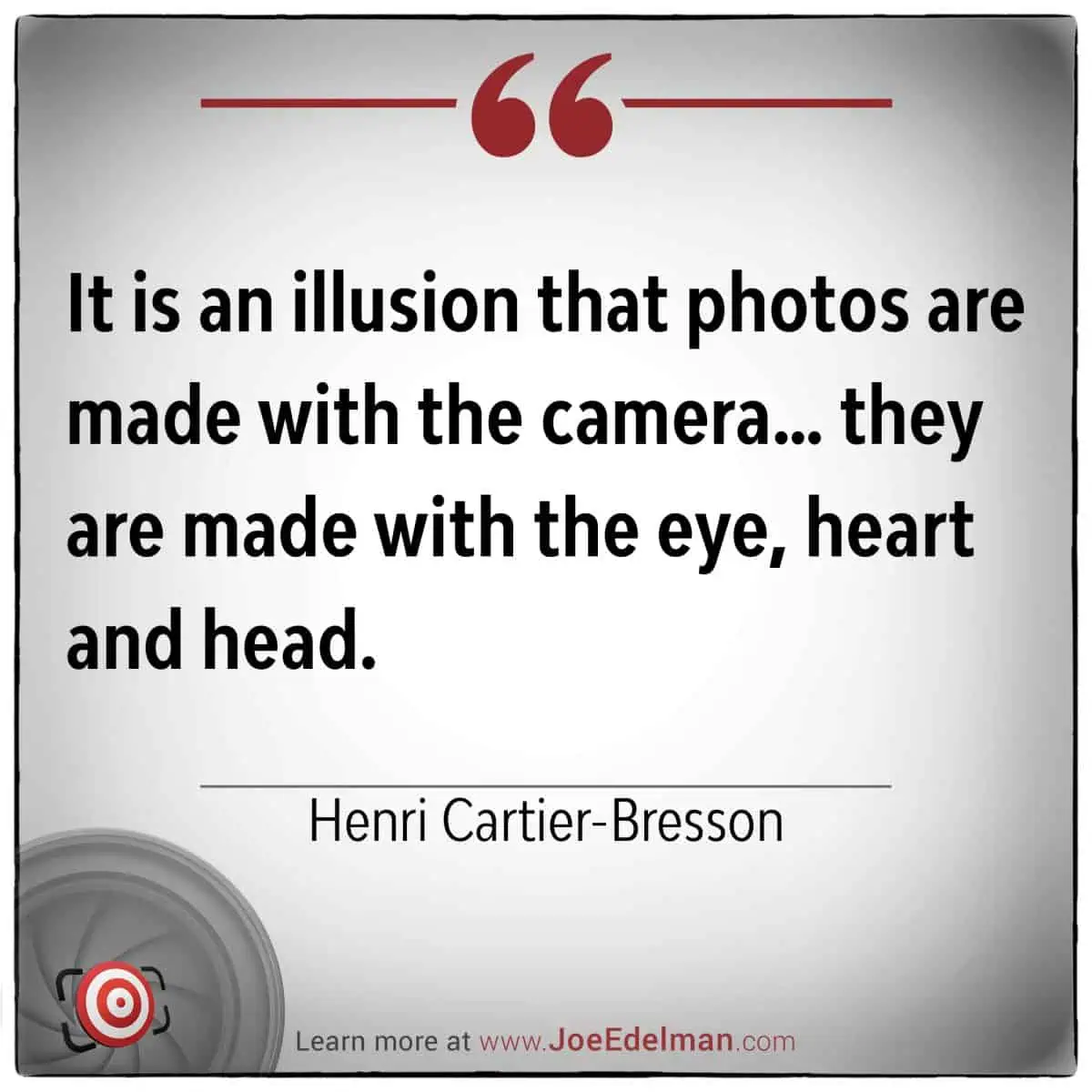
Photography Quotes From Henri Cartier-Bresson

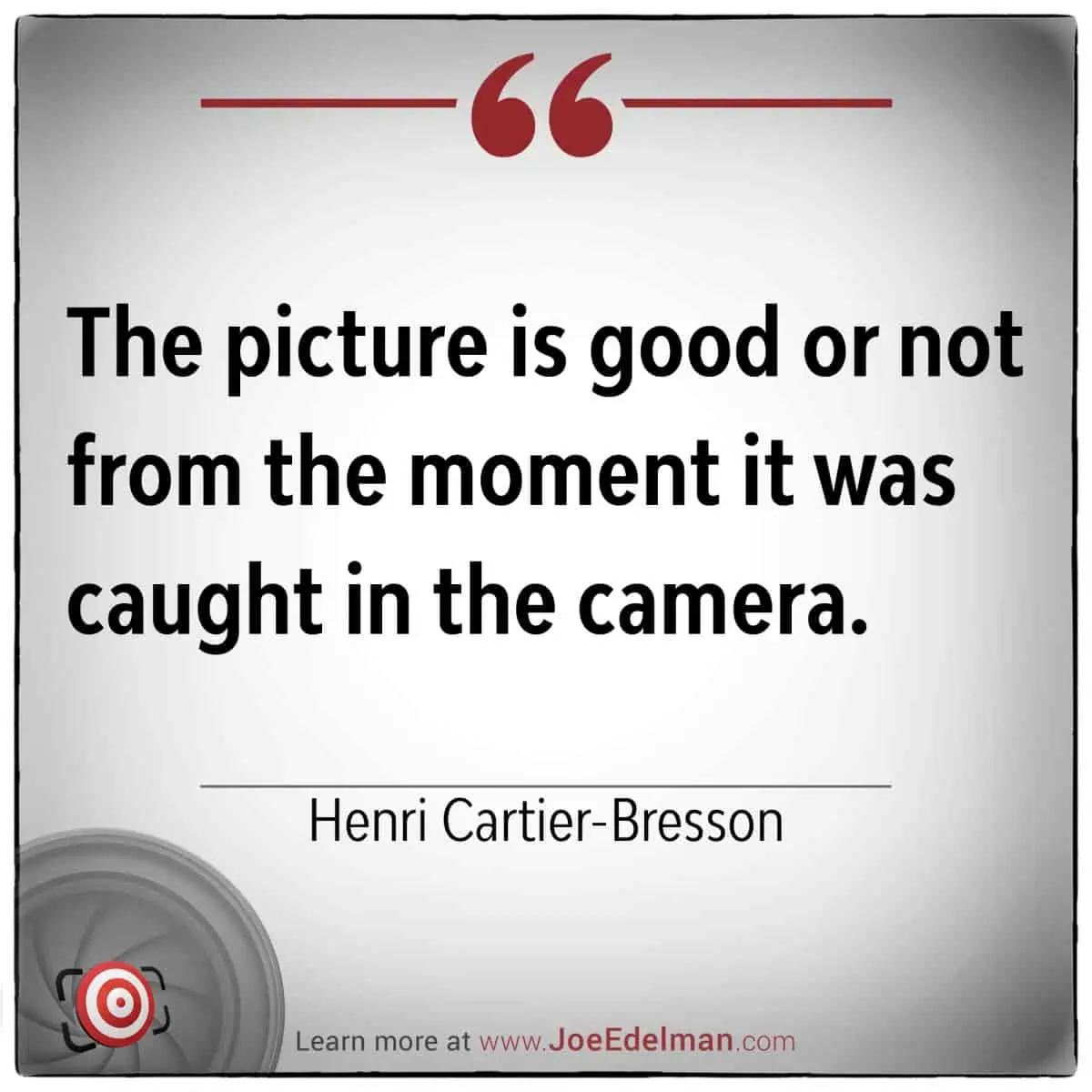
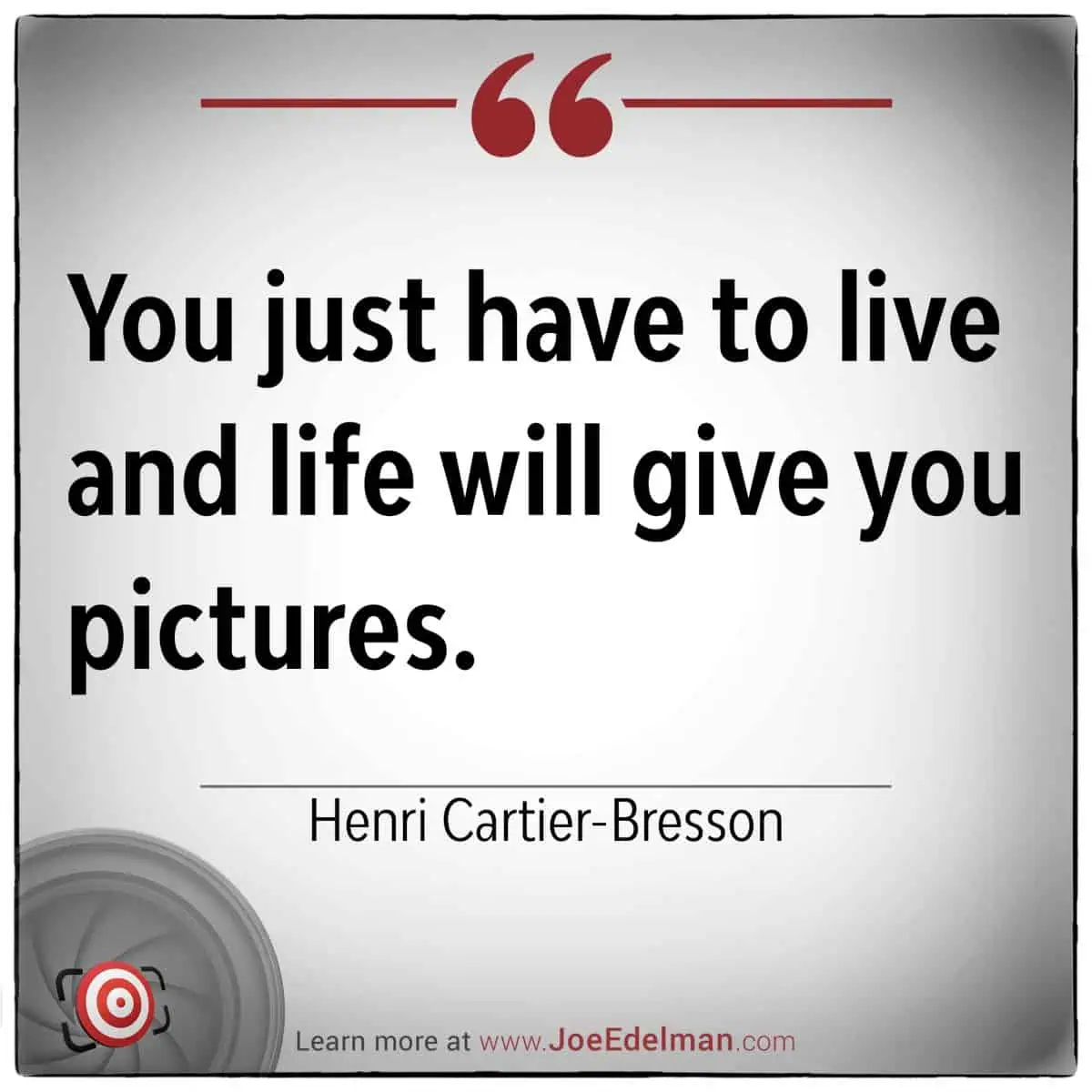
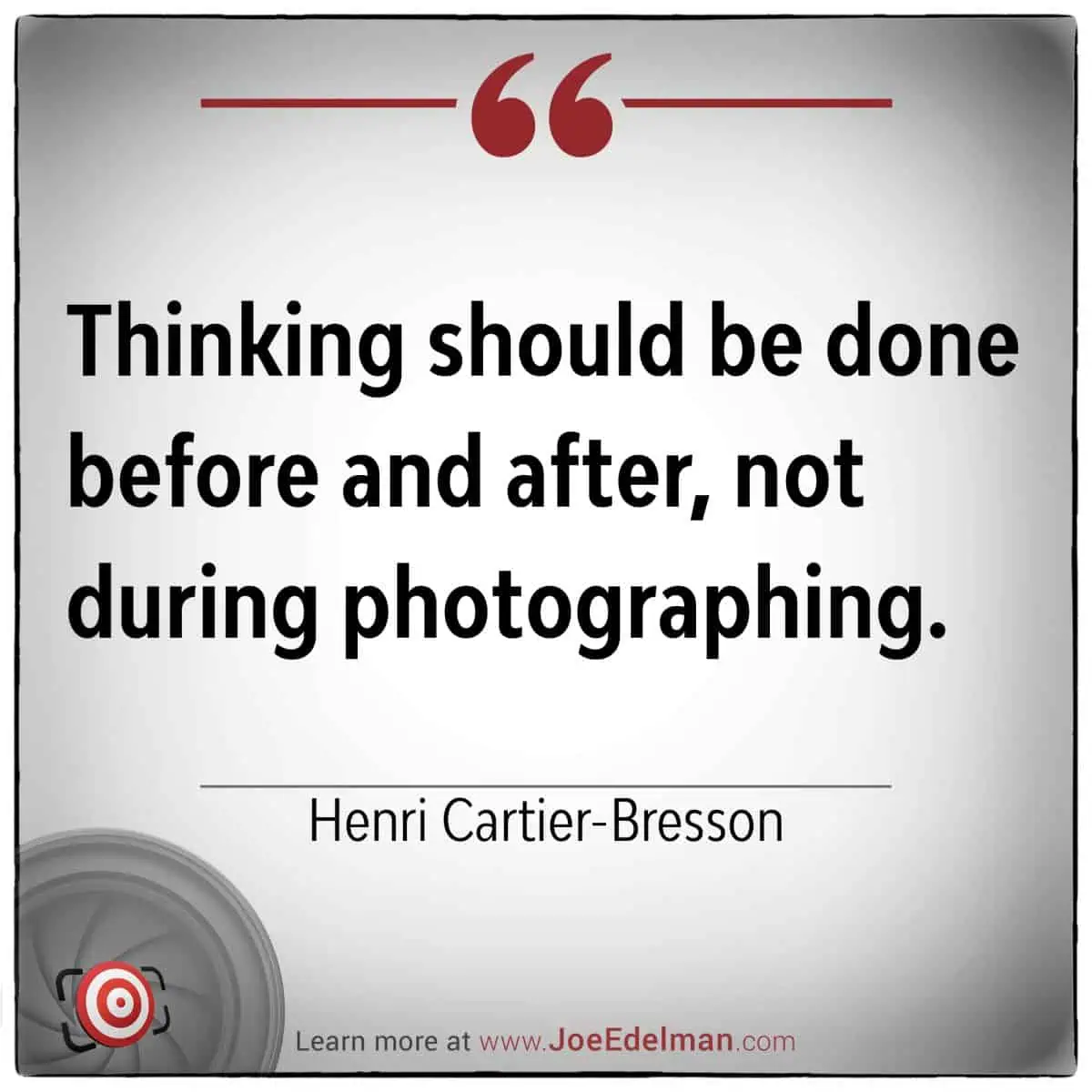
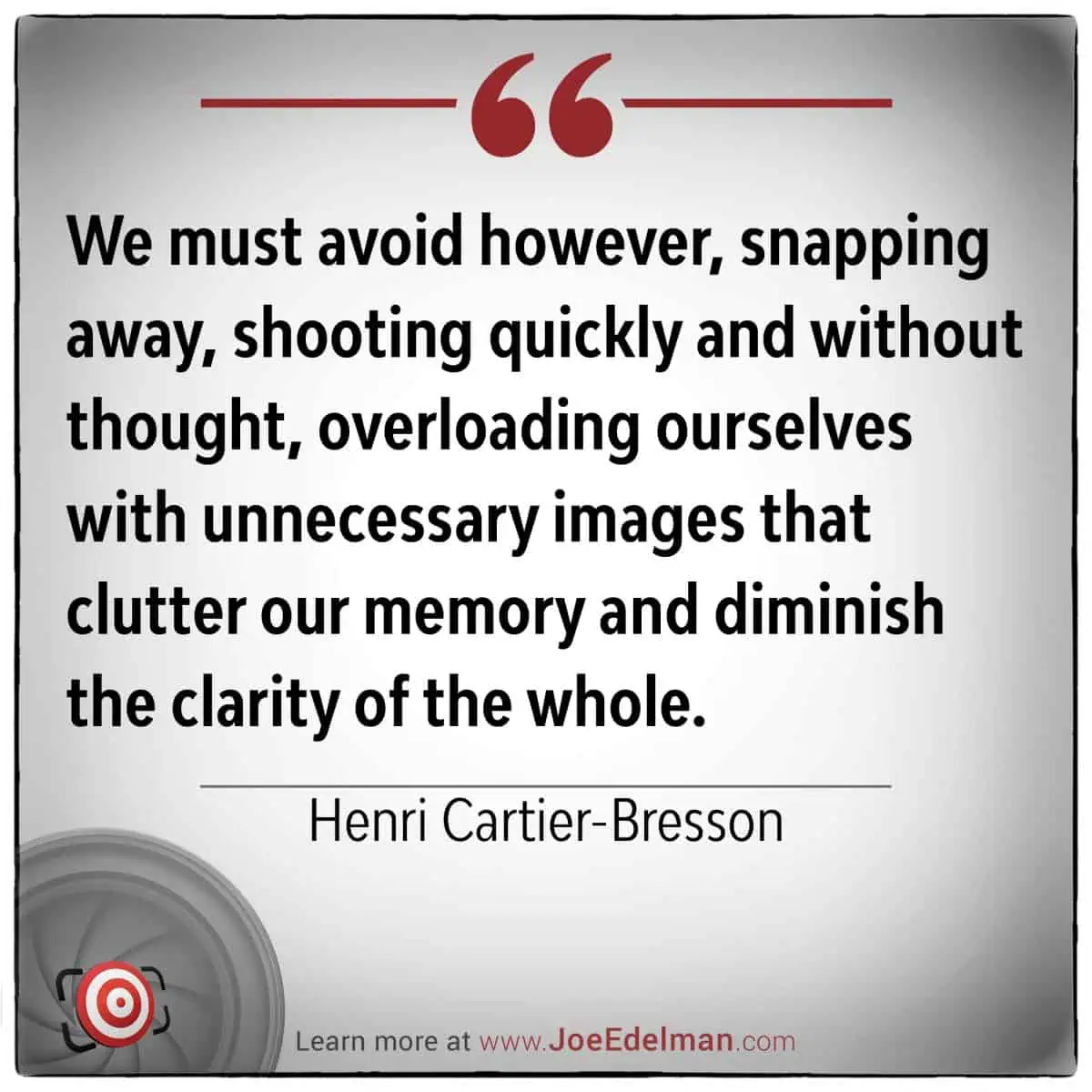

📸 Did you know?
Cartier-Bresson was captured by the Germans during World War II and spent nearly three years in a prisoner-of-war camp before escaping on his third attempt. His experiences during the war deeply influenced his perspective on humanity and his later photographic work.
Videos about Henri Cartier-Bresson
📸 Did you know?
Before becoming a photographer, Henri Cartier-Bresson studied painting and was deeply influenced by the Surrealist movement. This background shaped his approach to photography, emphasizing spontaneity and finding “the decisive moment.”
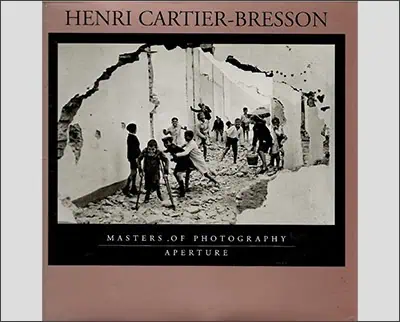
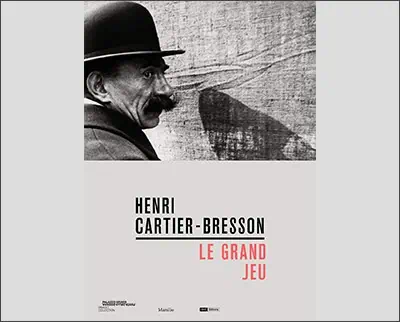
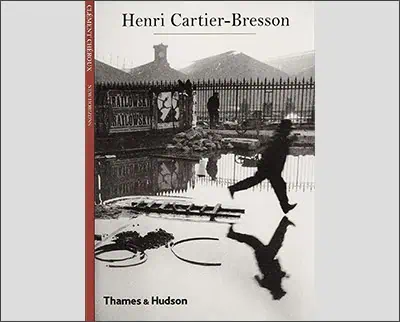
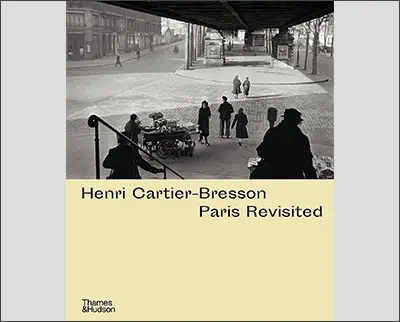
Photography Books: Henri Cartier-Bresson
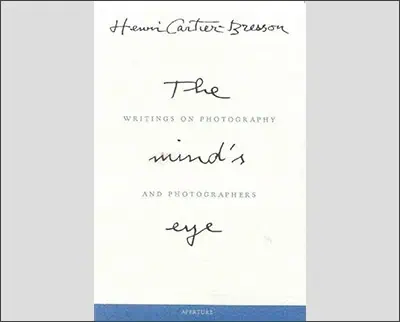
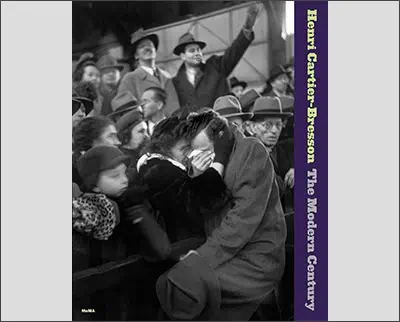
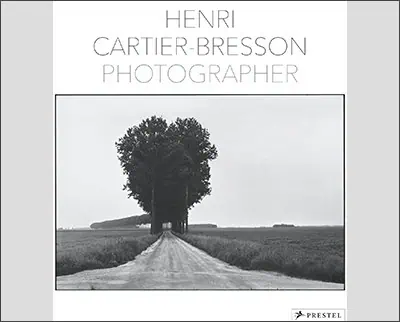
📸 Did you know?
Despite his immense contribution to photography, Cartier-Bresson considered himself more of an observer than an artist. He rarely cropped his images, believing that the integrity of the composition came from capturing the perfect frame in the moment.
Biography of Henri Cartier-Bresson
Early Life and Introduction to Photography
Henri Cartier-Bresson was born on August 22, 1908, in Chanteloup-en-Brie, a suburb of Paris, France.
He was the eldest of five children in a wealthy family, and his father ran a successful textile business. From an early age, Cartier-Bresson displayed an interest in the arts, particularly painting, which he pursued avidly in his youth.
He studied at a private art school and later trained under Cubist painter André Lhote, whose teachings profoundly influenced Cartier-Bresson’s sense of composition and visual balance.
Cartier-Bresson’s introduction to photography came in the late 1920s when he encountered a photograph by Hungarian photographer Martin Munkácsi.
The image’s spontaneity and dynamism inspired him to explore photography as a medium. However, it wasn’t until 1932, after purchasing a Leica 35mm camera, that Cartier-Bresson fully embraced photography.
The Leica became his lifelong tool, allowing him the mobility and discretion to capture candid moments on the streets of Paris and beyond.
Early Career and Influences
Cartier-Bresson’s early work was heavily influenced by surrealism, a movement he encountered during his time in Paris. The surrealists’ focus on chance encounters and the unconscious found its way into Cartier-
Bresson’s approach to photography was to capture fleeting, spontaneous moments that revealed the extraordinary in the everyday. This philosophy later became central to his concept of the “decisive moment.”
In 1935, Cartier-Bresson traveled to New York, where he exhibited his work alongside other emerging photographers. He also worked with filmmaker Paul Strand, sparking an interest in cinema.
This collaboration led to a brief career in filmmaking, during which Cartier-Bresson worked as an assistant to the renowned director Jean Renoir on films such as A Day in the Country (1936) and The Rules of the Game (1939).
World War II and Documentary Work
During World War II, Cartier-Bresson joined the French Army as a photographer but was soon captured by German forces in 1940. He spent nearly three years as a prisoner of war before escaping and joining the French Resistance. His experiences during the war deeply shaped his worldview and commitment to documenting the human condition.
After the war, Cartier-Bresson worked with the United Nations Relief and Rehabilitation Administration, photographing the aftermath of the conflict in Europe.
His images from this period captured the resilience of displaced people and the devastation wrought by war, marking a shift in his work toward a more documentary approach.
Magnum Photos and the Concept of the “Decisive Moment”
In 1947, Cartier-Bresson co-founded Magnum Photos, a cooperative agency dedicated to documentary photography, alongside Robert Capa, David “Chim” Seymour, George Rodger, and William Vandivert.
Magnum provided Cartier-Bresson with the platform to travel extensively and pursue long-term projects, capturing significant historical events and cultural moments across the globe.
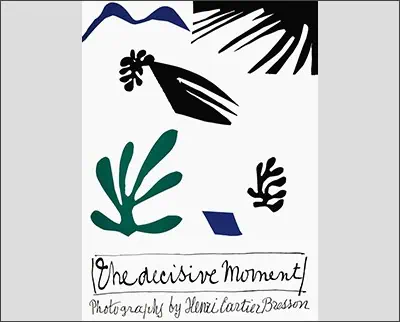
Cartier-Bresson articulated his philosophy of photography in his book The Decisive Moment (1952), originally titled Images à la Sauvette in French. The book outlined his belief that a photographer’s role was to capture the precise moment when all elements within a frame—light, composition, action—came together to create a perfect visual expression of a scene.
This concept became the cornerstone of his work and established him as a pioneer of modern photojournalism.
Major Projects and Iconic Images
Throughout his career, Cartier-Bresson documented some of the most significant events of the 20th century, including India’s independence and the assassination of Mahatma Gandhi in 1948, the Chinese Civil War in 1949, and the fall of the Berlin Wall in 1989.
His ability to blend into his surroundings and his patience in waiting for the right moment allowed him to create intimate and historically significant images.
One of his most iconic photographs is Behind the Gare Saint-Lazare (1932), which captures a man leaping across a puddle, perfectly framed by his reflection. The image epitomizes Cartier-Bresson’s “decisive moment” and remains one of the most celebrated photographs in history.
Exhibitions and Recognition
Cartier-Bresson’s work has been exhibited in major galleries and museums worldwide, including the Museum of Modern Art in New York, the Victoria and Albert Museum in London, and the Centre Pompidou in Paris. His retrospective at MoMA in 1947 was one of the first solo exhibitions of photography at the institution, marking a milestone in the recognition of photography as a fine art.
Over his lifetime, Cartier-Bresson received numerous accolades, including the Overseas Press Club of America Award and the International Center of Photography Infinity Award. In 1983, the French government awarded him the Grand Prix National de la Photographie.
Later Years and Legacy
In the 1970s, Cartier-Bresson retired from active photography to return to his first love, painting. However, he remained engaged with the photographic community, mentoring younger photographers and overseeing the preservation of his extensive archive.
In 2003, he and his wife, Martine Franck, established the Henri Cartier-Bresson Foundation in Paris to preserve his work and promote the art of photography.
Henri Cartier-Bresson passed away on August 3, 2004, at the age of 95. His death marked the end of an era, but his legacy as one of the most influential photographers of all time endures.
Impact and Influence
Henri Cartier-Bresson is often called the “father of modern photojournalism.” His work elevated street photography and documentary photography to the level of fine art, inspiring countless photographers to pursue storytelling through candid, unposed images.
His emphasis on composition, timing, and the decisive moment continues to influence photographers and artists across disciplines.
Conclusion
Henri Cartier-Bresson’s career is a testament to the power of photography to capture the essence of human experience.
He left an indelible mark on the medium through his innovative approach to visual storytelling and his unwavering commitment to documenting the world with authenticity. His images remain timeless, a celebration of life’s beauty, complexity, and fleeting nature.