Irving Penn [1917 – 2009] was an American photographer celebrated for his elegant and minimalist portraits, still lifes, and fashion photography.
Born in Plainfield, New Jersey, Penn studied under Alexey Brodovitch at the Philadelphia Museum School of Industrial Art.
His career took a significant turn when he began working for Vogue magazine, where his distinctive style of portraiture and innovative studio techniques quickly garnered acclaim.
Penn’s work is characterized by its simplicity, refined composition, and meticulous attention to detail, often isolating his subjects against a stark backdrop to striking effect.
Beyond fashion and celebrity portraits, he also explored ethnographic photography and still lifes, demonstrating a profound versatility and depth.
Penn’s influence on the art of photography is profound, with his works held in major collections worldwide, continually celebrated for their profound beauty and technical mastery.
Read the full Biography below.
Photography Quotes From Irving Penn
📸 Did you know?
Penn’s first job at Vogue magazine was as a designer for the layout department, not as a photographer. His photography career with Vogue began after he showed his photographs to Alexander Liberman, the art director, who then gave him his first assignment.
Videos about Irving Penn
📸 Did you know?
Irving Penn initially aspired to be a painter and studied drawing, painting, and industrial art at the Philadelphia Museum School of Industrial Art (now the University of the Arts) before ultimately finding his calling in photography.
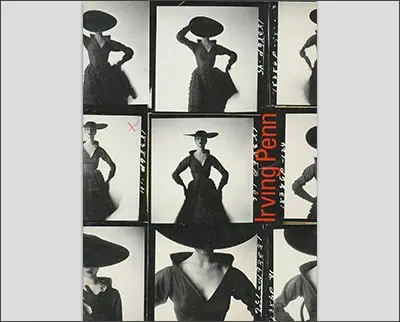
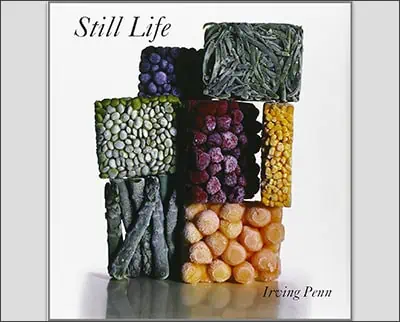
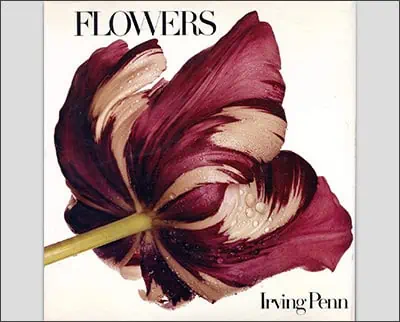
Books by Irving Penn
📸 Did you know?
Irving Penn was also an accomplished printmaker, dedicating much of his later career to mastering platinum-palladium printing.
Biography of Irving Penn
Early Life and Education
Irving Penn was born on June 16, 1917, in Plainfield, New Jersey, into a Russian Jewish family.
His interest in art was evident from an early age, leading him to study drawing, painting, and industrial design at the Pennsylvania Museum and School of Industrial Art (now part of the University of the Arts in Philadelphia) from 1934 to 1938.
Penn discovered his passion for photography during his studies, which would come to define his career.
Early Career and Vogue
Penn’s professional journey began in New York, where he worked as a freelance designer and illustrator.
His big break came in 1943 when Alexander Liberman, the art director of Vogue magazine, hired him as an assistant.
Penn’s first cover for Vogue was published on October 1, 1943, marking the start of a prolific career that would span nearly seven decades.
Over the years, he created more than 150 covers for the magazine, revolutionizing fashion photography with his elegant and minimalist aesthetic.
Photographic Style and Innovations
Penn is renowned for his clean, simplified compositions that often feature striking contrasts and meticulous attention to detail.
His innovative approach to fashion photography, characterized by its focus on the elegance and personality of his subjects, set new standards for the industry.
Penn’s portraits of artists, writers, and world leaders, captured with the same precision and reverence as his fashion work, are equally celebrated for their depth and intimacy.
Still Life and World Cultures
Beyond fashion and portraiture, Penn excelled in still life photography, transforming everyday objects into compelling studies of form, texture, and light.
Additionally, his extensive travels for Vogue allowed him to photograph indigenous cultures and rituals in places like New Guinea, Morocco, and Nepal.
These projects showcased Penn’s versatility and his ability to transcend cultural barriers through his lens.
Technique and Craft
Penn’s meticulous approach extended to his darkroom techniques, particularly platinum-palladium printing, which he revived and mastered.
This process, known for its tonal range and durability, became a hallmark of Penn’s work, imbuing his photographs with a timeless quality.
Exhibitions and Legacy
Penn’s work has been exhibited in prestigious institutions worldwide, including the Art Institute of Chicago, the Smithsonian American Art Museum, and the Metropolitan Museum of Art.
His legacy is not only that of a master photographer but also of an artist who continually pushed the boundaries of the medium.
Penn’s influence is evident in the generations of photographers who have followed in his footsteps, drawn to his dedication to perfection and the transformative power of photography.
Later Years and Death
Irving Penn continued to work and innovate until his later years, remaining actively involved in the art community.
He passed away on October 7, 2009, in New York City, leaving behind a body of work that continues to inspire awe and admiration.
Conclusion
Irving Penn’s contribution to photography extends beyond the iconic images he created.
His career is a testament to the power of photography to elevate the mundane, capture the essence of a subject, and communicate beauty in its myriad forms.
Through his lens, Penn not only documented the world but also offered a vision of it that was nuanced, elegant, and profoundly human.
His legacy endures in the timeless quality of his work and his enduring influence on the art of photography.