Jay Maisel [1931 – 2026] is an American photographer renowned for his vibrant, dynamic street photography and insightful portraits.
He began his career in 1954, drawn to the energy and humanity of New York City. His black-and-white images captured the city’s raw character, from bustling street scenes to quiet, contemplative moments.
Maisel’s iconic photograph of Miles Davis for the album “Kind of Blue” cemented his place in photographic history.
He later embraced color photography, pushing its boundaries with bold compositions and unexpected juxtapositions.
Maisel was a lifelong explorer who has documented diverse cultures and landscapes worldwide, his work pulsating with life and a love for the unexpected.
Read the full Biography below.
Photography Quotes From Jay Maisel



Be sure to check out my Photography Quote of the Day on Facebook, Twitter (X), Threads, LinkedIn, Pinterest and BlueSky.

📸 Did you know?
He cherished his six-story “Bank” as a home and creative hub. For over 50 years, Maisel’s iconic Manhattan loft served not only as his residence but also as a studio, archive, and gathering place for artists and friends. He filled the space with his photography collection, vintage finds, and his own creative energy, making it a unique and inspiring landmark.
Videos about Jay Maisel
📸 Did you know?
He wasn’t afraid of self-promotion. In the early days of his career, Maisel actively marketed himself. He cold-called clients, hosted slideshows for potential customers, and even sent out personalized photographs as promotional materials. This self-assurance and hustle played a role in his early success.
Photography Books: Jay Maisel
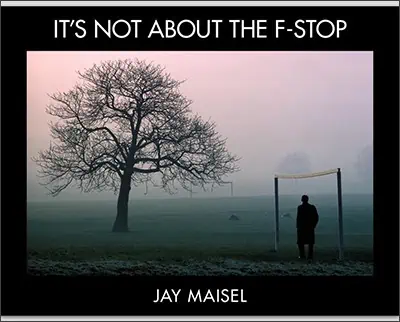
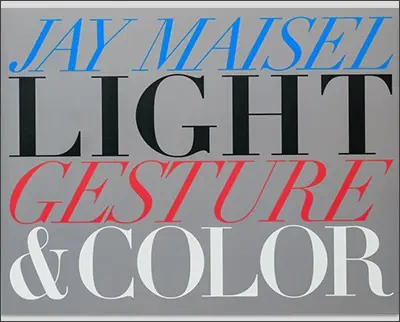
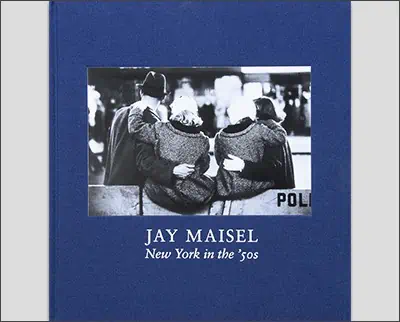
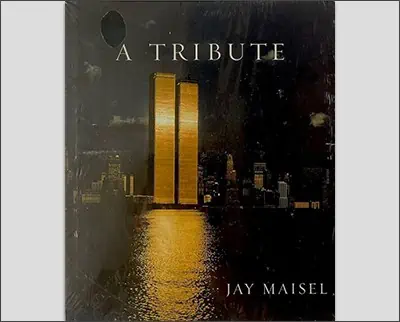
Links to books are Amazon Affiliate Links, which help to support this website without any additional cost to you.
📸 Did you know?
He loved collecting “junk.” What some might call clutter, Maisel saw as potential treasures. He collected discarded objects, vintage toys, and other oddities, which often found their way into his studio and even served as props in his photographs. This collection fueled his creativity and added a quirky edge to his work.
Biography of Jay Maisel
Early Life and Education
Jay Maisel was born on January 18, 1931, in Brooklyn, New York, and was an esteemed American photographer celebrated for his vibrant and intricate street photography.
Growing up in New York City, Maisel was exposed to a rich tapestry of urban life, full of color, light, and shadow, which significantly influenced his photographic style.
He initially studied painting and graphic design at Manhattan’s Cooper Union for the Advancement of Science and Art and then at Yale University. Though initially focused on painting, Maisel’s interest in photography grew during his time at Yale, where he also studied under renowned graphic designer and art director Herbert Matter.
Transition to Photography
After completing his education, Maisel served in the Army and, in the early 1950s, began his career, embarking on a path that would make him one of the most influential photographers of his time.
His early work included commercial and advertising photography, where he developed a knack for capturing striking images with a strong visual impact.
Photographic Style and Approach
Maisel’s approach to photography was distinguished by his extraordinary use of color, light, and gesture. His street photography, often set in his beloved New York City, is characterized by an ability to find beauty in the mundane and to capture the essence of a moment with empathy and humor.
Maisel’s work blends spontaneity and careful composition, revealing the extraordinary within the ordinary.
Notable Work and Recognition
Over the decades, Maisel’s work has graced the pages and covers of many major magazines, including “Sports Illustrated,” “New York Magazine,” and “Esquire.” His advertising and commercial work are equally celebrated, marked by a distinctive style that combines realism and artistic flair.
In addition to his editorial and commercial successes, Maisel is renowned for his personal projects, which showcase his deep love for New York City. His urban landscapes and candid street scenes are lauded for their vivid colors and intricate detail.
Teaching and Mentorship
Alongside his photographic career, Maisel was also a respected teacher and mentor. He conducted numerous workshops and lectures, sharing his knowledge and passion for photography.
His teaching style emphasized the importance of being open to the unexpected and of constantly observing and exploring one’s surroundings.
Legacy and Contributions
Maisel’s contributions to photography extend beyond his images. He was known for his philosophy that emphasizes the ‘visual push-up,’ a practice of constantly honing one’s visual awareness and sensitivity. This philosophy has influenced countless photographers and has been a cornerstone of his teaching.
Personal Life and the Iconic 190 Bowery Studio
Maisel lived and worked for nearly 50 years in the iconic 190 Bowery building in New York, a former Germania Bank building he purchased in 1966. The building became a symbol of his commitment to art and photography, serving as a studio, gallery, and home.
In 2015, Maisel sold the building, a decision that marked the end of an era in his life and the history of New York City’s art scene.
Later Career and Ongoing Work
Jay Maisel remained an active and influential figure in photography until his death in 2026. He remained dedicated to his art, exploring new subjects and continuing to capture the ever-changing face of New York City and beyond.
Impact and Recognition
Jay Maisel’s career is a testament to the power of seeing and capturing the world through a lens. His work, marked by a unique use of color and a profound understanding of light and composition, made a lasting impact on the field of photography.
His approach, blending the immediacy of street photography with the eye of a fine artist, continues to inspire and educate new generations of photographers.