
Margaret Bourke-White [1904 – 1971] was a pioneering American photographer and documentary photographer known for her fearless and groundbreaking work in photojournalism.
Born in New York City, she studied at several universities before pursuing a photography career.
Bourke-White was the first female photojournalist for Life magazine and produced its first cover photograph. Her work spanned a wide range of subjects, from industrial photography to wartime coverage.
She was the first Western photographer allowed to document Soviet industry and the first female war correspondent accredited to the U.S. Army during World War II.
Her iconic images of the Great Depression, World War II, and the India-Pakistan partition remain powerful testaments to her skill and courage.
Bourke-White’s legacy is one of trailblazing contributions to both journalism and photography.
Read the full Biography below.
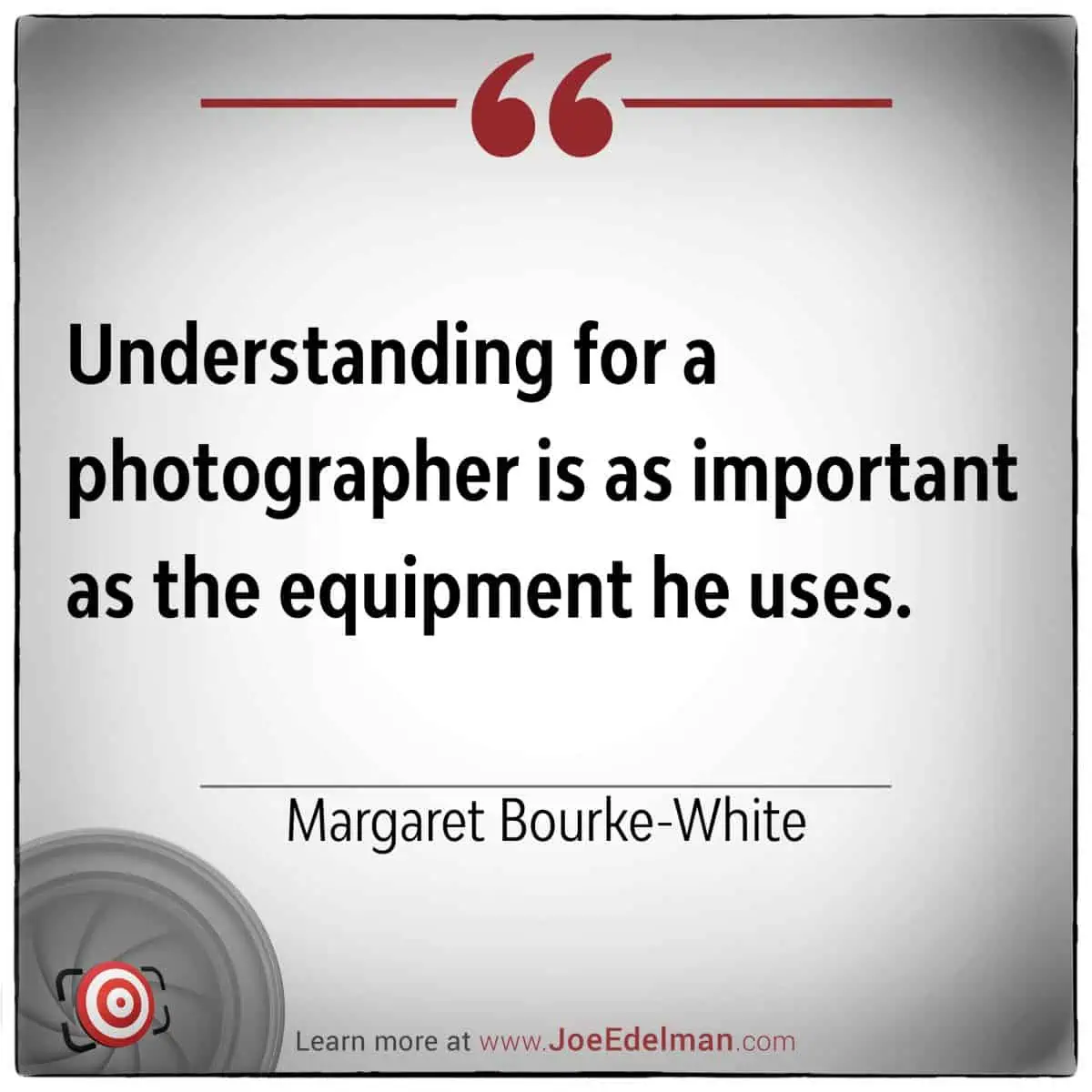
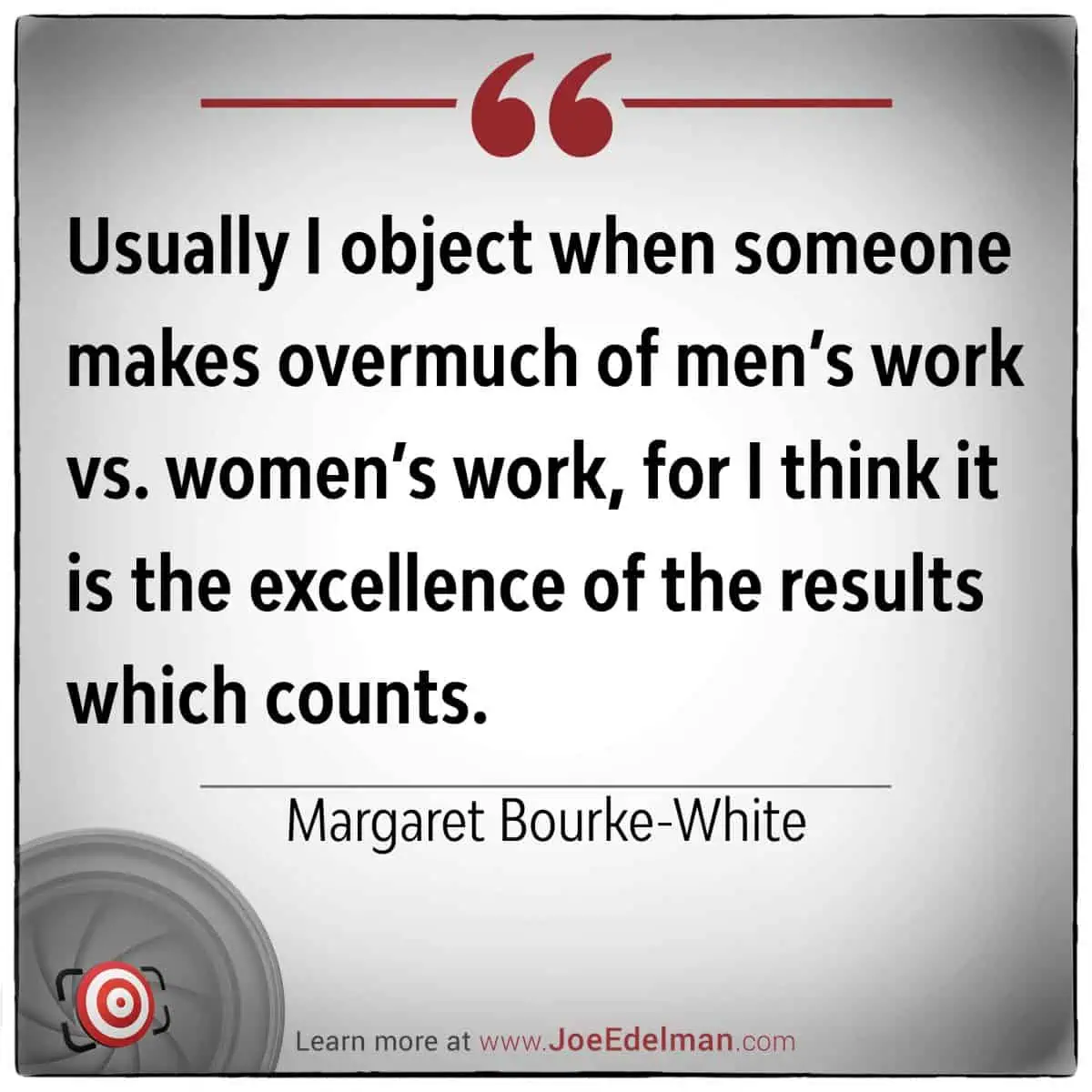
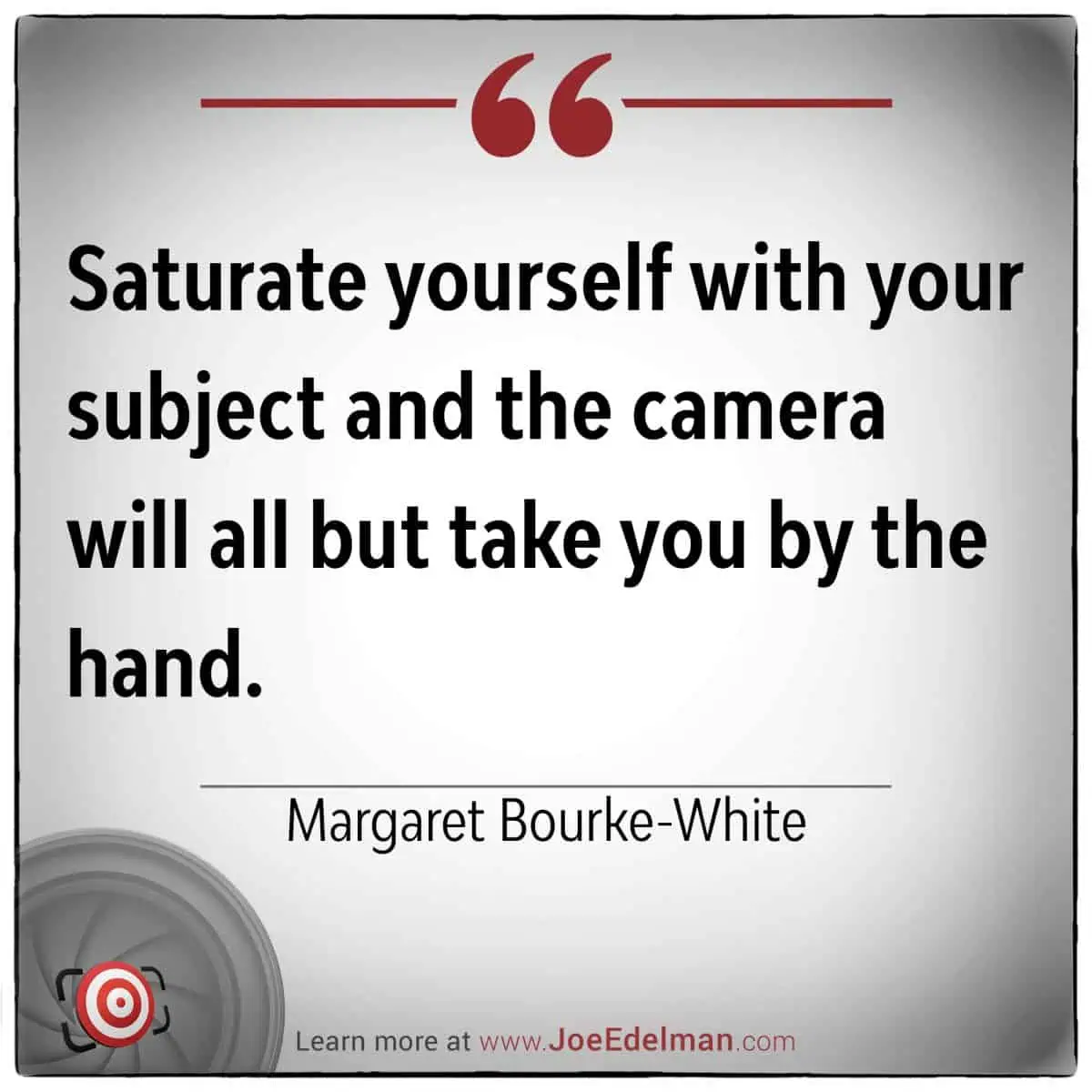
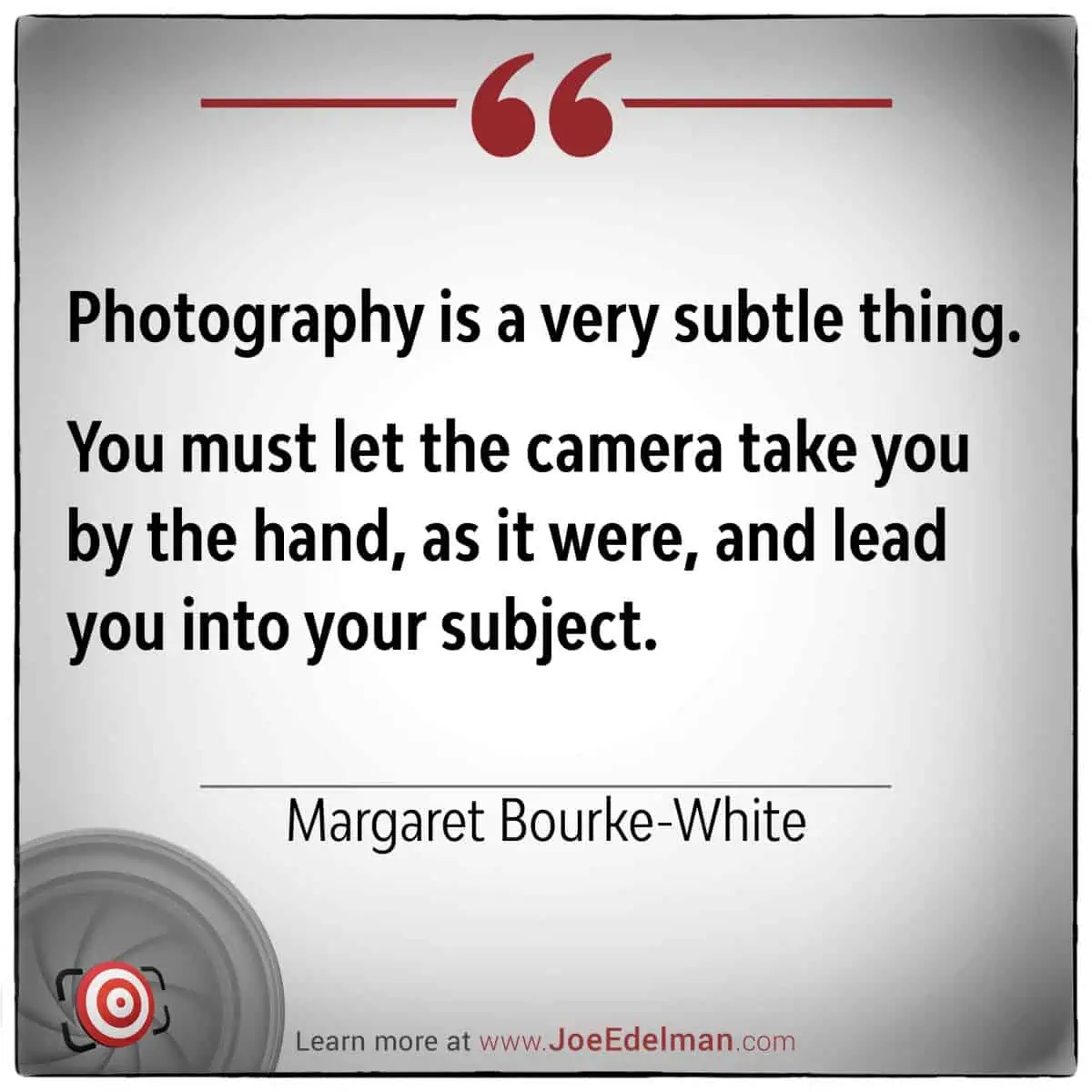
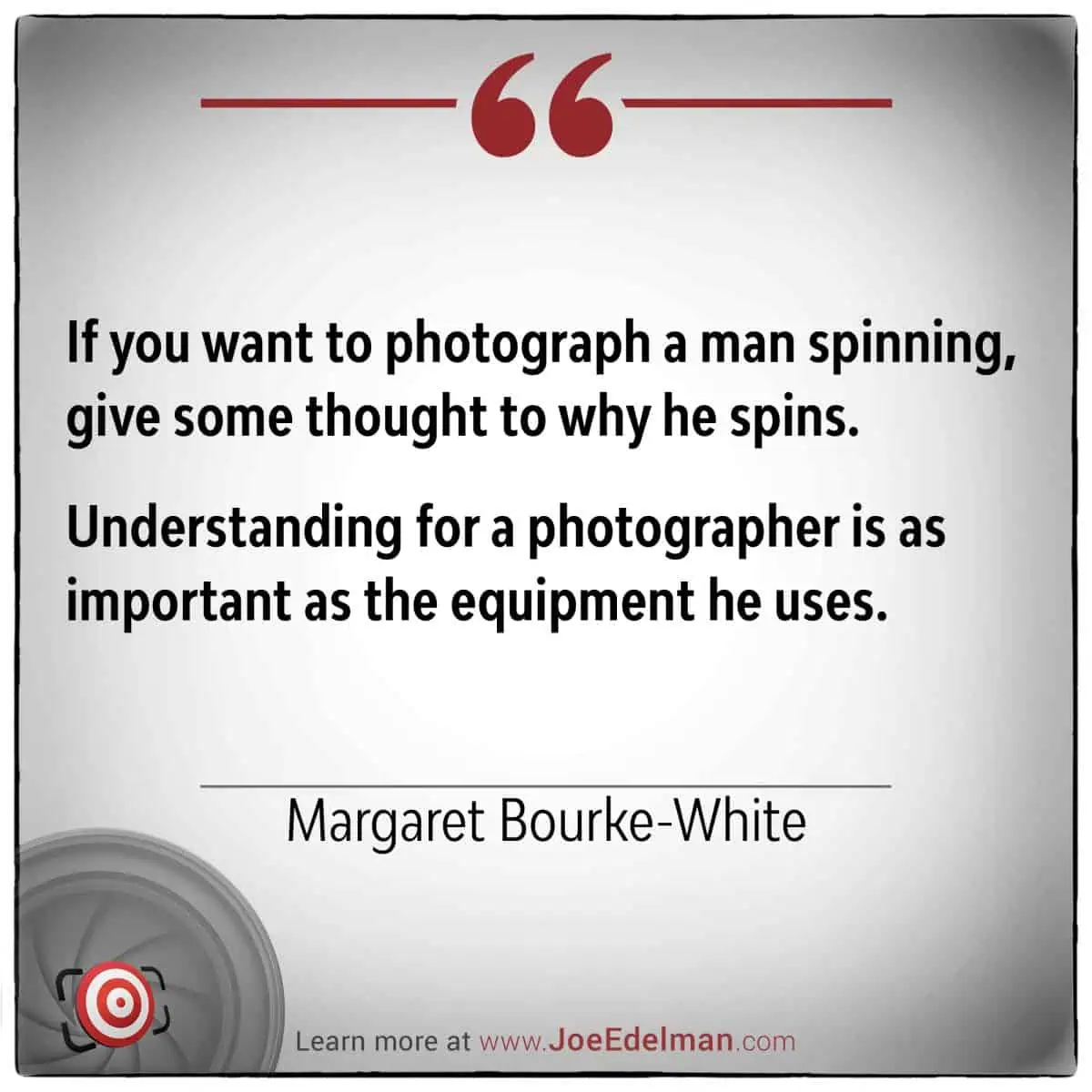
Photography Quotes From Margaret Bourke-White

📸 Did you know?
Margaret Bourke-White was the first female war correspondent and the first woman allowed to work in combat zones during World War II. Her daring spirit took her to the front lines, where she captured some of the most iconic images of the conflict.
Videos about Margaret Bourke-White
📸 Did you know?
Bourke-White was the first woman to fly on a combat mission during World War II, accompanying the U.S. Army Air Forces on bombing runs over North Africa. Her fearless approach to photojournalism set new standards and broke gender barriers in the field.
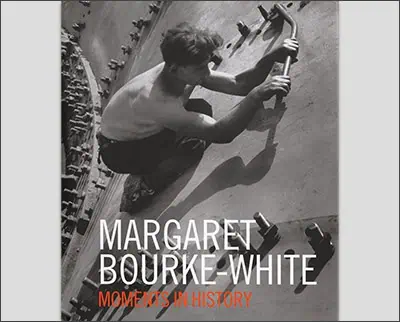
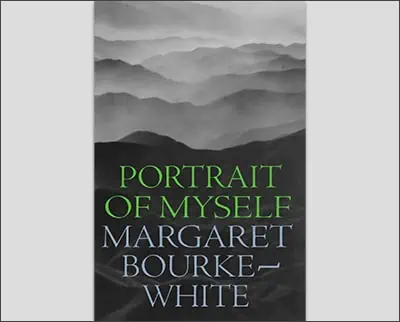
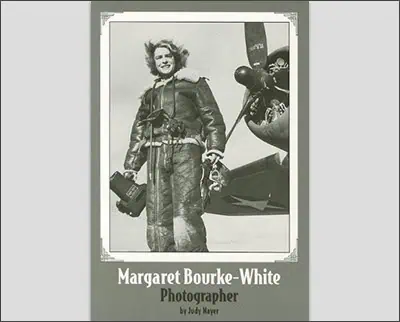
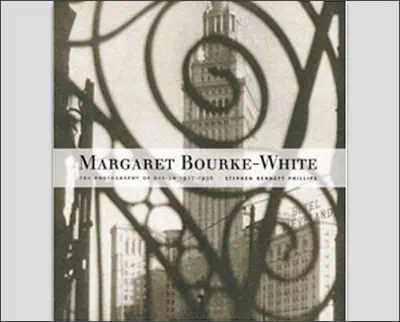
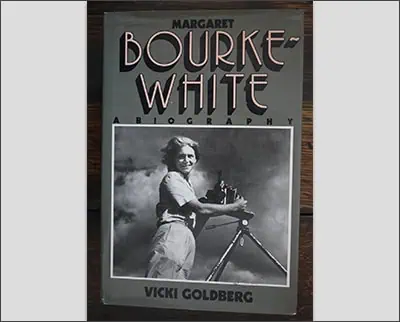
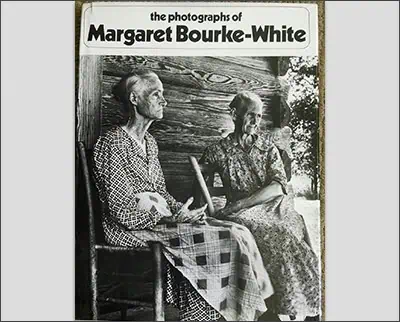
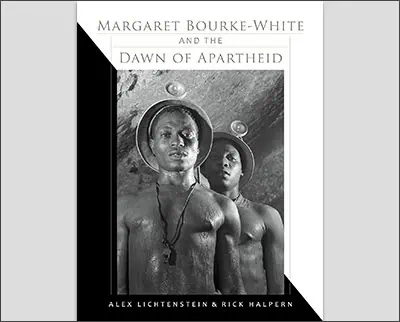
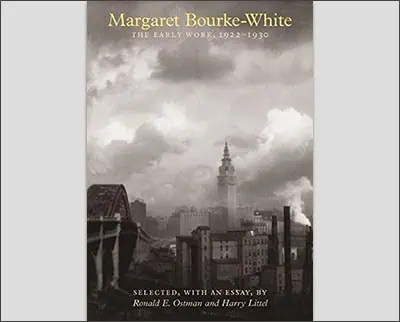
Photography Books: Margaret Bourke-White
📸 Did you know?
She was one of the original staff photographers for Life magazine and shot the cover for its first issue in 1936. Her photograph of the Fort Peck Dam in Montana not only graced the cover but also helped establish Life’s reputation for photojournalism.
Biography of Margaret Bourke-White
Early Life and Introduction to Photography
Margaret Bourke-White was born on June 14, 1904, in the Bronx, New York City, to Joseph White, an engineer, and Minnie Bourke, a resourceful homemaker.
Her father’s fascination with machinery and her mother’s artistic leanings influenced Bourke-White from an early age, instilling a unique blend of technical skill and creative vision.
Growing up, she moved with her family to Bound Brook, New Jersey, where she graduated from Plainfield High School.
Bourke-White’s interest in photography began during her college years. She attended multiple institutions, including Columbia University, where she studied under Clarence H. White, a respected photographer and educator.
This experience solidified her passion for photography, leading her to pursue it as a career.
Early Career and Breakthrough
In 1927, Bourke-White moved to Cleveland, Ohio, and opened her first photographic studio, focusing initially on architectural and industrial photography.
Her early work captured the grandeur and intricacies of industrial structures, reflecting her fascination with machinery and modernity.
Her breakthrough came with a series of photographs of the Otis Steel Company, which showcased her ability to infuse industrial subjects with artistic grandeur.
Her striking images of the steel industry caught the attention of Henry Luce, the founder of Fortune magazine.
In 1929, Bourke-White became the first staff photographer for Fortune, embarking on a career that would take her to the forefront of photojournalism.
Her work for Fortune included documenting the rise of American industry during the Great Depression, capturing both the power and the plight of industrial America.
Life Magazine and Landmark Achievements
In 1936, Bourke-White became one of the original staff photographers for Life magazine, a groundbreaking publication that combined journalism and photography in a new and influential format.
Her photograph of the Fort Peck Dam, Montana, was featured on the cover of the first issue of Life, making it an iconic image and establishing her as a leading photojournalist.
Throughout her career at Life, Bourke-White covered a wide range of subjects, from industrial landscapes to human interest stories.
Her ability to combine technical precision with a strong narrative sense made her work stand out. She was particularly known for her fearless approach, often going to great lengths to get the perfect shot.
World War II and Beyond
Bourke-White’s career reached new heights during World War II. As one of the first female war correspondents, she was accredited by the U.S. Army Air Force.
She covered the war extensively, from the North African campaign to the Italian front, and was present at the liberation of the Buchenwald concentration camp.
Her haunting photographs of the camp’s survivors and the atrocities committed there brought the horrors of the Holocaust to public attention.
Bourke-White’s post-war work continued to break new ground. She traveled to India to document the struggle for independence and captured iconic images of Mahatma Gandhi. Her photograph of Gandhi at his spinning wheel became one of the most famous images of the 20th century.
She also documented the partition of India and Pakistan, capturing the human suffering and upheaval caused by this historic event.
Personal Life and Challenges
Bourke-White’s personal life was as adventurous as her professional one.
She married twice, first to Everett Chapman, which ended in divorce, and later to author Erskine Caldwell, with whom she collaborated on several projects, including the book You Have Seen Their Faces (1937), which documented the effects of the Great Depression on the American South.
In the late 1940s, Bourke-White was diagnosed with Parkinson’s disease, a progressive neurological disorder that ultimately curtailed her ability to work. Despite this challenge, she remained active in her profession for as long as possible, demonstrating remarkable resilience and dedication.
Legacy and Impact
Margaret Bourke-White’s contributions to photography and journalism are immense. She was a trailblazer for women in the field of photojournalism, breaking barriers and setting new standards for visual storytelling.
Her work is characterized by a combination of technical excellence, artistic vision, and a deep commitment to documenting the human condition.
Bourke-White’s photographs have been exhibited widely and are held in major collections, including the Museum of Modern Art in New York and the Library of Congress. Her legacy lives on through her influential body of work and the impact she had on the development of photojournalism.
Later Years and Death
In her later years, Bourke-White continued to write and lecture about her experiences and the power of photography.
She published her autobiography, Portrait of Myself, in 1963, providing insights into her life and career. Despite the challenges posed by Parkinson’s disease, she remained engaged with the world around her.
Margaret Bourke-White passed away in Stamford, Connecticut on August 27, 1971. She left behind a remarkable legacy that continues to inspire photographers and journalists.
Her fearless pursuit of truth, coupled with her technical and artistic prowess, has cemented her place as one of the most significant photographers of the 20th century.
Conclusion
Margaret Bourke-White’s career is a testament to the transformative power of photography. Through her lens, she captured the pivotal moments and profound changes of the 20th century, from the industrial age to the horrors of war and the fight for freedom and justice. Her pioneering spirit, artistic vision, and unwavering commitment to her craft have left an indelible mark on the world of photography and journalism.
Her work continues to inspire and challenge us to see the world with both clarity and compassion.