Philippe Halsman [1906 – 1979] was a Latvian-born American photographer who redefined celebrity portraiture with his innovative “jump” shots.
Fleeing Nazi Europe, he established himself in New York, capturing iconic portraits of Albert Einstein, Marilyn Monroe, and Salvador Dalí.
Though known for his early surrealist compositions, his groundbreaking “jump” series, featuring celebrities mid-air, showcased his playful spirit and ability to capture unguarded moments.
Halsman developed the technique to evoke spontaneity and emotional depth, replacing stiff studio portraits with something dynamic and revealing.
His portraits, infused with humor and psychological insight, transcended mere likeness, offering glimpses into the personalities and emotions of his subjects.
Halsman’s influence continues to inspire photographers to seek creative ways to capture the essence of their subjects, reminding us that a single image can capture more than just a face.
Read the full Biography below.
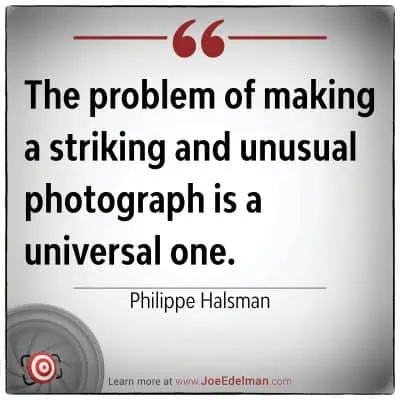
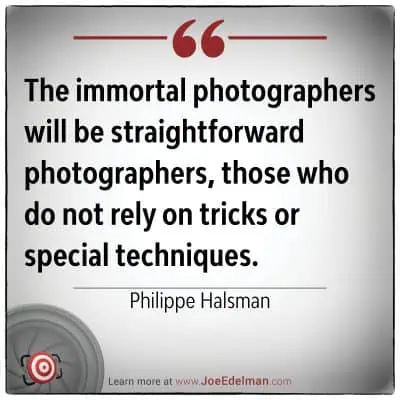
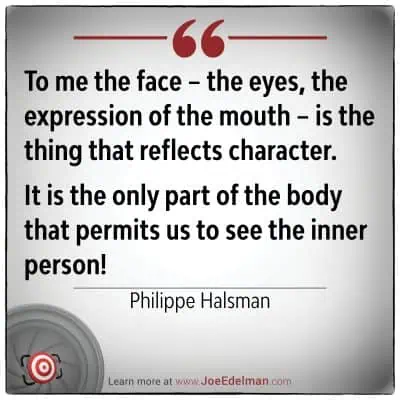
Photography Quotes From Philippe Halsman
📸 Did you know?
He wasn’t always a photographer. During his youth, Halsman aspired to be an orchestra conductor but switched to engineering studies due to his family’s disapproval. A gift of an old camera from his father sparked his passion for photography, ultimately leading him to fame as a photographer.
Videos about Philippe Halsman
📸 Did you know?
He invented the “Psychoanalytic Portrait.” Inspired by psychologist Alfred Adler, Halsman developed the “Psychoanalytic Portrait” technique. He’d ask subjects to respond to open-ended questions and capture their unfiltered reactions, aiming to reveal their hidden personalities through facial expressions and gestures.
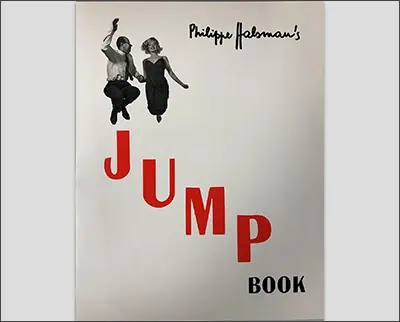
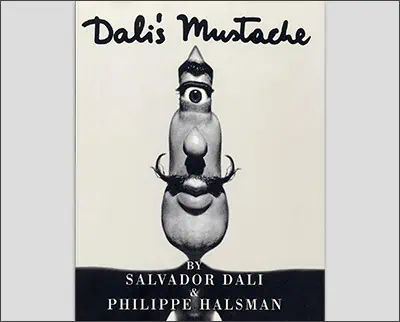
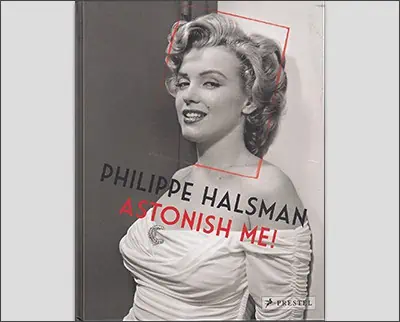
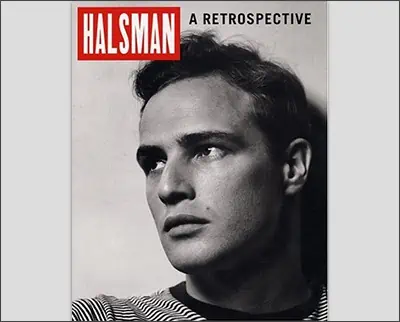
Photography Books: Philippe Halsman
📸 Did you know?
He was a champion of photographers’ rights. Throughout his career, Halsman actively advocated for the rights and recognition of photographers. He played a key role in establishing the American Society of Magazine Photographers and served as its first president, fighting for fair compensation and copyright protection for photographers.
Biography of Philippe Halsman
Early Life and Formative Years
Philippe Halsman was born on May 2, 1906, in Riga, Latvia, which was then part of the Russian Empire. Raised in a Jewish family, he grew up in a culturally vibrant environment that fostered his early interest in the arts.
His father, a dentist, encouraged Halsman’s intellectual development, which later influenced his approach to photography.
Education and Early Challenges
Halsman began studying electrical engineering at the University of Dresden in Germany.
However, his life took a dramatic turn in 1928 when his father was tragically killed during a family hiking trip in Austria. Halsman was accused and convicted of his father’s murder, a charge he always denied and which many believe was motivated by anti-Semitism.
The case drew international attention, with notable figures, including Albert Einstein and Sigmund Freud, petitioning for his release. After serving two years of a four-year sentence, Halsman was released and moved to France.
Photographic Career in Paris
In Paris, Halsman pursued photography, a hobby he had developed since his youth. He quickly established himself as a portrait photographer, capturing the city’s burgeoning arts and culture scene.
His subjects included writers, artists, and entertainers, and his work was recognized for its clarity and depth.
Innovative Techniques and Portraiture
Halsman’s photographic style was characterized by its inventiveness and technical proficiency. He experimented with lighting and perspective to create striking, often surreal portraits.
His work is noted for its ability to capture the personality and essence of his subjects.
Collaboration with Salvador Dalí
One of Halsman’s most significant collaborations was with the surrealist artist Salvador Dalí. Their creative partnership produced a series of imaginative and often whimsical photographs, combining Halsman’s photographic skill with Dalí’s artistic vision.
The most famous of these collaborations is “Dali Atomicus” (1948), a photograph portraying Dalí in mid-air with suspended objects, including water, cats, and furniture.
Move to the United States and Commercial Success
With the onset of World War II, Halsman fled to the United States. In New York, he quickly established a successful career as a commercial photographer.
He became mainly known for his work in the magazine industry, contributing to publications like “Life,” where he eventually produced 101 covers – more than any other photographer in the magazine’s history.
Celebrity Portraits and Jumpology
Halsman’s portfolio from his American period includes iconic portraits of figures such as Marilyn Monroe, Albert Einstein, Alfred Hitchcock, and Audrey Hepburn.
He developed a fascination with photographing subjects as they jumped, a practice he called ‘jumpology.’ He believed that when people jumped, they revealed more of their genuine selves, leading to more authentic and dynamic portraits.
Photographic Philosophy and Books
Halsman’s philosophy of photography was centered around the belief that a photograph could reveal its subject’s innermost thoughts and feelings. His approach combined a deep understanding of human psychology with technical expertise.
He published several books throughout his career, including “Dali’s Mustache” (1954), a collaboration with Dalí, and “Jump Book” (1959), which featured a collection of his jumpology photographs.
Awards and Recognition
Throughout his career, Halsman received numerous accolades for his contributions to photography. He was recognized by his peers and the art community for his creativity, technical skill, and unique approach to portrait photography.
Later Years and Legacy
Halsman continued to work until his later years, constantly exploring new ideas and techniques in photography. He passed away on June 25, 1979, in New York City.
Philippe Halsman’s legacy as a photographer is marked by his innovative spirit, technical brilliance, and ability to capture the essence of his subjects.
His work remains influential and continues to be celebrated in the realms of art and commercial photography. Halsman’s photographs are not only a testament to his skill as a photographer but also to his belief in the power of the image to reveal the human spirit.