Robert Capa [1913-1954] was a Hungarian-American war photographer and photojournalist widely regarded as one of the most influential photographers of the 20th century.
Born Endre Friedmann in Budapest, Hungary, he adopted the name Robert Capa to appear more marketable in the international photography scene. Capa’s work is renowned for its raw, emotional depiction of war, covering five major conflicts, including the Spanish Civil War, World War II, and the First Indochina War.
His iconic images, such as “The Falling Soldier” and the D-Day landings at Omaha Beach, have become symbols of courage and human resilience. In 1947, Capa co-founded Magnum Photos, a cooperative agency that transformed photojournalism.
Tragically, he died in 1954 after stepping on a landmine in Vietnam, leaving behind a legacy of powerful and evocative storytelling.
Read the full Biography below.
Photography Quotes From Robert Capa
📸 Did you know?
Robert Capa’s real name was Endre Friedmann, and he adopted his pseudonym to create the impression of being a successful American photographer. The name helped him and his partner Gerda Taro secure better-paying assignments early in his career.
Videos about Robert Capa
📸 Did you know?
Capa had a close friendship with Ernest Hemingway, and he documented the Spanish Civil War while Hemingway was reporting on it. Their camaraderie and shared experiences in conflict zones inspired both their works.
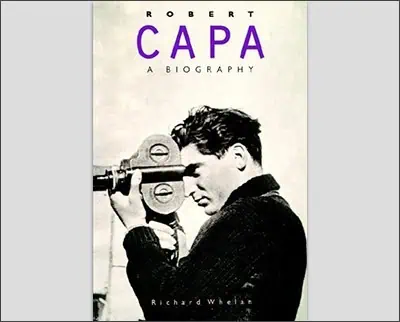
Photography Books: Robert Capa
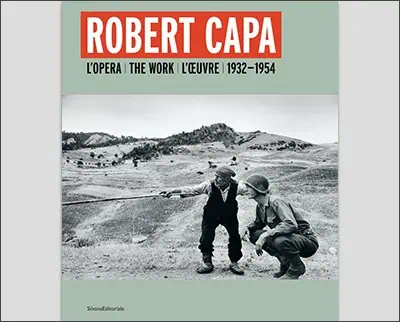
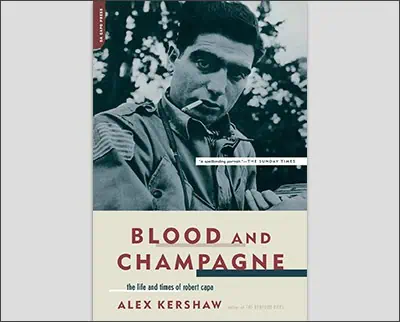
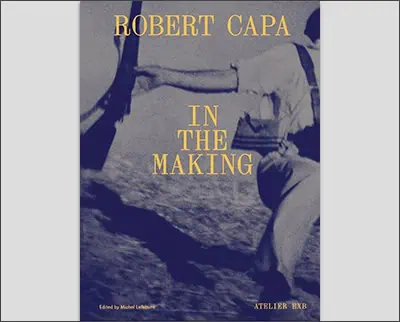
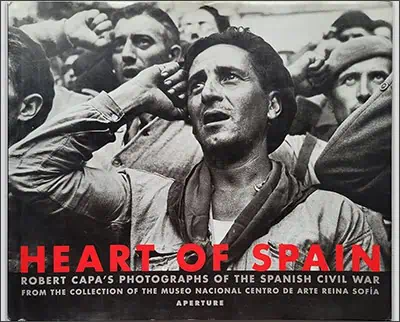
📸 Did you know?
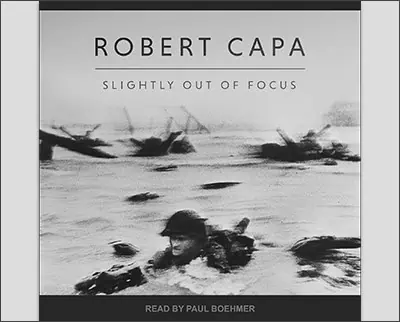
Capa was one of the only photographers to land on Omaha Beach with American troops during D-Day in World War II. Although most of his film was accidentally destroyed during development, the surviving images became some of the most iconic war photographs ever taken.
Biography of Robert Capa
Early Life and Introduction to Photography
Robert Capa, born Endre Ernő Friedmann on October 22, 1913, in Budapest, Hungary, was the son of middle-class Jewish parents.
Growing up in a politically turbulent Europe, Capa became acutely aware of the inequalities and struggles faced by people under oppressive regimes.
His early aspirations were to become a writer, but his passion for storytelling eventually found its expression through photography.
In 1931, Capa fled Hungary to escape political persecution and moved to Berlin to study journalism. In Berlin, he was introduced to photography while working as a darkroom assistant. This experience sparked his interest in the medium, and he began taking photographs with a borrowed camera.
With the rise of the Nazi regime, Capa moved to Paris in 1933, joining the growing community of exiled artists and intellectuals.
The Birth of Robert Capa
Capa met fellow photographer Gerda Taro in Paris, who became his romantic partner and collaborator.
Together, they devised a marketing strategy to increase the appeal of Friedmann’s work by creating the persona of “Robert Capa,” an American-sounding name that suggested a successful, established photographer. The rebranding worked, and his images began to garner attention in European and American publications.
Capa’s early assignments included covering political unrest and social struggles across Europe. His photographs from the Spanish Civil War (1936–1939) brought him international recognition.
Working alongside Taro, Capa documented the lives of soldiers and civilians affected by the conflict, capturing the human cost of war with a raw, unflinching perspective.
The Falling Soldier and the Ethics of War Photography
One of Capa’s most iconic and controversial images, The Falling Soldier (1936), depicts a Spanish Republican soldier at the moment of death. The photograph became a symbol of the Spanish Civil War and the dangers faced by those fighting against fascism.
However, its authenticity has been debated for decades, with questions arising about whether the image was staged.
Regardless of the controversy, the photograph cemented Capa’s reputation as a war photographer willing to put himself in harm’s way to capture the truth of conflict.
World War II and Magnum Photos
During World War II, Capa became one of the most prominent photojournalists documenting the global conflict. He worked for Life magazine and other publications, covering major campaigns in North Africa, Italy, and France.
Capa’s most famous work from this period came during the D-Day invasion of Normandy on June 6, 1944. Embedded with the first wave of Allied troops, he captured the chaos and heroism of the landing on Omaha Beach.
Unfortunately, most of Capa’s D-Day negatives were accidentally destroyed during processing, leaving only 11 surviving images.
These hauntingly blurred and grainy photographs became some of the most iconic representations of the war, encapsulating the terror and bravery of the moment.
In 1947, Capa co-founded Magnum Photos with Henri Cartier-Bresson, David Seymour (Chim), George Rodger, and William Vandivert. Magnum was the first cooperative agency owned by its photographers, providing them with greater control over their work and the ability to pursue long-term projects.
This marked a significant milestone in photojournalism, enabling photographers to maintain artistic and ethical integrity in their reporting.
Post-War Work and Personal Life
After World War II, Capa continued to cover global conflicts, including the early stages of the First Indochina War (1954) and the founding of Israel in 1948.
His work expanded to include more personal and humanistic subjects, such as travel photography and portraits of notable figures.
Capa’s personal life was marked by tragedy and loss. Gerda Taro was killed during the Spanish Civil War in 1937, an event that deeply affected him.
He never married, though he had close relationships with several women, including actress Ingrid Bergman. Despite his personal hardships, Capa remained dedicated to his work, driven by a belief in the power of photography to reveal the truth of human experience.
Death in Indochina
On May 25, 1954, while covering the First Indochina War for Life magazine, Robert Capa stepped on a landmine near the village of Thai Binh, Vietnam. He was killed instantly.
At the time of his death, Capa was 40 years old. His untimely passing marked the end of a remarkable career, but his legacy as one of the greatest war photographers endures.
Legacy and Impact
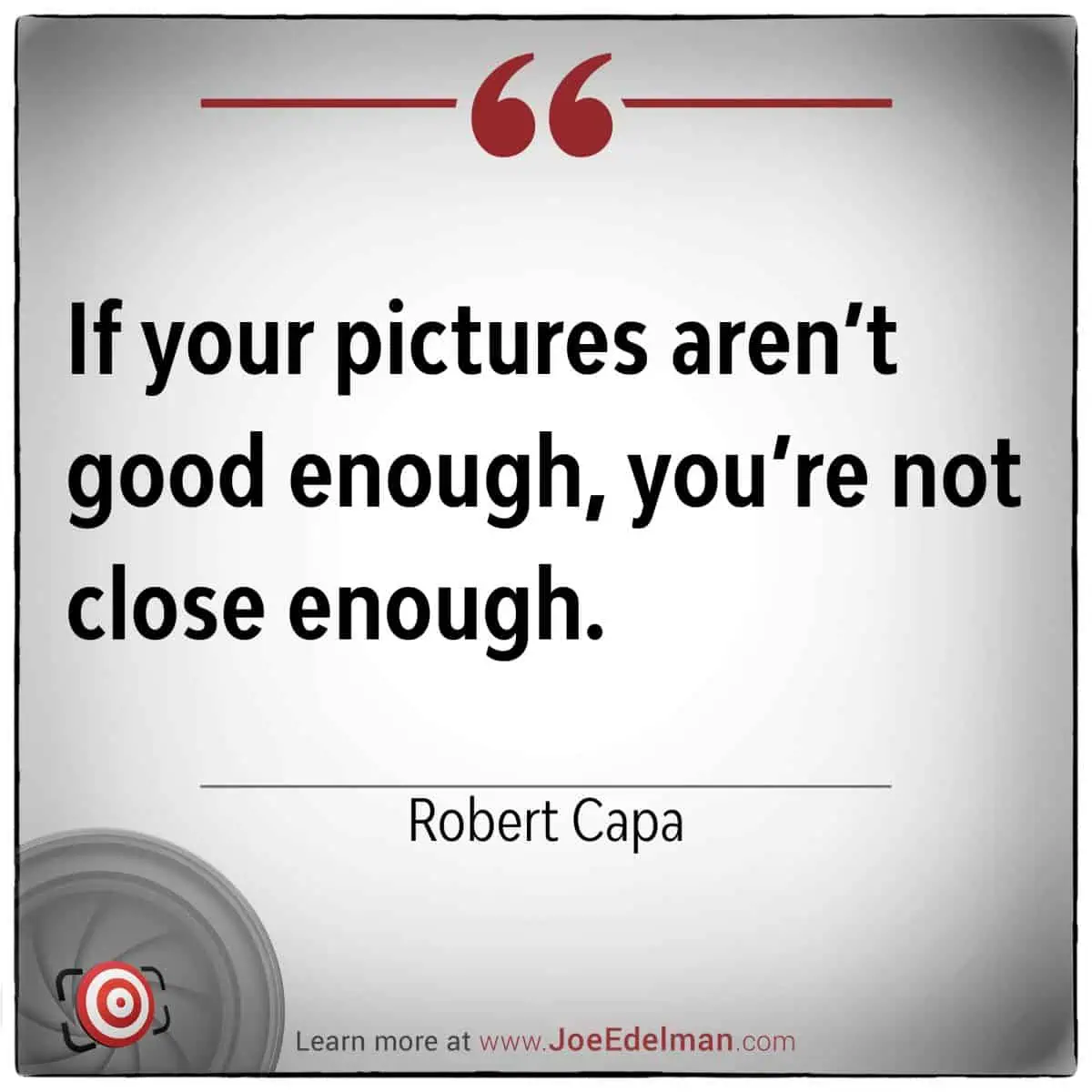
Robert Capa’s contributions to photojournalism are unparalleled. Known for his mantra, “If your pictures aren’t good enough, you’re not close enough,” Capa pushed the boundaries of war photography, capturing the raw emotions and realities of conflict with unparalleled immediacy.
His courage and commitment to documenting the human cost of war set a standard for generations of photographers who followed in his footsteps.
Capa’s work continues to be celebrated in exhibitions and publications around the world.
His photographs are part of major collections, including those at the International Center of Photography in New York, which houses the Robert Capa and Cornell Capa archives. The center, founded by Capa’s brother Cornell, preserves his legacy and promotes the role of photojournalism in fostering social awareness.
Books and Publications
Capa’s body of work has been published in numerous books, including Slightly Out of Focus (1947), his autobiographical account of his experiences during World War II.
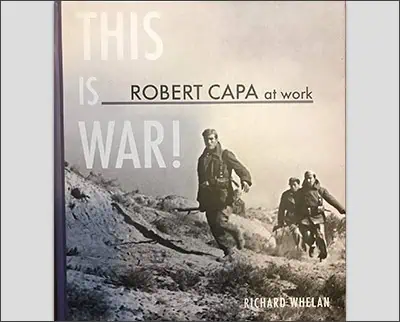
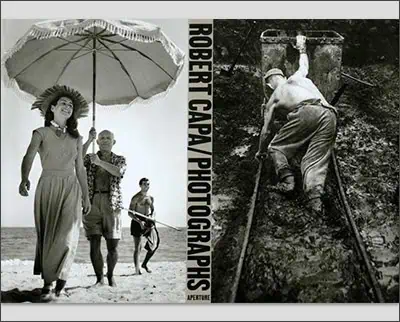
Other notable collections include Robert Capa: Photographs (1985) and This Is War! (2007), which compile some of his most famous images alongside lesser-known works.
Conclusion
Robert Capa’s career is a testament to the power of photography to document history and evoke empathy.
Through his fearless approach to photojournalism, he captured some of the most significant and harrowing moments of the 20th century, leaving behind a legacy that continues to inspire photographers and audiences alike.
His images remain timeless, serving as a reminder of the resilience of the human spirit in the face of adversity.