

Steve McCurry [1950 – Present] is an acclaimed American photographer known for his powerful and evocative color photographs, particularly of conflict zones and diverse cultures around the world.
Born in Philadelphia, Pennsylvania, McCurry studied cinematography at Pennsylvania State University before embarking on a career in photography.
He gained international recognition with his iconic image “Afghan Girl,” which appeared on the cover of National Geographic in 1985. McCurry’s work often focuses on the human consequences of war, capturing poignant and intimate moments amid chaos.
His assignments have taken him to conflict areas such as Afghanistan, Iraq, and Lebanon and to more serene settings in India and Southeast Asia.
McCurry’s photographs are characterized by their vibrant colors, strong compositions, and profound emotional impact, earning him numerous awards and a lasting legacy in photojournalism.
Read the full Biography below.
Photography Quotes From Steve McCurry

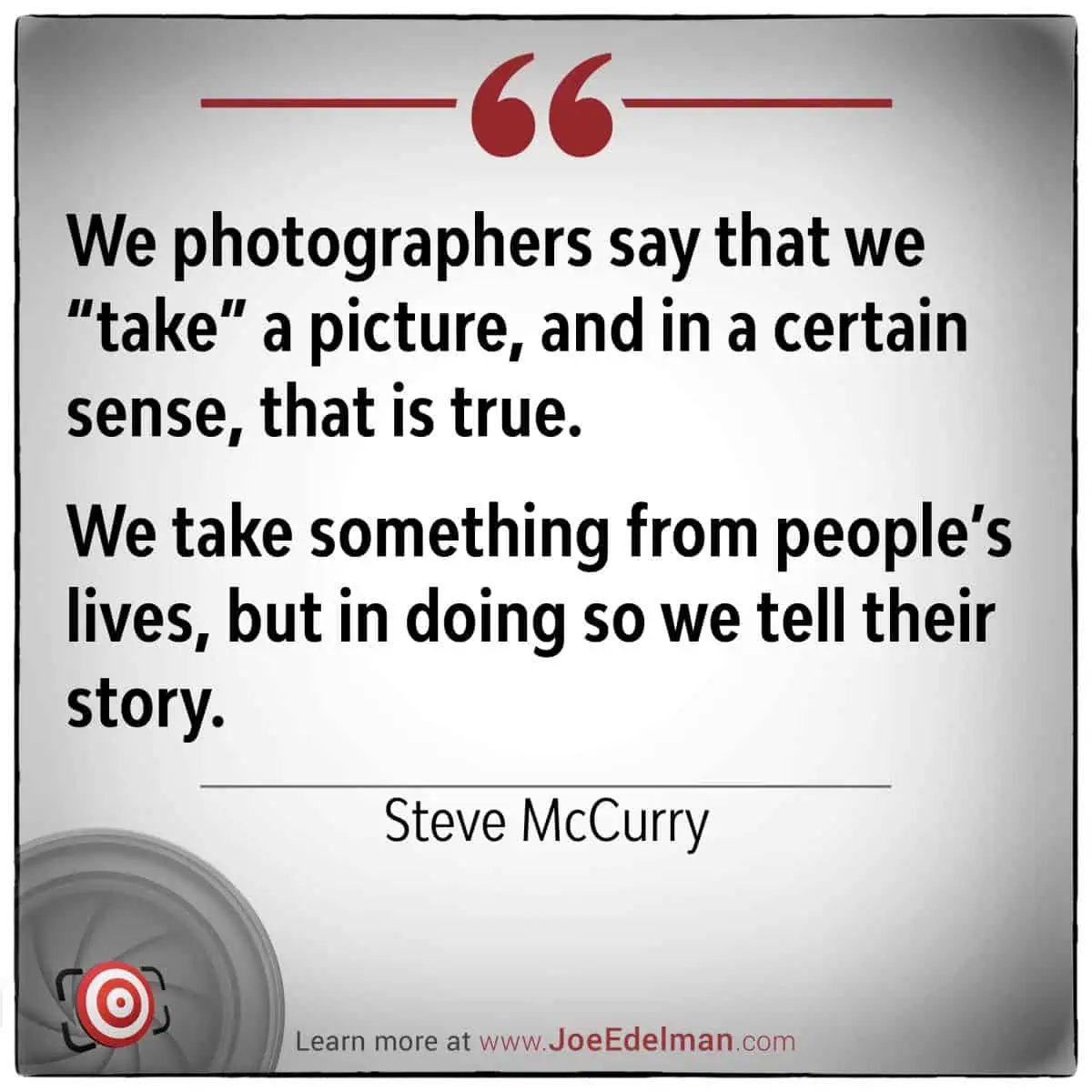

Be sure to check out my Photography Quote of the Day on Facebook, Twitter (X), Threads, LinkedIn, Pinterest and BlueSky.
📸 Did you know?
Steve McCurry smuggled his first rolls of film out of Afghanistan by sewing them into his clothes. These images, captured just before the Soviet invasion in 1979, were among the first to document the conflict and brought him international acclaim.
Videos about Steve McCurry
📸 Did you know?
McCurry has covered numerous conflicts, including the Iran-Iraq War, the Gulf War, and the civil wars in Cambodia, the Philippines, and the former Yugoslavia. Despite the danger, he believes in documenting these events to show the world their human impact.
Photography Books: Steve McCurry
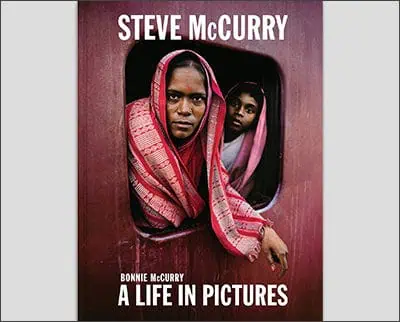
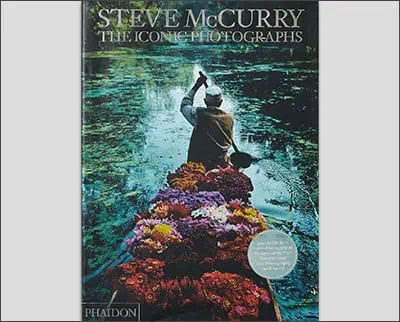
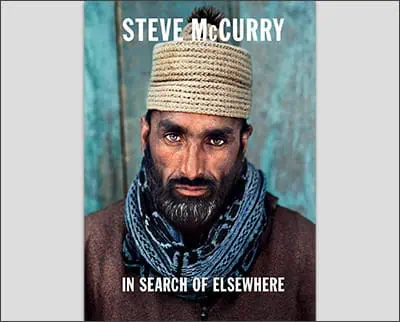
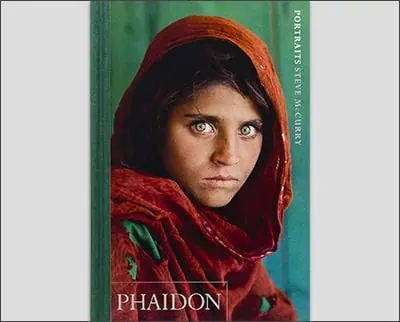
Links to books are Amazon Affiliate Links, which help to support this website without any additional cost to you.
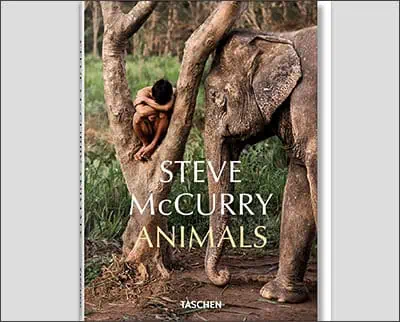
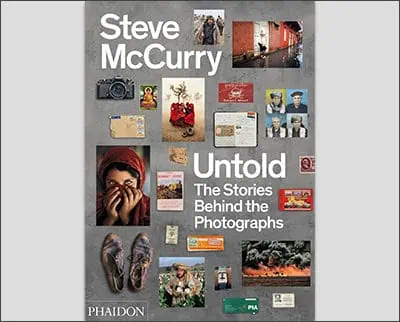
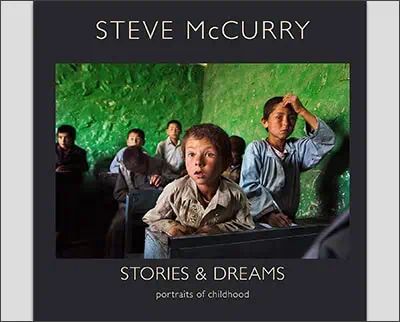
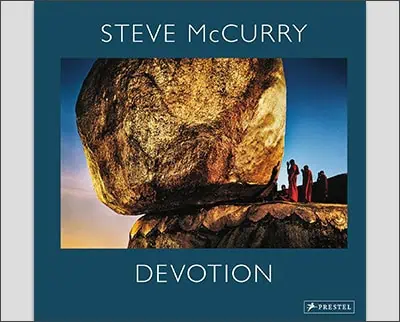
📸 Did you know?
In addition to his conflict photography, McCurry has a deep appreciation for capturing everyday moments and cultural traditions. His work spans over 100 countries, highlighting the diversity and beauty of human life around the globe.
Biography of Steve McCurry
Early Life and Introduction to Photography
Steve McCurry was born in Philadelphia, Pennsylvania on April 23, 1950.
Raised in a suburban family, McCurry showed an early interest in the arts, particularly painting and film.
His fascination with visual storytelling would later become a hallmark of his career.
After graduating from high school, McCurry attended Pennsylvania State University, where he studied cinematography and filmmaking.
During his time at Penn State, he developed a passion for photography, working as a photographer for the university newspaper, which provided him with valuable experience and honed his skills in capturing compelling images.
Early Career and Breakthrough
After graduating in 1974, McCurry worked as a freelance photographer, traveling extensively in search of stories.
His early assignments took him to Europe and Latin America, where he began to develop his distinctive style characterized by vibrant color, strong composition, and a deep sense of humanity.
McCurry’s breakthrough came in 1979 when he traveled to India, a journey that would profoundly influence his career. Immersing himself in the culture and landscape of the country, he captured images that vividly portrayed the life and struggles of its people.
In 1979, McCurry made a daring trip to Afghanistan, then embroiled in conflict following the Soviet invasion.
Disguised in native garb, he crossed the border from Pakistan and spent several weeks documenting the lives of Afghan resistance fighters.
The resulting photographs, smuggled out of the country sewn into his clothing, were among the first to show the world the human toll of the conflict.
These images, published in Time magazine, earned McCurry the prestigious Robert Capa Gold Medal for Best Photographic Reporting from Abroad, an award given to photographers who exhibit exceptional courage and enterprise.
National Geographic and Iconic Images
Steve McCurry’s association with National Geographic began in the early 1980s, and his work quickly became synonymous with the magazine’s visual storytelling.
One of his most famous images, “Afghan Girl,” was taken in 1984 at a refugee camp in Pakistan.
The photograph of Sharbat Gula, a young Afghan girl with piercing green eyes, became an iconic image of the Afghan conflict and one of the most recognizable photographs in the world.
The image first appeared on the cover of National Geographic in June 1985 and has since become a symbol of the human cost of war and displacement.
McCurry’s work with National Geographic took him to numerous conflict zones and remote areas around the world, including Iraq, Yemen, Cambodia, the Philippines, and Tibet.
His ability to capture the resilience and dignity of people in the face of adversity has been a defining feature of his career.
His photographs often highlight the beauty and diversity of cultures, bringing attention to issues that might otherwise go unnoticed.
Photographic Style and Techniques
Steve McCurry’s photographic style is marked by its rich, saturated colors, dramatic lighting, and meticulous composition.
He often uses natural light to enhance the mood and atmosphere of his images, creating a sense of immediacy and intimacy.
McCurry’s portraits are particularly notable for their emotional depth and connection with the subject.
He has an extraordinary ability to capture the essence of a person’s character and experience in a single frame.
McCurry’s approach to photography is deeply humanistic. He spends considerable time with his subjects, building trust and understanding before taking their photograph.
This approach allows him to create images that are not only visually striking but also emotionally resonant.
His work is characterized by a profound empathy and respect for the people and cultures he documents.
Major Projects and Publications
Throughout his career, Steve McCurry has published several books that showcase his extensive body of work.
His first book, The Imperial Way (1985), co-authored with Paul Theroux, explores the landscapes and people along the route of the Orient Express.
Other notable publications include South Southeast (2000), Portraits (1999), In the Shadow of Mountains (2007), and Untold: The Stories Behind the Photographs (2013).
Each of these books highlights McCurry’s commitment to storytelling and his ability to capture moments of profound beauty and significance.
McCurry’s exhibitions have been held in major galleries and museums worldwide, including the International Center of Photography in New York, the Museum of Modern Art in Tokyo, and the Victoria and Albert Museum in London.
His work has been recognized with numerous awards, including the World Press Photo Award, the Olivier Rebbot Award, and the Centenary Medal for Lifetime Achievement from the Royal Photographic Society.
Challenges and Controversies
Despite his acclaim, McCurry’s career has not been without controversy.
In 2016, it was revealed that some of his images had been digitally altered, sparking a debate about the ethics of photojournalism and the use of Photoshop in documentary photography.
McCurry responded by stating that he considered himself a visual storyteller rather than a traditional photojournalist and that his priority was always to convey a compelling narrative.
The controversy highlighted the evolving nature of photography in the digital age and the challenges of maintaining authenticity in visual storytelling.
Personal Life and Influence
Steve McCurry’s personal life has been marked by his relentless pursuit of stories and his dedication to his craft.
He has traveled to some of the most dangerous and remote regions of the world, often at great personal risk, to document the lives of people affected by conflict, poverty, and displacement.
His work has raised awareness of humanitarian issues and inspired countless photographers to pursue their own stories with the same passion and commitment.
McCurry’s influence extends beyond his photographs; he has mentored and inspired a generation of photographers who have followed in his footsteps.
His commitment to visual storytelling and his ability to capture the human spirit have made him one of the most respected and influential photographers of his time.
Legacy and Impact
Steve McCurry’s legacy lies in his extraordinary body of work that spans over four decades.
His photographs have brought attention to critical global issues and highlighted the resilience and dignity of people from diverse cultures.
McCurry’s images have become part of the collective consciousness, reminding us of the power of photography to inspire change and foster understanding.
Current Work and Future Projects
Steve McCurry continues to be active in photography, working on new projects and exhibitions.
He remains dedicated to documenting the human condition and exploring new ways to tell compelling visual stories.
His ongoing work reflects his enduring passion for photography and his commitment to capturing moments of beauty, struggle, and triumph.
Conclusion
Steve McCurry’s career is a testament to the power of photography to connect people and tell important stories.
Through his iconic images and profound storytelling, he has captured the essence of the human experience and brought attention to critical issues around the world.
McCurry’s contributions to photography have left an indelible mark on the field, ensuring that his work will continue to inspire and influence future generations.
His legacy as a visual storyteller and his dedication to capturing the beauty and complexity of the world make him one of the most significant photographers of our time.