
W. Eugene Smith [1918-1978] was an American photojournalist who was celebrated for his powerful and humanistic photo essays.
Born in Wichita, Kansas, Smith began his photography career as a teenager and later worked for publications such as Newsweek and Life magazine.
He is renowned for his evocative and socially conscious work, capturing the brutality of World War II, the plight of mercury poisoning victims in Minamata, Japan, and the everyday struggles and resilience of Pittsburgh residents in his extensive “Pittsburgh Project.”
Smith’s dedication to his subjects and his ability to convey deep emotion and narrative through his images set him apart as a master of the photographic essay.
His work has profoundly influenced documentary photography, leaving an enduring legacy of compassionate and impactful storytelling.
Read the full Biography below.
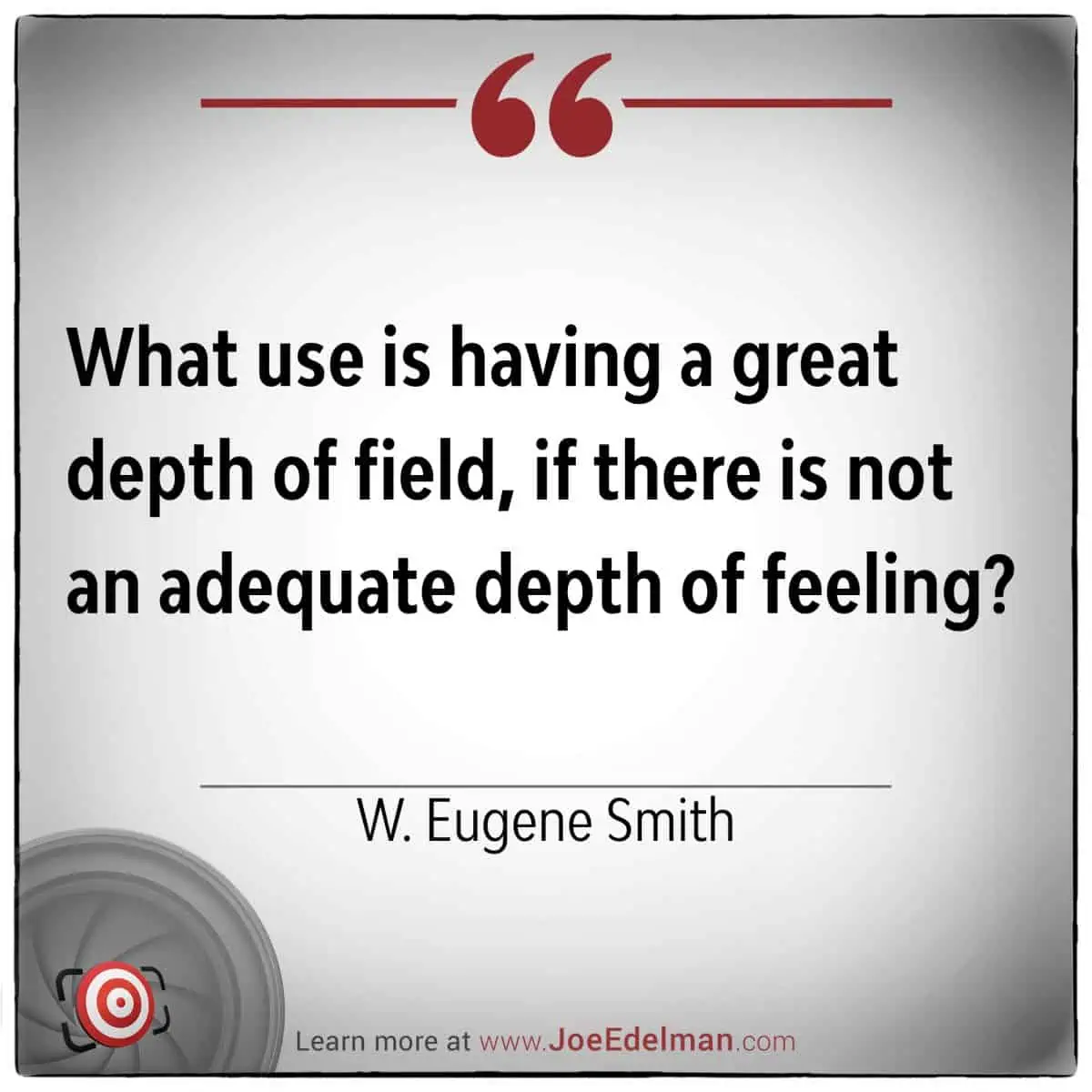
Photography Quotes From W. Eugene Smith


📸 Did you know?
W. Eugene Smith is famous for his photo essays, but he initially worked as a war correspondent during World War II. His gritty and unflinching images from the front lines brought the realities of war to the American public in a way that had never been seen before.
Videos about W. Eugene Smith
📸 Did you know?
One of Smith’s most renowned photo essays, “Country Doctor,” published in Life magazine in 1948, was one of the first to use a narrative approach, following Dr. Ernest Ceriani’s daily life in rural Colorado. This essay set a new standard for photojournalism, blending storytelling with visual impact.
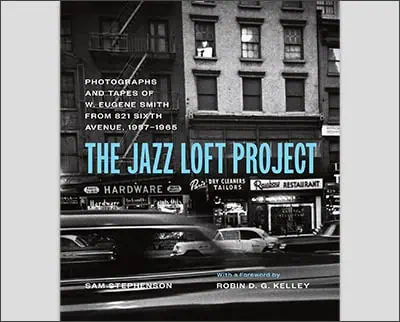
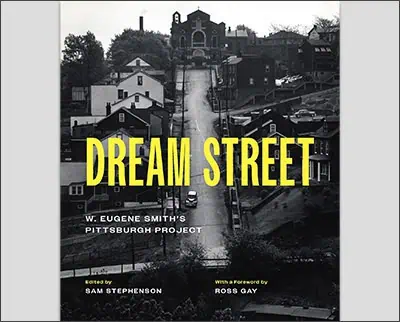
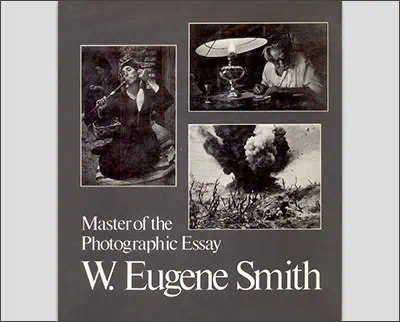
Photography Books: W. Eugene Smith
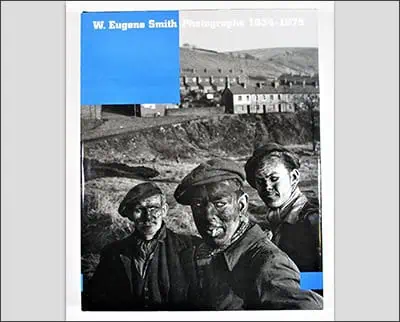
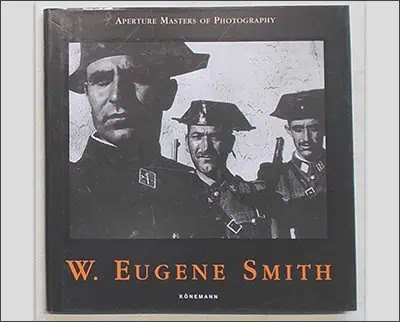
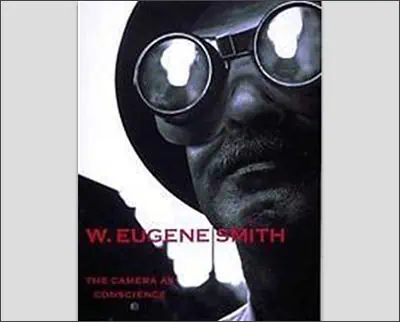
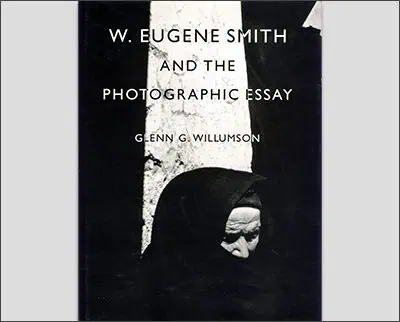

📸 Did you know?
Smith’s dedication to his craft was so intense that he once continued photographing while severely injured. In 1945, he was hit by mortar fire in Okinawa but, after a long recovery, he returned to the field to complete his work.
Biography of W. Eugene Smith
Early Life and Introduction to Photography
William Eugene Smith was born on December 30, 1918, in Wichita, Kansas.
Growing up in the Midwest during the Great Depression, Smith was exposed to the harsh realities of life early on. His mother, Nettie Lee, was a perfectionist who instilled in him a strong sense of discipline, while his father, William H. Smith, a businessman, encouraged his interest in photography.
At the age of 14, Smith began taking pictures with a small camera his mother gave him. His passion for photography quickly grew, and by high school, he was contributing to local newspapers.
Education and Early Career
Smith’s formal education in photography began at the University of Notre Dame, where he received a scholarship to study photojournalism.
However, he left after a year to pursue freelance work. In 1938, he moved to New York City and joined the staff of Newsweek magazine, only to be fired for refusing to use medium format cameras, which he felt were too cumbersome.
This early incident exemplified Smith’s commitment to his artistic vision, a trait that would define his career.
World War II and Magnum Photos
During World War II, Smith became a war correspondent for Life magazine. His coverage of the war in the Pacific, including the Battle of Iwo Jima and the invasions of Saipan and Okinawa, was both harrowing and poignant.
Smith was known for getting close to the action, often putting himself in dangerous situations to capture the perfect shot. In 1945, he was severely wounded by mortar fire, which required extensive surgery and a long recovery period.
This injury deeply affected him, both physically and emotionally, but he continued to work, determined to document the world’s truths.
After the war, Smith joined Magnum Photos, a cooperative founded by fellow photographers Robert Capa, Henri Cartier-Bresson, George Rodger, and David Seymour.
His association with Magnum provided him with a platform to pursue his personal projects with greater freedom.
Major Projects and Photographic Style
Smith’s work is characterized by its profound humanism, meticulous composition, and narrative depth.
One of his most famous series, “Country Doctor” (1948), for Life magazine, documented the life of Dr. Ernest Ceriani, a general practitioner in rural Colorado.
This photo-essay is celebrated for its intimate portrayal of the doctor’s daily challenges and triumphs, setting a new standard for photojournalism.
Smith’s next major project, “Nurse Midwife” (1951), followed the life of Maude Callen, a black nurse-midwife working in the rural South.
This series highlighted the struggles and resilience of women in marginalized communities and brought attention to public health issues, earning widespread acclaim.
His masterpiece, however, is often considered to be the “Pittsburgh” project. Commissioned in 1955 by Popular Photography magazine to document the city’s industrial life, Smith’s project grew into an obsessive, multi-year endeavor that resulted in over 17,000 negatives.
Though not published in his lifetime as a cohesive book, the project showcased Smith’s commitment to long-form storytelling and his ability to capture the complexity of urban life.
Minamata and Advocacy
In the 1970s, Smith embarked on one of his most impactful projects, documenting the effects of mercury poisoning in Minamata, Japan.
His haunting images of the victims, particularly the photograph of Tomoko Uemura in her Bath, brought international attention to the issue and exemplified his dedication to using photography as a tool for social change.
This project was particularly dangerous, as Smith and his wife were attacked by employees of the Chisso Corporation, the company responsible for the pollution, which left him with serious injuries.
Legacy and Influence
W. Eugene Smith’s contributions to photography are immense. His commitment to truth, empathy, and artistic excellence has left a lasting impact on the field.
His work continues to be studied and revered for its narrative power and technical mastery. Smith was a perfectionist who believed in the power of photography to change the world, and his legacy is evident in the countless photojournalists he has inspired.
Smith’s archives, including his extensive body of work, are housed at the Center for Creative Photography at the University of Arizona, ensuring that his contributions to photojournalism continue to be accessible to future generations.
Death and Posthumous Recognition
Smith passed away on October 15, 1978, in Tucson, Arizona, from a stroke. His death marked the end of a remarkable career that spanned several decades and left an indelible mark on the world of photography.
Smith has been honored with numerous awards and exhibitions posthumously, celebrating his relentless pursuit of truth and extraordinary ability to capture the human condition.
Conclusion
W. Eugene Smith’s career is a testament to the power of photojournalism to illuminate the human experience. Through his lens, he brought attention to critical social issues, documented the realities of war, and captured the dignity and resilience of ordinary people.
Smith’s unwavering dedication to his craft and his profound empathy for his subjects have cemented his place as one of the greatest photographers of the 20th century.
His work continues to inspire and challenge photographers to approach their subjects with the same depth of understanding and commitment to truth.